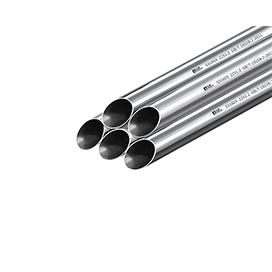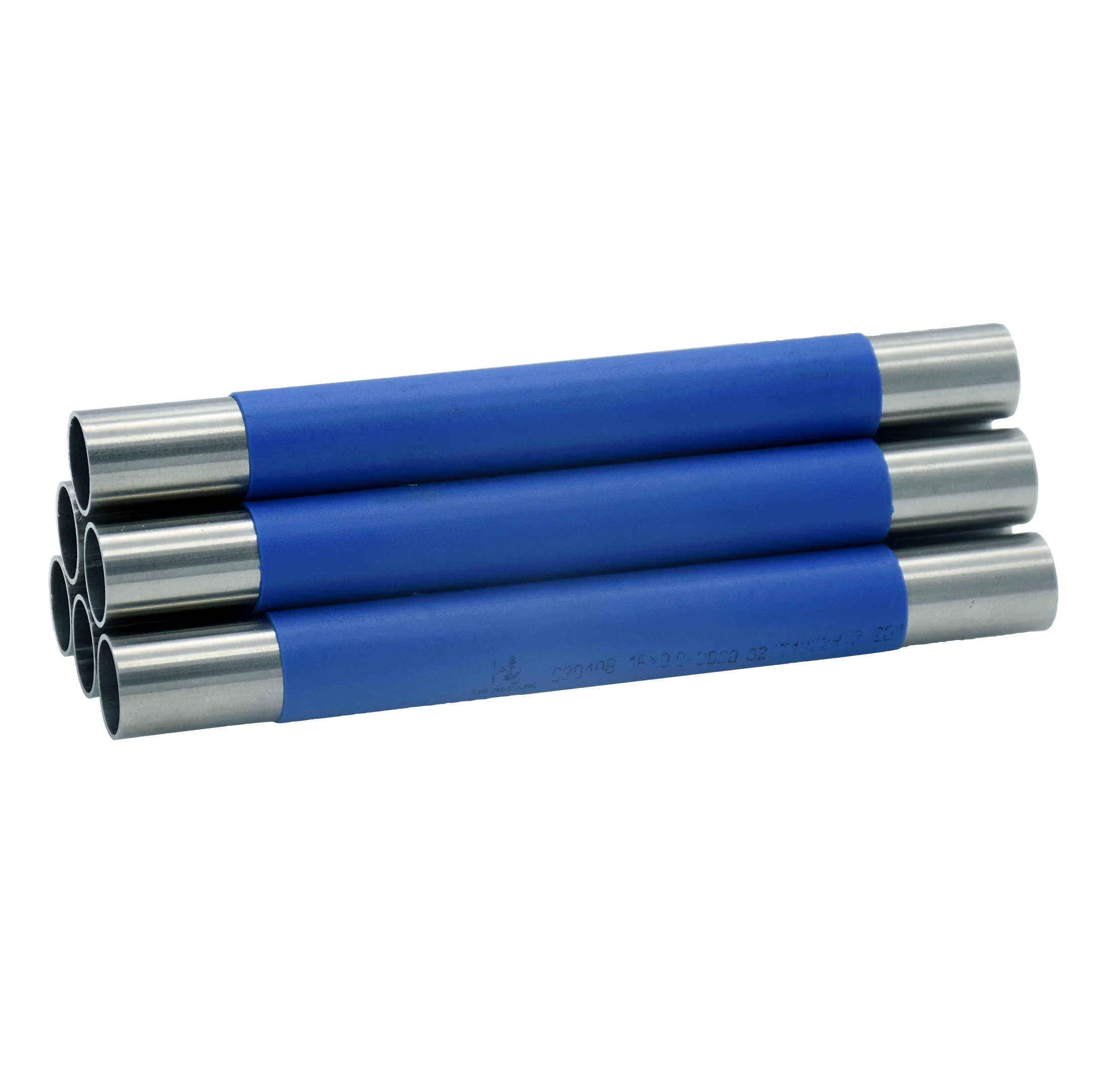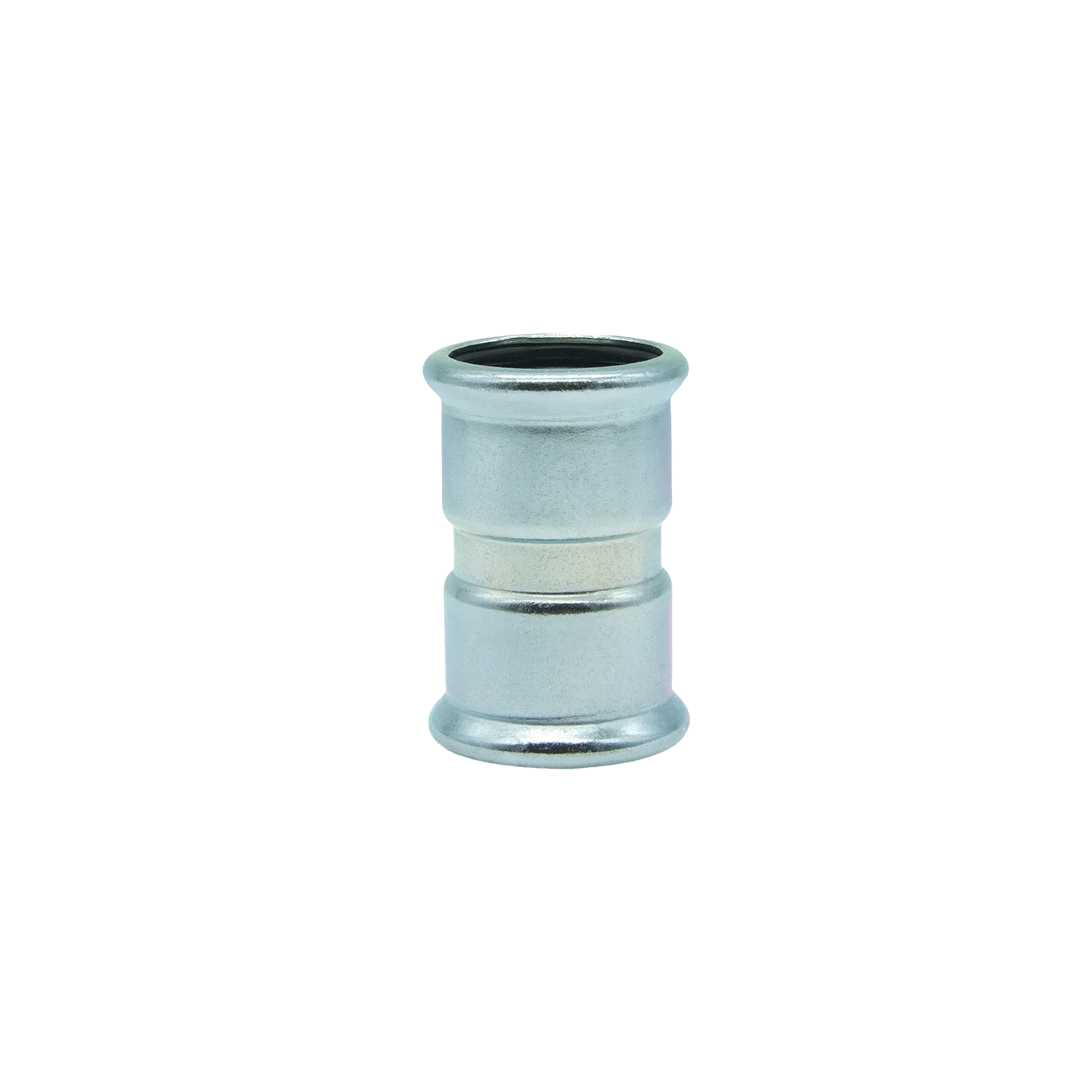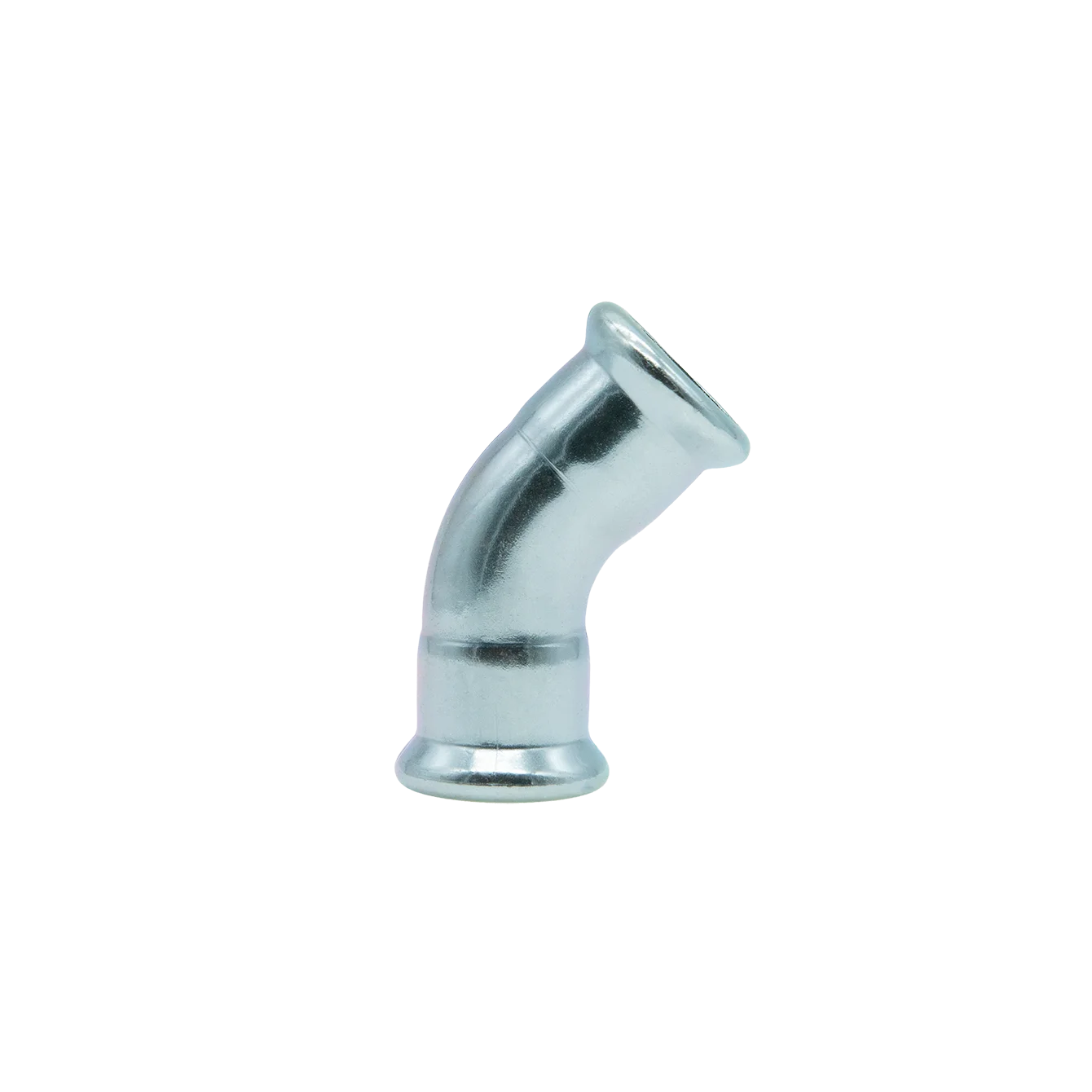
304 stainless exhaust pipes are essential components in various industrial applications, particularly in automotive and HVAC systems. They offer durability and resistance to corrosion, making them ideal for high-temperature exhaust environments. For B2B buyers, understanding how to select the right stainless steel exhaust pipe is crucial, as it directly impacts performance, safety, and overall system efficiency. This article will guide you through the essential considerations for sourcing and evaluating 304 stainless exhaust pipes, helping you make informed purchasing decisions.
Selecting the appropriate CHNCON 304 stainless exhaust pipe involves understanding the specific requirements of your project. Key considerations include the intended application, flow requirements, and environmental conditions. For instance, if the exhaust system will operate in extreme temperatures or corrosive environments, the 304 stainless steel's inherent properties, such as its high resistance to oxidation and corrosion, make it a suitable choice.
It's also essential to consider the pipe diameter and wall thickness, as these factors influence the exhaust flow rate and pressure drop. A pipe that is too small may restrict flow, leading to increased engine load and reduced efficiency, while a pipe that is excessively large can lead to poor exhaust scavenging. Collaborating with engineers or technical specialists can help you determine the optimal specifications for your application.
Finding a reliable supplier for 304 stainless exhaust pipes is crucial for ensuring product quality and service reliability. Start by identifying manufacturers with a solid reputation in the industry, like CHNCON, known for their extensive experience in producing stainless steel products. Look for suppliers that offer comprehensive product lines and can provide evidence of their manufacturing capabilities, such as certifications and quality control processes.
Consider sourcing from manufacturers that provide customization options, as this can help tailor stainless exhaust pipe to specific project needs, including dimensions, fittings, and surface treatments. Additionally, suppliers with a strong export market presence may offer insights into international standards and compliance requirements, ensuring that the products meet local regulations.
When assessing 304 stainless exhaust pipes, several specifications should be prioritized:
Wall Thickness: A thicker wall provides better durability and resistance to deformation under high pressure. However, it may also increase weight and cost. Confirm the necessary wall thickness based on your application requirements.
Diameter: The internal diameter of the pipe affects exhaust flow efficiency. Ensure the diameter matches the system design to optimize performance.
Finish and Surface Treatment: A smooth finish can reduce friction and improve flow rates. Consider whether a polished or coated finish is necessary based on the environment the pipe will operate in.
Length: Standard lengths are available, but custom lengths may be required for specific installations. Make sure to confirm the required lengths based on the system layout.
Certifications: Verify that the pipes meet relevant industry standards and certifications, which can indicate compliance with quality and safety requirements.
Understanding these specifications will help you make informed decisions and ensure the pipes meet the operational demands of your project.
The cost of 304 stainless exhaust pipes can vary widely based on several factors, including material sourcing, manufacturing processes, and customization options. Generally, the price will be influenced by:
Material Costs: Stainless steel prices fluctuate based on market conditions. Ensure to evaluate current pricing trends during procurement discussions.
Production Volume: Larger orders typically reduce the unit cost, so consider your required quantity when negotiating with suppliers.
Customization Needs: Custom sizes or features can increase costs, so clearly define your specifications upfront to receive accurate quotes.
Shipping and Handling: Depending on the supplier's location, shipping costs can significantly affect the overall price. Factor in lead times and potential import duties when sourcing internationally.
By understanding these cost factors, you can better manage your budget and negotiate effectively with suppliers.
Chncon has a dvgw press fittings RD team that includes more than 10 engineers. We are not limited to providing traditional pipe fittings, but we also provide custom services. We'll provide the best advice and suggestions throughout the development and testing phase of a brand new product to assist you in achieving your goals.
Stainless steel pipe factory has 60 production lines that have an excellent production capacity of more than 300 000 pieces of fittings and pipes annually produced This means that the delivery date can be well guaranteed Chncon has spread its business to more than 500 Chinese cities and exports to over 50 countries which has benefited more than 20 million families Chncon is a top choice for pipelines is a top quality efficient production times and thoughtful service
Chncon is a specialist in stainless steel pipe systems for more than 20 years. The plant is covered by 23000 square metres. Chncon offers four product lines with more than 10,000 pipe fittings which meet the requirements of all customers. Chncon has achieved more than V press fitting at home and overseas.
CHNCON has earned the prestigious reputation in China, the quality and service is at a first-class level. CHNCON is accredited with ISO9001, OHSAS18001, m press fitting, DVGW, ICC-ES, WRAS, CSTB and WATERMARK certifications, etc. We are committed to delivering pipelines that are innovative and have important advantages, including being safe, energy-saving, and economical.
When evaluating different suppliers of 304 stainless exhaust pipes, consider the following criteria to ensure you choose a reliable partner:
Product Quality: Request samples or references to assess the quality of the stainless steel flexible exhaust pipe. Look for suppliers that engage in rigorous quality control processes, ensuring consistency and reliability.
Manufacturing Capabilities: Investigate the supplier's production methods and technology. Advanced manufacturing techniques can lead to better quality and shorter lead times.
Customization Options: Determine if the supplier can accommodate your specific needs, such as custom dimensions, fittings, or surface treatments. This flexibility can enhance compatibility with your projects.
Customer Service: A responsive and knowledgeable customer service team can greatly enhance your purchasing experience. Evaluate how quickly and effectively suppliers respond to inquiries.
Reputation and Experience: Research the supplier's history and client testimonials. Experienced suppliers like CHNCON, with over 20 years in the industry, can offer insights and reliability.
Certifications and Compliance: Ensure that suppliers adhere to industry standards and possess relevant certifications. This is crucial for maintaining quality and compliance in your projects.
By systematically comparing suppliers based on these factors, you can identify the best fit for your needs, ensuring high-quality products and a smooth procurement process.
Copyright © Zhejiang Zhengkang Industrial Co., Ltd. All Rights Reserved - Privacy Policy