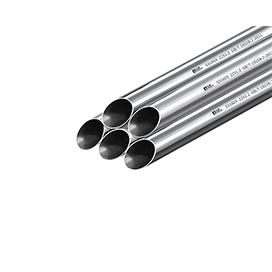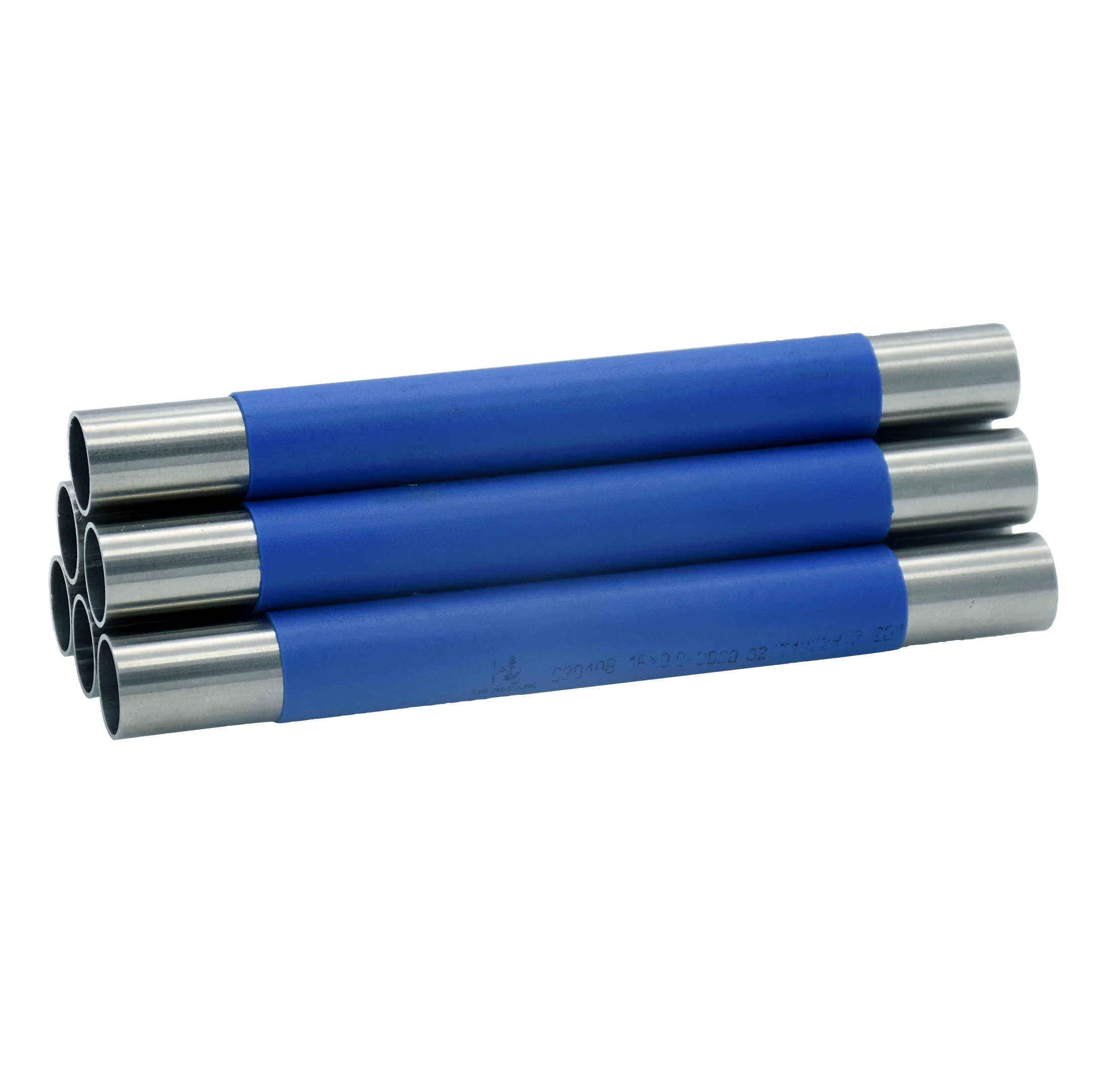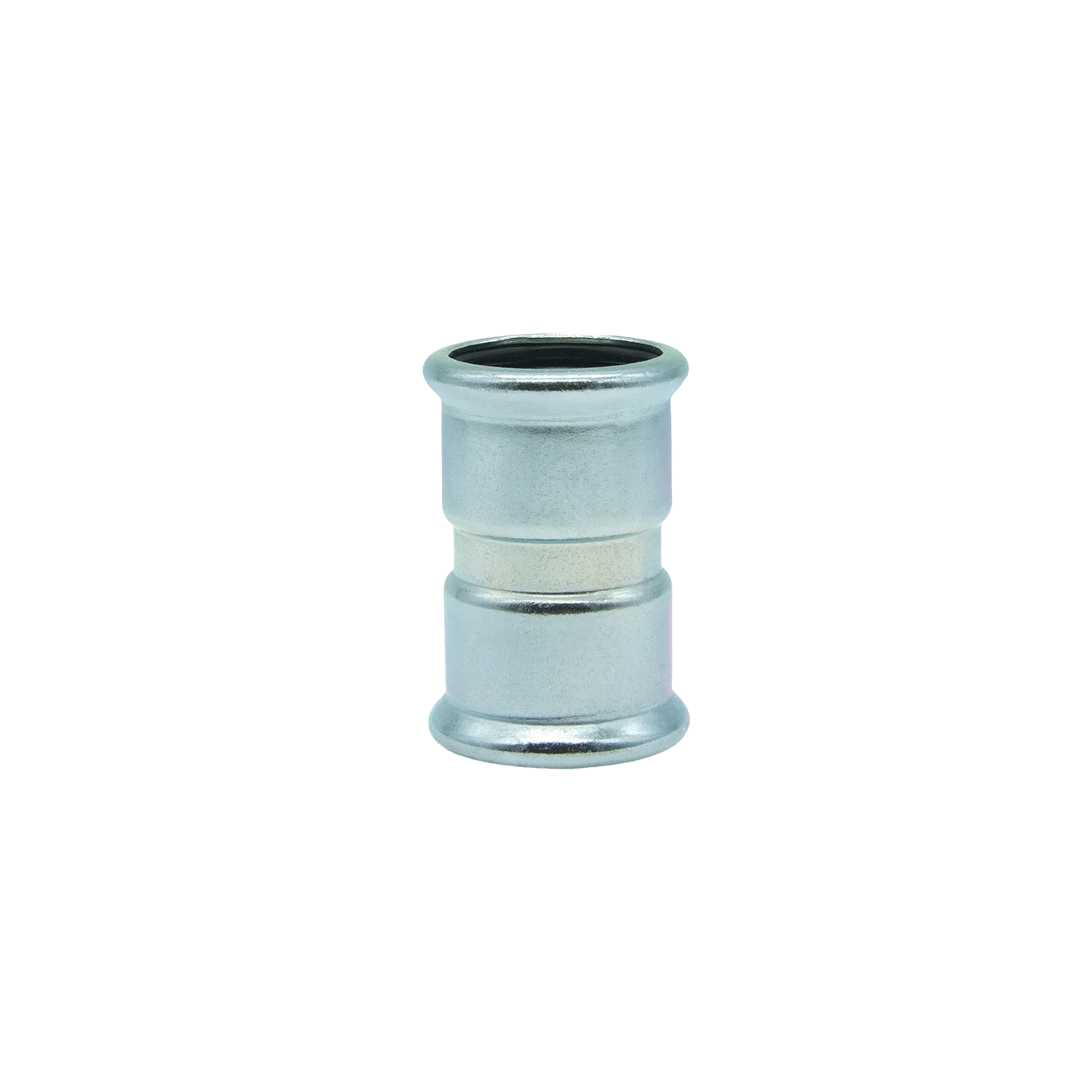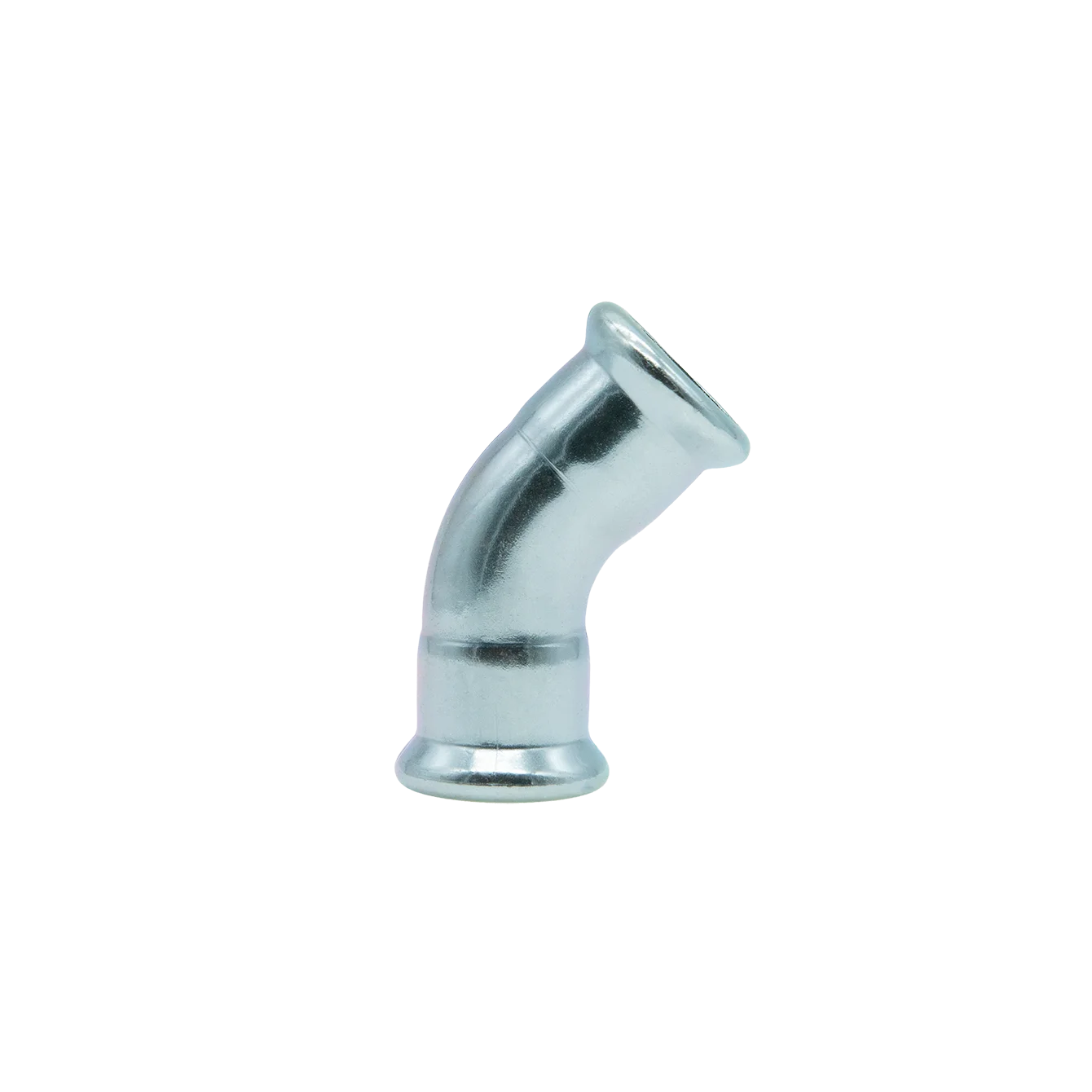
Stainless exhaust pipes are essential components in various industrial applications, providing durability and corrosion resistance in demanding environments. For B2B buyers, understanding the advantages, specifications, and sourcing best practices for stainless exhaust pipes is crucial in making informed purchasing decisions. This article will elucidate these aspects, addressing common buyer concerns such as material selection, quality assurance, and supplier evaluation.
Stainless exhaust pipes offer several advantages that make them a preferred choice in many applications. The primary benefit is their excellent corrosion resistance, which is crucial in environments where moisture and chemicals are prevalent. Unlike carbon steel, which can rust and degrade over time, stainless steel maintains its integrity and appearance, leading to lower maintenance costs and longer service life.
Moreover, stainless flex exhaust pipe can withstand high temperatures, making them suitable for automotive and industrial applications where heat exposure is a concern. Their strength and flexibility allow for easier installation and integration into various systems, reducing the likelihood of leaks or failures. For wholesale buyers, these characteristics translate into lower total cost of ownership and enhanced reliability of the systems they support.
When sourcing CHNCON stainless exhaust pipes, several key specifications must be considered to ensure suitability for the intended application:
Material Grade: Common grades for stainless exhaust pipes include 304 and 316 stainless steel. Grade 304 is suitable for most applications, while 316 offers better corrosion resistance, especially in marine environments. Buyers should assess the environmental conditions to determine the appropriate grade.
Diameter and Wall Thickness: The diameter of the pipe must match the requirements of the system it will be installed in. Wall thickness is also critical as it affects the pipe’s strength and ability to handle pressure. Thicker walls can improve durability but may increase weight and cost.
Length and Shape: Custom lengths and specific shapes may be required depending on the installation. Buyers must provide precise specifications to ensure the exhaust pipes fit seamlessly within existing systems.
Finish: The surface finish of the stainless exhaust pipe can impact performance and aesthetics. A smooth finish can reduce friction and improve flow, while a polished surface may enhance appearance and resistance to contaminants.
Certifications: Ensure that the pipes meet relevant industry standards and certifications, which may vary by region or application. This includes compliance with ASTM or ASME standards.
By considering these specifications, buyers can ensure they select stainless steel pipe manufacturers that meet their operational requirements and regulatory standards.
Reliability in CHNCON stainless exhaust pipes is determined by several factors, including material quality, manufacturing processes, and adherence to quality control standards. A reliable stainless exhaust pipe will be made from high-grade materials that provide the necessary mechanical properties for the intended application.
The manufacturing process is also crucial. Pipes should be produced using advanced techniques that guarantee consistent quality and performance. For instance, processes such as seamless manufacturing can enhance strength and reduce the risk of weak points that could lead to failure.
Quality control measures must be in place throughout production, including testing for dimensional accuracy, pressure testing, and surface inspections. Buyers should inquire about the supplier’s quality assurance protocols to ensure they are sourcing products that will perform reliably in their applications.
Finding reliable suppliers of stainless exhaust pipes requires careful evaluation. Wholesale buyers can start by researching manufacturers with a proven track record in the industry. Companies that specialize in stainless and carbon steel products, like CHNCON, are often well-versed in the specific requirements and standards for stain steel pipe.
It’s beneficial to seek suppliers that offer comprehensive product lines and customization options, as this indicates their capability to meet diverse client needs. Buyers should also consider suppliers with certifications relevant to their industry, ensuring compliance with quality and safety standards.
Another effective approach is to seek recommendations from industry peers or attend trade shows and networking events, where suppliers often showcase their products and capabilities. Online platforms featuring supplier reviews and ratings can also assist in identifying trustworthy manufacturers.
Chncon has 60 production lines and has a monthly capacity of over 300 000 pieces In this way the delivery time can be assured Chncon has expanded its operations to more than 500 Chinese cities and exports to over 50 nations which has benefited more than 20 million families Chncon a great option for pipelines provides high-quality reliable production times and Press fitting service
Chncon has a m press fitting RD team that includes more than 10 engineers. We are not limited to providing traditional pipe fittings, but we also provide custom services. We'll provide the best advice and suggestions throughout the development and testing phase of a brand new product to assist you in achieving your goals.
CHNCON is well-known in China. Quality and service are both at the top of their game. Our company is accredited by ISO9001, V press fitting, ISO14001, DVGW, ICC-ES, WRAS, CSTB and WATERMARK certifications as well as other such. We committed to deliver new pipeline products with significant advantages of healthy, safe efficient and cost-effective to around the world.
Chncon is a specialist in stainless steel pipe systems for over 20 years. The plant is located in 23000 square meters. Chncon has four product lines that include more than 10,000 pipe fittings that meet every customer's requirements. Chncon is a result of more than 30 certificates at home as well as Inox press fitting.
When sourcing stainless exhaust pipes, adhering to best practices can facilitate a smoother purchasing process:
Provide Detailed Specifications: When requesting quotes, include all relevant specifications, such as material grade, dimensions, and any required certifications. This helps suppliers provide accurate pricing and lead times.
Request Samples: Before committing to large orders, request samples to assess quality and suitability. Evaluate the sample under actual operating conditions to ensure performance meets expectations.
Evaluate Supplier Capabilities: Assess potential suppliers based on their manufacturing capabilities, experience, and quality control processes. This includes understanding their production equipment and capacity to handle custom orders.
Check for Quality Assurance: Confirm that the supplier has robust quality assurance processes in place, including testing and inspection protocols. This ensures that the product will meet the required specifications and performance standards.
Consider Logistics: Discuss packaging methods and shipping options to ensure products arrive in optimal condition. Understanding lead times and minimum order quantities can also assist in planning inventory effectively.
By following these best practices, buyers can enhance their procurement process for stainless exhaust pipes, ensuring they receive high-quality products that meet their operational needs.

Copyright © Zhejiang Zhengkang Industrial Co., Ltd. All Rights Reserved - Privacy Policy