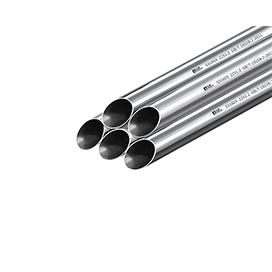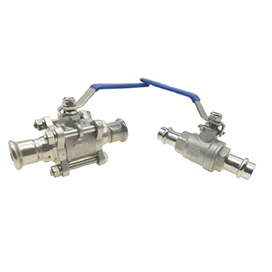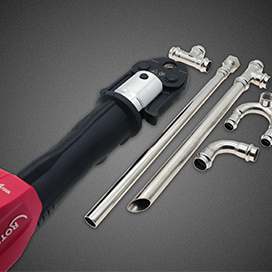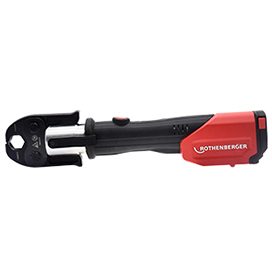
Stainless steel flexible exhaust pipes are essential components in various industrial applications, providing efficient exhaust management while ensuring durability and resistance to corrosion. For B2B buyers, key concerns often revolve around material quality, installation requirements, and supplier reliability. This article will guide purchasing managers, engineers, and distributors through the crucial aspects of selecting, sourcing, and implementing stainless steel flexible exhaust pipes.
When selecting stainless steel flexible exhaust pipes, several key specifications should be considered to ensure optimal performance for your specific application.
Material Composition: Most industrial exhaust pipes are made from 304 or 316 stainless steel. The former is typically sufficient for many applications, but 316 stainless steel offers superior corrosion resistance, making it ideal for environments with higher levels of chlorides or other corrosive agents.
Thickness and Diameter: The wall thickness and diameter of the exhaust pipe significantly affect its durability and flow capacity. A thicker wall can withstand higher temperatures and pressures but may add weight. Diameter selection should match the exhaust system's design to prevent back pressure that can lead to performance issues.
Temperature Resistance: Buyers must evaluate the operating temperature conditions. Flexible exhaust pipes should handle the maximum temperatures expected in operation without degrading. Ensure that the chosen pipe can withstand these conditions over time.
Flexibility and Bending Radius: The pipe's flexibility is crucial for installation in tight spaces or irregular layouts. Manufacturers often specify a minimum bending radius which should not be exceeded to prevent kinking and restrict flow.
Certifications and Standards: Look for pipes that comply with industry standards such as ISO or ASTM specifications, which indicate adherence to quality and safety requirements. This is critical for ensuring long-term reliability and performance.
By carefully evaluating these specifications, buyers can make informed decisions that align with their operational needs and project requirements.
Finding a reliable supplier for stainless steel flexible exhaust pipes involves several key strategies:
Industry Directories and Trade Shows: Utilize industry-specific directories and attend trade shows where manufacturers and suppliers showcase their products. These platforms provide opportunities for direct interaction and product examination.
Online Marketplaces: Websites like Alibaba or ThomasNet feature numerous suppliers. Look for those with verified ratings, positive customer reviews, and a proven track record in the industry.
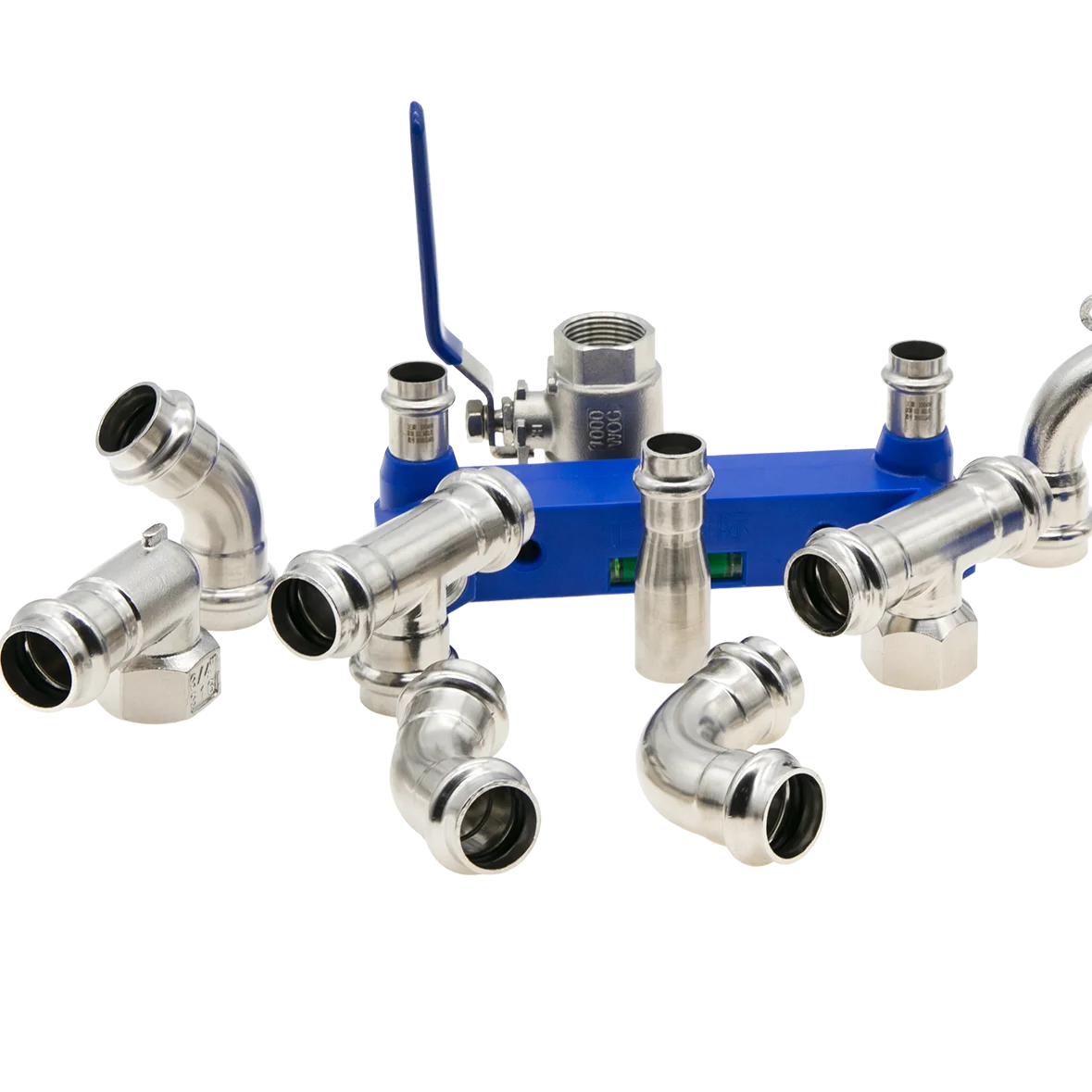
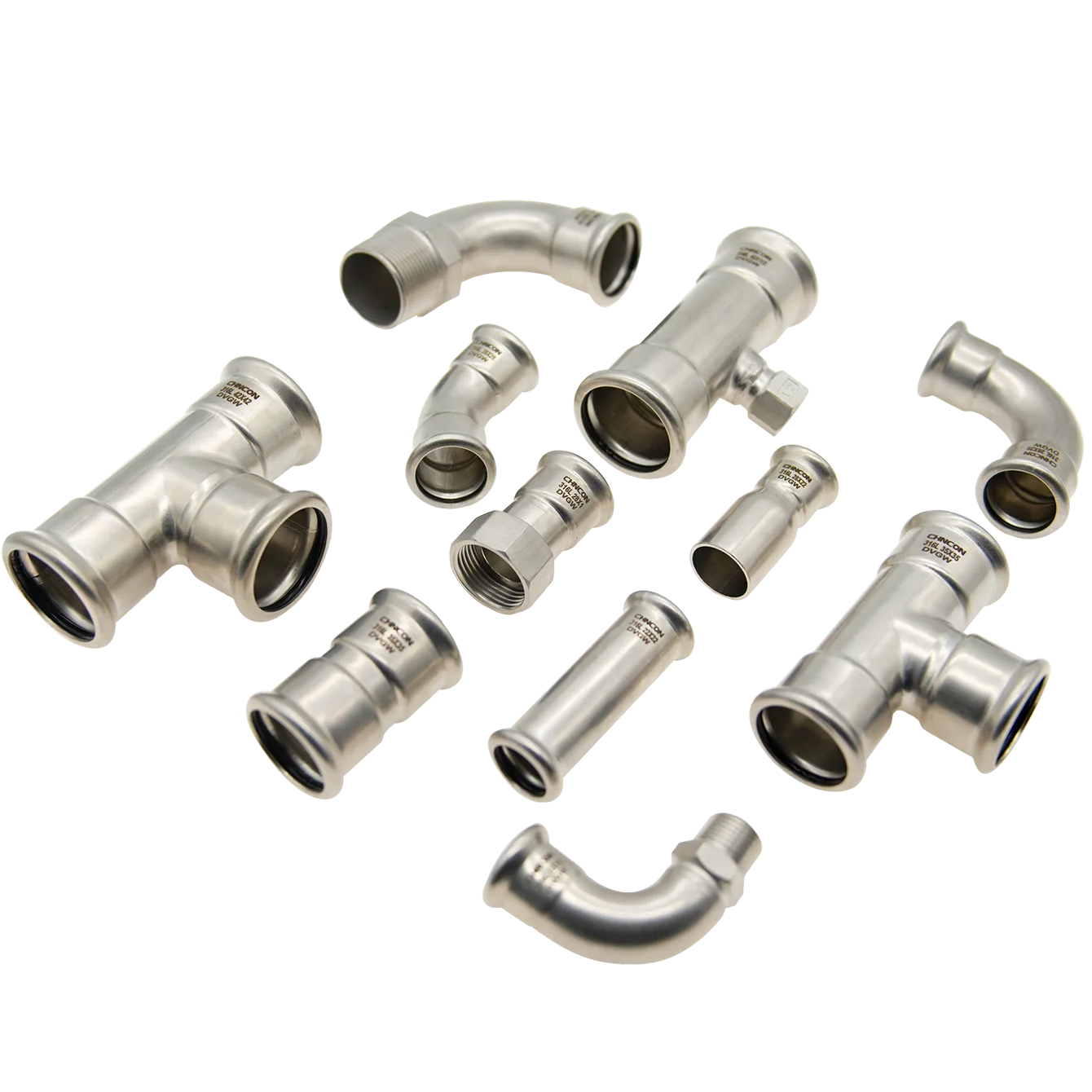
Manufacturer Websites: Investigate manufacturers like CHNCON, part of ZK International Group, which specializes in stainless steel and carbon steel pipe fittings. Their longstanding experience and patented technology in the industry can assure you of product quality.
Networking: Engage with industry peers and professionals through forums or LinkedIn groups. Recommendations from trusted contacts can lead to reputable suppliers.
Requesting Samples: Before finalizing any supplier, request samples of the flexible exhaust pipes to evaluate their quality and suitability for your application. This practice can prevent costly purchasing errors.
By leveraging these resources, buyers can identify trustworthy suppliers who meet their quality and service expectations.
When planning to purchase stainless steel flexible exhaust pipes in bulk, several cost factors need to be carefully evaluated:
Material Costs: The price of raw stainless steel can fluctuate based on market conditions. Understanding the current market rates for 304 and 316 stainless steel can help you anticipate costs.
Manufacturing and Customization Fees: If you require custom dimensions or features, inquire about any additional costs associated with these modifications. Customization can lead to higher production costs due to specialized tooling and handling.
Order Volume: Larger orders often qualify for discounts. Buyers should discuss pricing tiers with suppliers to ensure they maximize their savings potential.
Shipping and Handling: Evaluate shipping costs based on the order size and destination. Some suppliers may offer free shipping for minimum order quantities, which can significantly affect total costs.
Lead Times: Consider the lead times for production and delivery. Rush orders may incur additional fees. Understanding these timelines can help you plan your project schedule effectively.
By analyzing these cost factors, purchasing managers can make strategic decisions that align with their budgetary constraints while ensuring timely project execution.
Proper installation of stainless steel flexible exhaust pipes is crucial for optimal performance and longevity. Here are some guidelines to follow:
Preparation: Before installation, ensure that all necessary tools and materials are available. This includes clamps, connectors, and any required seals or gaskets. Inspect the installation area for any obstructions.
Cutting and Fitting: Use appropriate cutting tools to achieve the required lengths and ensure clean edges. Pipes should be fitted snugly with connectors to prevent leaks. Avoid forcing connections, which can lead to misalignment or damage.
Securing the Pipe: Flexible pipes should be adequately secured using appropriate clamps or brackets, spaced according to the manufacturer's recommendations. This prevents sagging and movement during operation, which could lead to wear and tear.
Testing for Leaks: Once installed, conduct a thorough inspection for leaks before full operation. This may involve running the exhaust system at a lower temperature to check connections and joints.
Maintenance Access: Ensure that the installation allows for easy access for future maintenance checks. Regular inspections can help identify wear and prevent unexpected failures.
By adhering to these installation guidelines, buyers can ensure that their flexible exhaust pipes function effectively and maintain their integrity over time.
Chncon has 60 production lines and has a monthly capacity of over 300 000 pieces In this way the delivery time can be assured Chncon has expanded its operations to more than 500 Chinese cities and exports to over 50 nations which has benefited more than 20 million families Chncon a great option for pipelines provides high-quality reliable production times and Inox press fitting service
CHNCON is well-known in China. Quality and service are both at the top of their game. Our company is accredited by ISO9001, Stainless steel pipe, ISO14001, DVGW, ICC-ES, WRAS, CSTB and WATERMARK certifications as well as other such. We committed to deliver new pipeline products with significant advantages of healthy, safe efficient and cost-effective to around the world.
Chncon has a skilled En10312 with more than 10 engineers. We can not only provide conventional pipe fittings, but we also offer custom services. During new product's RD period We will do the best we can to offer our professional suggestions and advice to ensure that your ideas will be fully implemented.
Chncon is a specialist in stainless steel pipe systems for more than 20 years. The plant is covered by 23000 square metres. Chncon offers four product lines with more than 10,000 pipe fittings which meet the requirements of all customers. Chncon has achieved more than V press fitting at home and overseas.
Understanding common issues associated with stainless steel flexible exhaust pipes can help buyers mitigate problems before they occur:
Corrosion: Even stainless steel can corrode under certain conditions, particularly if exposed to aggressive chemicals or high humidity. Solutions include selecting the appropriate material grade and applying protective coatings if necessary.
Kinking or Crimping: Improper installation can lead to kinks or crimped sections in the pipe, restricting flow and causing stress points. Ensure adherence to the minimum bending radius and avoid sharp turns during installation.
Leaking Joints: Poorly secured joints can lead to exhaust leaks, which can be hazardous. Regularly inspect all connections and ensure they are tightened according to the manufacturer's specifications.
Thermal Expansion: Stainless steel pipes can expand and contract with temperature changes. Incorporate expansion joints or flexible connectors to accommodate this movement without stressing the system.
Blockages: Debris accumulation can lead to blockages, reducing exhaust efficiency. Implement regular maintenance schedules to clean and inspect exhaust systems for blockages.
By proactively addressing these common issues, buyers can enhance the reliability and performance of their exhaust pipe systems, leading to longer-lasting installations.

Copyright © Zhejiang Zhengkang Industrial Co., Ltd. All Rights Reserved - Privacy Policy