
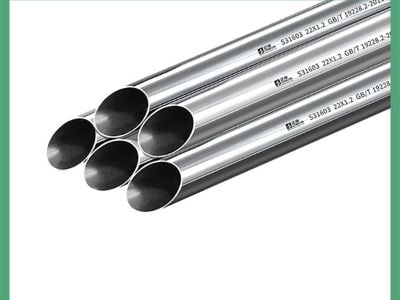
Choosing the right type of pipe is crucial for any B2B buyer in the manufacturing or construction sector. When it comes to 304 stainless steel pipes, the decision often boils down to selecting between seamless and welded options. This guide, covering "Seamless vs. Welded 304 Stainless Steel Pipe," will help purchasing managers, engineers, and distributors understand the key differences, specifications, and considerations that influence their selection, ultimately aiding in informed purchasing decisions
Understanding Seamless vs. Welded 304 Stainless Steel Pipe Options
Seamless and welded 304 stainless steel pipes serve similar purposes but differ significantly in their manufacturing processes, structural integrity, and application suitability
Seamless Pipes are manufactured from a solid round steel billet that is heated and molded into a pipe. This process eliminates any potential weak points associated with welds, allowing seamless pipes to withstand higher pressures and temperatures. They are often preferred in high-stress applications such as oil and gas, chemical processing, and high-temperature environments
On the other hand, Welded Pipes are produced by rolling steel plates and welding the edges together. While generally more cost-effective to produce, welded pipes can present weaknesses at the seam. However, they are widely used in various applications, including water supply and HVAC systems, where high pressure is not a critical concern
Buyers must consider these fundamental differences as they relate to their specific applications and performance requirements
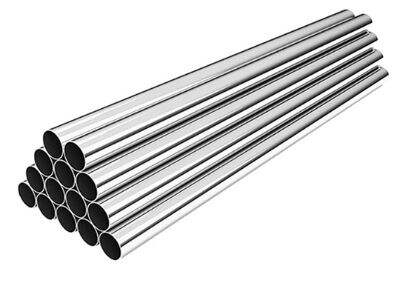
Key Specifications of Seamless and Welded 304 Stainless Steel Pipes
Understanding the specifications of seamless and welded 304 stainless steel pipes is essential for making an informed purchase decision. Here are the key specifications to consider
Dimensions and Tolerances: Both types of pipes come in various diameters and wall thicknesses. Seamless pipes often have tighter tolerances, making them suitable for precision applications. Welded pipes may have slight discrepancies at the seams, which can affect fit and installation
Pressure Rating: Seamless pipes typically have a higher pressure rating due to their uniform structure. This aspect is vital for applications that involve high-pressure systems, such as in industrial processes. Welded pipes, while generally adequate for lower pressure applications, should be evaluated carefully to ensure they meet the required standards
Material Composition: The 304 stainless steel used in both pipe types offers excellent corrosion resistance and durability. However, buyers should confirm the exact chemical composition to ensure it meets specific regulatory or application standards
Manufacturing Standards: Look for compliance with industry standards such as ASTM A312 for seamless pipes and ASTM A53 for welded pipes. These standards can provide assurance of quality and consistency
Surface Finish: The surface finish can impact the corrosion resistance and aesthetic appearance of the pipes. Seamless pipes tend to have a smoother finish, which can be beneficial in certain applications
Understanding these specifications allows buyers to better match their requirements with the right product
Seamless vs. Welded 304 Stainless Steel Pipes
When comparing seamless and welded 304 stainless steel pipes, several factors come into play
Strength and Durability: Seamless pipes are generally stronger and more durable than welded pipes due to their continuous structure. This characteristic makes them suitable for applications involving high pressure and temperature fluctuations
Cost: Welded pipes are typically less expensive to produce because of their manufacturing process, making them a more budget-friendly option for projects that do not require the strength of seamless pipes
Applications: Seamless pipes are ideal for critical applications in oil and gas, aerospace, and high-pressure steam systems. Conversely, welded pipes are commonly used in plumbing, HVAC, and general structural applications
Installation Considerations: Seamless pipes tend to be easier to handle and install due to their uniformity, while welded pipes may require more careful handling to ensure the integrity of the welds during installation
Each type has its strengths and weaknesses; thus, the choice should be guided by the specific needs of the project, taking into account factors such as pressure requirements, budget constraints, and application suitability
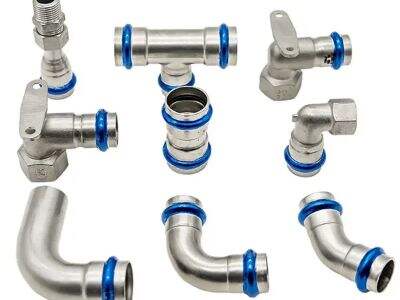
Cost Considerations for Wholesale Seamless and Welded Pipe Purchases
When sourcing 304 stainless steel pipes, understanding cost factors is essential for making informed purchasing decisions
Material Costs: The base material for both seamless and welded pipes is similar; however, the manufacturing process for seamless pipes often results in higher costs due to the additional energy and time required
Production Volume: Higher order quantities usually result in lower per-unit costs. Buyers should consider their minimum order quantities (MOQs) and how they may negotiate bulk pricing with suppliers
Shipping and Handling: The weight and dimensions of the pipes can impact shipping costs. Seamless pipes may be heavier and bulkier, which can increase transportation expenses. Buyers should factor in shipping costs when evaluating overall expenses
Market Fluctuations: Prices for stainless steel can fluctuate based on market conditions, such as raw material availability and demand. Staying informed about market trends can help buyers time their purchases effectively
Supplier Reliability: The reputation and reliability of a supplier can also affect pricing. Established manufacturers like CHNCON, with over 20 years of experience in producing high-quality stainless steel products, can offer competitive pricing while ensuring product reliability and consistency
By considering these factors, buyers can better manage their budgets and make more strategic purchasing decisions
Where to Source Reliable Seamless and Welded Stainless Steel Pipes
Finding a trustworthy supplier is crucial for ensuring product quality and reliability. Consider the following factors when sourcing seamless and welded 304 stainless steel pipes
Manufacturer Reputation: Look for suppliers with a strong track record in the industry. Established manufacturers like CHNCON, part of ZK International Group, have extensive experience and a proven history of delivering quality products across various sectors
Certifications and Compliance: Verify that the manufacturer adheres to relevant industry standards and certifications. Compliance with ASTM standards, for example, can indicate a commitment to quality and safety
Customization Capabilities: Some projects may require customized pipe solutions. Ensure that your chosen supplier can accommodate specific dimensions, materials, or finishes based on your needs
Quality Control Processes: Inquire about the manufacturer’s quality control processes. Reliable suppliers should have rigorous testing and inspection protocols to ensure the integrity and performance of their products
Customer Support: Evaluate the level of customer service provided by the supplier. A responsive and knowledgeable team can assist you in resolving any issues that may arise during the ordering process
By focusing on these aspects, B2B buyers can identify reliable sources for seamless and welded 304 stainless steel pipes, ensuring that their projects are supported by high-quality materials
Table of Contents
- Understanding Seamless vs. Welded 304 Stainless Steel Pipe Options
- Key Specifications of Seamless and Welded 304 Stainless Steel Pipes
- Seamless vs. Welded 304 Stainless Steel Pipes
- Cost Considerations for Wholesale Seamless and Welded Pipe Purchases
- Where to Source Reliable Seamless and Welded Stainless Steel Pipes