
Understanding the differences between female threaded couplings and female thread tees is essential for B2B buyers in various industrial applications. This selection guide will help purchasing managers, engineers, and product managers evaluate which product best suits their needs, addressing key specifications, supplier reliability, cost factors, and common issues. By the end of this article, readers will have a clearer understanding of how to make informed decisions when sourcing these critical pipe fittings.
Key Specifications for Female Thread Tee in Industrial Applications
When considering female thread tees and Press Tools, key specifications include material, dimensions, pressure ratings, and sealing mechanisms. The material choice is paramount; options such as stainless steel or carbon steel offer different levels of corrosion resistance and strength, which can significantly impact performance in specific environments. For example, stainless steel is often preferred for applications involving water supply and fire protection due to its durability and resistance to rust.
Dimensions, particularly the thread size and overall fitting size, must match the pipeline specifications to ensure proper installation and functionality. Pressure ratings determine how much stress the fitting can withstand before failing, and it's crucial that these ratings align with the pressure requirements of the system. Lastly, the sealing mechanism—whether a threaded or welded seal—affects the fitting's leak-proof capabilities. Buyers should verify these specifications against their application requirements to avoid costly installation issues.
Finding Reliable Suppliers for Pipe Fittings
Sourcing reliable suppliers for female threaded products is vital for ensuring product quality and timely delivery. Buyers should prioritize manufacturers with a proven track record in the industry, such as CHNCON, which has over 20 years of experience in producing stainless and carbon steel fittings. Prospective buyers should verify supplier credentials by checking industry certifications and quality control processes, ensuring that the supplier adheres to relevant standards.
Additionally, evaluating the supplier’s customer service and responsiveness is essential. A supplier that can provide detailed product information, customization options, and reliable lead times will facilitate a smoother purchasing process. Prospective buyers should also consider suppliers with a robust distribution network to ensure timely delivery, especially for large-scale projects.
Cost Factors Involved in Purchasing Female Threaded Products
Understanding the cost factors associated with female threaded couplings and tees is crucial for budget-conscious buyers. The primary cost drivers include material selection, manufacturing processes, and order quantities. For example, while stainless steel products may have a higher upfront cost, their longevity and resistance to corrosive environments can result in lower total costs over time.
Manufacturing techniques, such as precision machining versus mass production, also impact pricing. Customization options will typically increase costs, so buyers should assess whether tailored solutions are necessary for their applications. Additionally, minimum order quantities (MOQs) can affect overall costs; purchasing in bulk often results in discounts but requires careful consideration of inventory management.
Buyers should obtain detailed quotes from suppliers, taking into account not only unit pricing but also shipping costs, potential tariffs, and lead times. Comparing these factors across different suppliers can help identify the best value.
Common Problems with Female Threaded Fittings and Their Solutions
Female threaded fittings can present several common issues, particularly if not properly specified or installed. A frequent problem is improper threading, which can lead to leaks. Ensuring that the thread standards (such as NPT or BSP) are compatible with the corresponding male fittings is critical. Buyers should confirm thread compatibility before placing orders to avoid installation issues.
Another common issue is corrosion, especially in environments with exposure to moisture or aggressive chemicals. Selecting the right material is essential for mitigating this risk. For instance, using stainless steel in corrosive environments is advisable. Additionally, applying appropriate thread sealants can prevent leakage and protect against corrosion.
Installation errors, such as over-tightening, can also lead to damage. Proper training for installation teams and adhering to manufacturer guidelines can help mitigate these risks. Regular inspections and maintenance of installed fittings can further reduce the likelihood of failure.
Applications of Female Threaded Couplings vs. Female Thread Tees
Both female threaded couplings and female thread tees serve specific roles in piping systems, and understanding their applications can guide buyers in making informed decisions. Female threaded couplings are primarily used to connect two pipes in a straight line, allowing for easy assembly and disassembly in applications like HVAC systems and water supply lines.
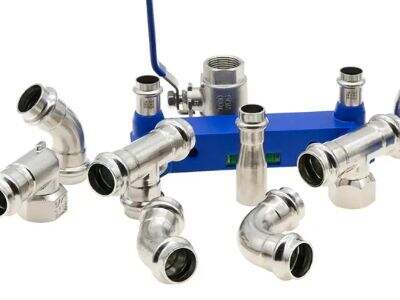
In contrast, female thread tees and Press Ball Valves and Mainfold are utilized to branch off a main pipeline, allowing for fluid distribution in multiple directions. This is particularly useful in fire protection systems where multiple outlets are required from a single supply line. Buyers should consider the specific requirements of their projects when deciding between these two fittings.
When evaluating applications, it’s also essential to consider factors such as the required flow rate, pressure conditions, and the nature of the conveyed fluid. For instance, in environments where higher pressures are expected, the strength of the fitting material and the design must be thoroughly assessed.
understanding the differences and applications of female threaded couplings and female thread tees is crucial for making informed purchasing decisions in industrial contexts. By considering specifications, supplier reliability, cost factors, and common issues, buyers can select the right fittings for their needs.
Table of Contents
- Key Specifications for Female Thread Tee in Industrial Applications
- Finding Reliable Suppliers for Pipe Fittings
- Cost Factors Involved in Purchasing Female Threaded Products
- Common Problems with Female Threaded Fittings and Their Solutions
- Applications of Female Threaded Couplings vs. Female Thread Tees