
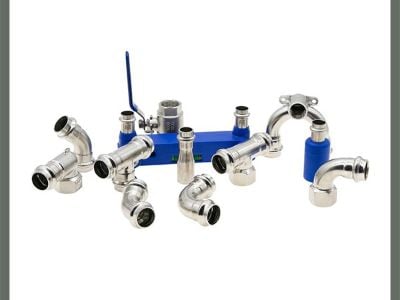
High pressure stainless steel tubing is a vital component for various industrial applications, particularly in sectors like water supply, fire protection, and HVAC systems. As a B2B buyer, understanding how to choose the right tubing is crucial to ensure performance, durability, and cost-effectiveness. This guide will help you navigate the complexities of sourcing high pressure stainless steel tubing, covering key specifications, cost factors, quality control measures, and applications across different industries
How to Choose High Pressure Stainless Steel Tubing for Your Projects
Selecting the right high pressure stainless steel tubing involves several critical considerations. First, assess the operating conditions of your application, including pressure and temperature requirements. Tubing must withstand specific pressures without deforming or failing; typically, the pressure ratings for stainless steel tubing are categorized according to standards such as ASTM and ASME
Next, consider the grade of stainless steel. Common grades include 304 and 316, with 316 offering better corrosion resistance, making it suitable for harsher environments. If your application involves exposure to chemicals or extreme temperatures, opting for a higher grade can enhance longevity and performance
Finally, evaluate the dimensions and wall thickness of the tubing. These factors directly influence flow rates and structural integrity. It’s advisable to consult with your supplier to confirm that the chosen dimensions align with your system's design and operational requirements
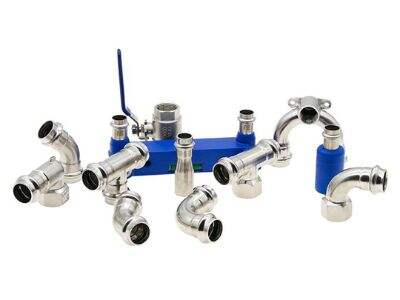
Key Specifications to Evaluate When Sourcing Stainless Steel Tubing
When sourcing high pressure stainless steel tubing, several specifications should be meticulously evaluated
Material Composition: Confirm the specific grade of stainless steel. Grades like 304 and 316 have different properties that affect corrosion resistance and strength
Wall Thickness: Thicker walls may provide better pressure resistance but can also add weight and reduce flow rates. Ensure the wall thickness meets the pressure requirements of your application
Outer Diameter: The outer diameter must fit within the system design. Verify compatibility with existing fittings and connections to avoid issues during installation
Pressure Rating: Each tubing type has a maximum pressure rating determined by its material and wall thickness. Ensure that the selected tubing can handle the maximum pressure your system will encounter
Finish and Surface Treatment: The surface finish can impact corrosion resistance and flow characteristics. Polished finishes may be beneficial in applications where hygiene is critical
Certification and Compliance: Ensure that the tubing meets relevant industry standards and certifications, which may include ASTM, ASME, and ISO certifications. This confirms that the product has been tested and meets specific performance criteria
Understanding the Cost Factors of High Pressure Stainless Steel Tubing
The cost of high pressure stainless steel tubing can vary significantly based on several factors
Material Grade: Higher grades of stainless steel, such as 316, typically come at a premium due to enhanced properties that justify the cost in demanding applications
Quantity Ordered: Many suppliers offer discounts for bulk orders. Assess your project needs and forecast future requirements to maximize potential savings
Customization: Custom dimensions or special manufacturing processes can increase costs. Clearly outline your specifications to understand how they will affect pricing
Supplier Location: Transportation costs can influence the total cost, especially for international orders. Consider the proximity of your supplier to reduce shipping expenses
Market Conditions: Fluctuations in raw material prices can affect tubing costs. Staying informed about global steel market trends may help in budget planning
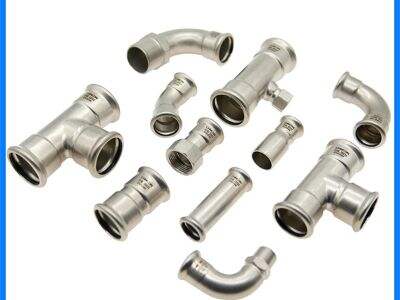
Quality Control Measures for High Pressure Stainless Steel Tubing
Quality assurance is crucial when sourcing high pressure stainless steel tubing. Here are key measures to ensure product integrity
Material Testing: Request documentation proving that the tubing has undergone material testing, including chemical composition analysis and mechanical property assessments
Dimensional Inspection: Ensure that the supplier conducts precise measurements to confirm that the tubing meets specified dimensions and tolerances
Pressure Testing: Tubing should be pressure tested to verify its integrity under maximum operating conditions. This testing ensures that the tubing will not fail during use
Visual Inspection: A thorough visual inspection can identify surface defects or irregularities that may affect performance. Look for signs of pitting, corrosion, or improper finishes
Traceability: Ensure that the supplier can provide traceability for every batch of tubing, allowing you to track the material back to its origin and manufacturing conditions
Applications of High Pressure Stainless Steel Tubing in Various Industries
High pressure stainless steel tubing is versatile and finds applications across multiple industries
Water Supply Systems: Used in municipal water systems to transport water under high pressure, ensuring reliability and durability in various environmental conditions
Fire Protection: Employed in fire suppression systems, tubing must withstand extreme pressures and be resistant to corrosion for effective performance
HVAC Systems: In heating, ventilation, and air conditioning systems, stainless steel tubing is utilized for refrigerants and other fluids, where high pressure and temperature stability are critical
Chemical Processing: The chemical industry often requires high pressure tubing for transporting corrosive substances. The choice of stainless steel grade directly impacts the tubing's longevity in these applications
Oil and Gas: In the oil and gas sector, high pressure stainless steel tubing is essential for transporting fluids and gases safely and efficiently under high-pressure conditions
By understanding these applications, you can better assess how high pressure stainless steel tubing will meet the specific needs of your projects
This guide aims to equip B2B buyers with the necessary knowledge to make informed decisions when sourcing high pressure stainless steel tubing. By focusing on critical specifications, cost factors, and quality control measures, you can ensure that your projects utilize the most suitable products for optimal performance and reliability
Table of Contents
- How to Choose High Pressure Stainless Steel Tubing for Your Projects
- Key Specifications to Evaluate When Sourcing Stainless Steel Tubing
- Understanding the Cost Factors of High Pressure Stainless Steel Tubing
- Quality Control Measures for High Pressure Stainless Steel Tubing
- Applications of High Pressure Stainless Steel Tubing in Various Industries