
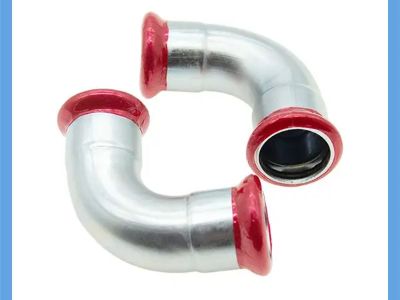
Understanding 316L stainless steel tube sizes is essential for procurement professionals in sectors such as water supply, HVAC, and fire protection. This guide serves as a comprehensive reference for purchasing managers, engineers, and product managers who need reliable information to make informed decisions. The main concerns for B2B buyers typically revolve around product specifications, application suitability, and cost implications. This article will help clarify these aspects, ensuring a smoother procurement process.
Bulk Order Considerations for 316L Stainless Steel Tube Sizes
When placing bulk orders for 316l stainless steel tube, several factors must be taken into account. First, it is crucial to establish the required sizes and specifications for your specific application. In addition to standard sizes, many manufacturers allow for custom dimensions, which can be tailored to fit unique project requirements.
Minimum Order Quantity (MOQ) is another critical consideration. Suppliers like CHNCON may have specific MOQs for various sizes, impacting procurement strategies. Understanding the production capacity and lead times is essential, as bulk orders typically require longer processing times and careful scheduling to ensure timely delivery.
Lastly, consider the packaging and shipping methods. Proper packaging is vital to prevent damage during transit, especially when dealing with larger orders. Engaging with your supplier to discuss the best practices for packaging can help mitigate any potential risks.
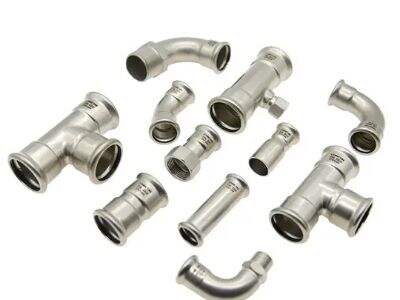
A Buyer’s Perspective
From a buyer's perspective, the procurement process for 316L stainless steel tubes involves several key steps. First, it’s essential to gather complete specifications, including dimensions, wall thickness, and surface finish. Buyers should also assess the material properties of 316L stainless steel, known for its corrosion resistance and strength, making it suitable for various applications.
Next, evaluating supplier capabilities is crucial. Look for manufacturers with proven experience and quality control processes, such as those implemented by CHNCON. A supplier's ability to deliver consistent quality across different batches can significantly impact project outcomes.
Finally, establishing clear communication with suppliers can streamline the purchasing process. This includes discussing lead times, customizations, and any quality inspection protocols that may be necessary before mass production. Buyers should always verify that the supplier can meet their specific requirements. 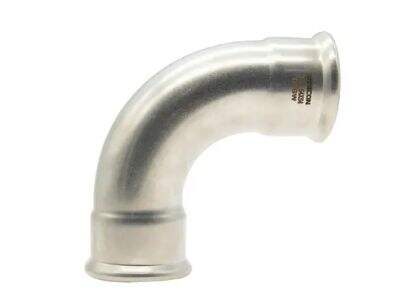
Key Factors
Several key factors influence the procurement of 316L stainless steel tubes. Firstly, understanding the application is paramount. Different applications may demand specific sizes, tolerances, and finishes, affecting the overall performance of the tubes. For instance, tubes used in fire protection systems may require higher pressure ratings and thicker walls compared to those used in HVAC systems.
Material selection is another significant factor. While 316L stainless steel is widely recognized for its durability and resistance to pitting and crevice corrosion, it’s important to ensure that the selected grade meets the necessary performance standards for your application. Additionally, consider any relevant certifications, such as ASTM or ISO, that may be required for specific industries.
Quality control processes should also be a priority. Buyers should inquire about the supplier's testing methods and quality assurance measures. Regular inspections and compliance with industry standards can help mitigate risks associated with product quality.
Installation Guidelines for 316L Stainless Steel Tubes in Various Applications
Installation of 316L stainless steel tubes requires careful planning and execution to ensure optimal performance. Key installation guidelines include:
Preparation: Before installation, inspect the tubes for any damage or defects. Ensure that the ends are cut square and free from burrs to facilitate proper connections.
Joining Methods: Familiarize yourself with the appropriate joining methods for your specific application. Common techniques include welding, threaded connections, and flanged joints. Each method has its own requirements regarding preparation and execution that can affect the integrity of the installation.
Support and Spacing: Proper support is crucial to prevent sagging or misalignment. Follow industry standards for spacing and support locations based on the size and weight of the tubes.
Environmental Considerations: Be mindful of the environment in which the tubes will be installed. Factors such as temperature extremes, exposure to chemicals, and humidity can all impact the performance of stainless steel tubes.
By adhering to these guidelines, you can help ensure a successful installation that meets safety and performance standards.
Understanding Cost Factors for 316L Stainless Steel Tubes in Bulk Orders
Cost factors for 316l stainless steel tube can vary significantly based on several parameters. The primary elements affecting pricing include:
Material Costs: The price of raw materials fluctuates based on market conditions. As 316L stainless steel is an alloy with specific properties, understanding the current market price can provide insight into overall costs.
Customization: Custom sizes and specifications typically incur additional costs. Ensure that your requirements are clearly communicated to avoid unexpected charges.
Volume Discounts: Ordering in bulk often qualifies for discounts. However, it's essential to balance the benefits of lower prices against the potential for excess inventory.
Transport and Delivery: Shipping costs can also impact the overall price. Consider the delivery location and any associated logistics when evaluating total procurement costs.
Quality Assurance Measures: Additional costs may arise from quality inspections and certifications. While these may seem like extra expenses, they play a crucial role in ensuring the reliability of the tubes.
By understanding these cost factors, buyers can make more informed decisions that align with their budget and project needs.