
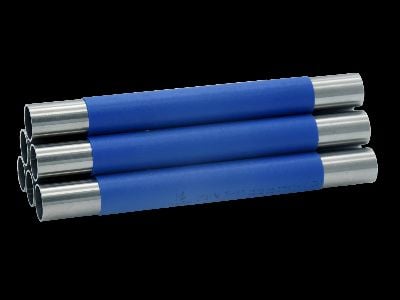
Choosing the right type of stainless steel pipe can greatly impact your project's success, especially when deciding between 304 and 316 grades. This article, "304 vs. 316 Stainless Steel Pipe: Which Grade Fits Your Application?" aims to clarify the differences between these two popular stainless steel grades, addressing key concerns for purchasing managers, engineers, and industrial buyers. We will explore their properties, applications, and how to evaluate quality, helping you make an informed purchasing decision.
Choosing Between 304 and 316 Stainless Steel Pipe for Your Needs
When considering 304 vs. 316 stainless steel pipes, it's essential to understand the core differences in their composition and suitability for specific applications.
304 Stainless Steel is primarily composed of 18% chromium and 8% nickel, making it highly resistant to oxidation and corrosion in a variety of environments, particularly in non-chloride environments. It is often used in applications such as food processing, chemical handling, and architectural structures due to its excellent weldability and formability.
316 Stainless Steel, on the other hand, contains molybdenum (about 2-3%), which enhances its resistance to pitting and crevice corrosion, especially in chloride environments like marine applications. This makes 316 the preferred choice for applications in coastal areas, chemical processing, and medical devices.
In summary, if your project involves exposure to harsh environments or chloride solutions, stainless steel pipe is likely the better option. However, for general-purpose applications, 304 may suffice and can be a more cost-effective choice.
How to Evaluate Quality in 304 and 316 Stainless Steel Pipes?
Quality evaluation is crucial when selecting stainless steel pipes. Here are some key factors to consider:
Chemical Composition: Ensure that the pipes meet the specific chemical requirements for 304 or 316 grades. This can usually be verified through mill certificates or material test reports.
Mechanical Properties: Consider tensile strength, yield strength, and elongation. These properties can affect the pipe's performance under stress and in high-pressure applications.
Surface Finish: The surface quality can impact corrosion resistance. Look for uniformity, absence of pits, and smooth finishes, which can indicate better manufacturing practices.
Certifications: Verify that the manufacturer complies with industry standards such as ASTM A312 for seamless and welded stainless steel pipes. Certifications from recognized standards organizations ensure that the products meet safety and quality benchmarks.
Inspection Procedures: Understand the quality control processes the manufacturer employs. Regular inspections and testing during production can significantly enhance product reliability.
By focusing on these aspects, you can ensure that the stainless steel pipes you purchase are of high quality and suitable for your intended application.
304 vs. 316 Stainless Steel Pipe for Wholesale Buyers
Wholesale buyers often face unique challenges when sourcing stainless steel pipes. Here’s what to consider when comparing 304 vs. 316 stainless steel pipes:
Pricing: Generally, 304 stainless steel is less expensive than 316 due to the lower cost of its raw materials. However, 316's enhanced properties may justify the cost in applications where corrosion resistance is critical.
Lead Time: Depending on the manufacturer, 304 stainless steel pipes may have shorter lead times due to higher availability compared to 316. Be sure to inquire about stock levels and production schedules when placing bulk orders.
Customization: Evaluate whether the supplier can customize stainless steel press pipes dimensions and properties to fit specific project requirements. This could include changes in thickness, length, or surface finishes based on your application needs.
Minimum Order Quantities (MOQ): Ensure that the supplier’s MOQ aligns with your purchasing strategy. You may find that some suppliers have different MOQs for 304 and 316 pipes.
By understanding these factors, wholesale buyers can make informed decisions that align with their budget and project requirements.
When to Use 304 or 316 Stainless Steel Pipe?
Choosing between 304 and 316 stainless steel pipes ultimately depends on the application:
Use 304 Stainless Steel Pipe When:
The environment is not prone to chloride exposure, such as in indoor applications or food processing.
Cost-effectiveness is a priority.
Aesthetic appearance is important, as 304 offers a bright and appealing finish.
Use 316 Stainless Steel Pipe When:
The application involves exposure to seawater or chloride-rich environments, such as marine applications or chemical processing plants.
Enhanced strength and resistance to corrosion are necessary, particularly in harsh conditions.
Long-term durability is critical, as 316 stainless steel press fittings typically have a longer lifespan in challenging environments.
By assessing the specific requirements and environmental conditions of your project, you can make a more informed decision about which stainless steel pipe grade to select.
Common Problems with 304 and 316 Stainless Steel Pipe and Solutions
While stainless steel pipes are known for their durability, common issues can arise during their use. Here are some problems and potential solutions:
Corrosion: While both 304 and 316 pipes resist corrosion, they are not immune. In chloride environments, 304 may suffer from pitting. To mitigate this risk, consider using 316 pipes or applying protective coatings.
Weld Quality: Poor welding can lead to weak joints, which may fail under pressure. Ensure that qualified personnel perform all welding, and conduct visual inspections as well as non-destructive testing (NDT) to confirm joint integrity.
Surface Contamination: Contaminants can affect the corrosion resistance of stainless steel. Regular cleaning and proper storage can help prevent surface contamination during transport and installation.
Dimensional Variability: Inconsistent dimensions can lead to installation issues. Confirm dimensions and tolerances with the manufacturer before placing orders, and request samples if necessary.
By proactively addressing these common issues, you can ensure a smoother installation process and longer-lasting performance of your stainless steel pipes. Understanding the differences between 304 and 316 stainless steel pipes is essential for making informed purchasing decisions. By evaluating quality, considering application needs, and being aware of common problems, you can select the right grade that aligns with your project requirements.