
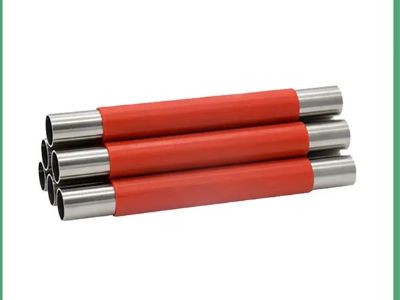
Understanding the differences between 304L tubing and 304 tubing is crucial for B2B buyers in manufacturing, construction, and engineering sectors. This article explores the key differences that impact material selection, application suitability, and overall performance. Buyers often seek clarity on specifications, compatibility, and cost factors when evaluating stainless steel tubing options. By the end of this article, you will have a clearer understanding of how to make informed purchasing decisions regarding 304L and 304 tubing.
Understanding the Key Differences Between 304L Tubing and 304 Tubing
304L and 304 stainless steel tubing are both part of the austenitic family of stainless steels, but they possess distinct characteristics that can influence their performance in various applications. The primary difference lies in their carbon content: 304L has a lower carbon content (up to 0.03%) compared to 304 tubing (which can contain up to 0.08% carbon). This lower carbon content in 304L results in improved corrosion resistance, particularly in welded areas, making it a preferred choice in applications where weld integrity is crucial.
Furthermore, 304L tubing and Press Toolscan be used in applications that require higher resistance to intergranular corrosion, which occurs when the grain boundaries of the metal are poorly protected. In contrast, 304 tubing is often favored for its strength and ability to withstand a wider range of temperatures, but it may require post-weld annealing in certain situations to restore corrosion resistance.
When considering the specifications for both types, buyers should also pay close attention to their mechanical properties. While both grades offer similar tensile strength, 304L has slightly lower yield strength. Understanding these nuances allows buyers to choose the right tubing based on the specific demands of their applications. 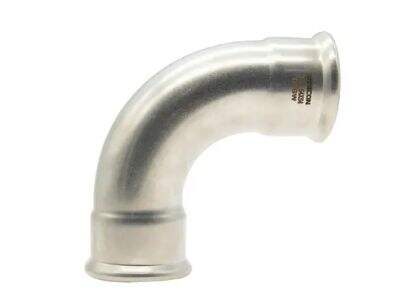
304L vs. 304 Tubing for Industrial Applications
In industrial settings, the choice between 304L and 304 tubing can significantly affect performance and durability. For example, 304L tubing is commonly used in chemical processing, food and beverage production, and pharmaceutical applications, where corrosion resistance is paramount. Its ability to maintain integrity after welding makes it ideal for projects involving complex piping systems.
On the other hand, 304 tubing is frequently used in applications that require enhanced strength and durability, such as in structural components and heavy machinery. Its higher carbon content allows it to withstand higher temperatures and stresses, making it suitable for high-load applications.
When selecting between the two, buyers should consider the specific environmental conditions, operational stresses, and regulatory requirements of their projects. For instance, in environments exposed to chlorides or other corrosive elements, opting for 304L may reduce the risk of pitting and enhance the lifespan of the installation.
Where to Source Reliable Suppliers for 304L and 304 Tubing
Finding reliable suppliers for 304L and 304 tubing is essential for ensuring quality and consistency in your projects. Look for manufacturers with a proven track record in the industry, such as CHNCON, which has over 20 years of experience in producing stainless steel products. Verified certifications, such as ISO 9001, can also indicate a commitment to quality control and manufacturing excellence.
In addition to certifications, buyers should consider suppliers that offer transparent information on their manufacturing capabilities, including their production processes and lead times. It is advisable to request samples before placing bulk orders to assess the quality of the tubing firsthand. Engaging with suppliers who can provide detailed specifications and customization options will ensure that the products meet your specific application needs.
Online platforms, industry trade shows, and networking events are also effective avenues for connecting with potential suppliers. Building relationships with multiple suppliers can enhance your options for pricing and lead times, ultimately benefiting your procurement strategy.
Cost Factors for 304L and 304 Tubing
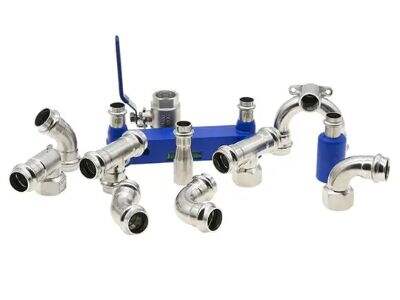
Cost is a significant consideration when purchasing 304L and 304 tubing. Several factors influence the pricing of these materials, including raw material costs, manufacturing processes, and market demand. Typically, 304L tubing and Press Ball Valves and Mainfoldmay be priced slightly higher than 304 tubing due to its enhanced corrosion resistance properties and the technical challenges associated with its production.
Buyers should also consider the total cost of ownership, which includes installation, maintenance, and the lifespan of the product. In applications where corrosion resistance is critical, the initial higher cost of 304L may result in lower maintenance expenses over time, justifying the investment.
Moreover, purchasing in bulk can often lead to better pricing and reduced lead times. Always ensure to communicate your specific project needs to suppliers to receive the most accurate quotations.
Common Problems with 304 Tubing and Solutions to Consider
While 304 tubing is widely used and valued for its strength, it is not without its challenges. A common issue involves the susceptibility to corrosion, particularly in environments with high chloride exposure. To mitigate this, buyers should consider applying protective coatings or switching to 304L tubing in such environments.
Another potential problem is the occurrence of weld cracking, especially if the tubing is not properly engineered for the specific application. Buyers should ensure that welding procedures are well-defined and that the right filler materials are used to maintain the integrity of the welds.
Regular quality inspections are essential to identify any defects early in the manufacturing process. Buyers should engage with their suppliers to establish clear quality assurance protocols and ensure that the final products meet the necessary specifications before mass production.
In summary, understanding the differences between 304L and 304 tubing, exploring reliable suppliers, considering cost factors, and being aware of common issues can significantly enhance the purchasing experience for B2B buyers. By arming yourself with the right knowledge, you can make informed decisions that lead to successful project outcomes.