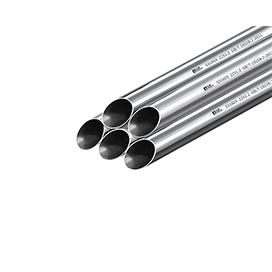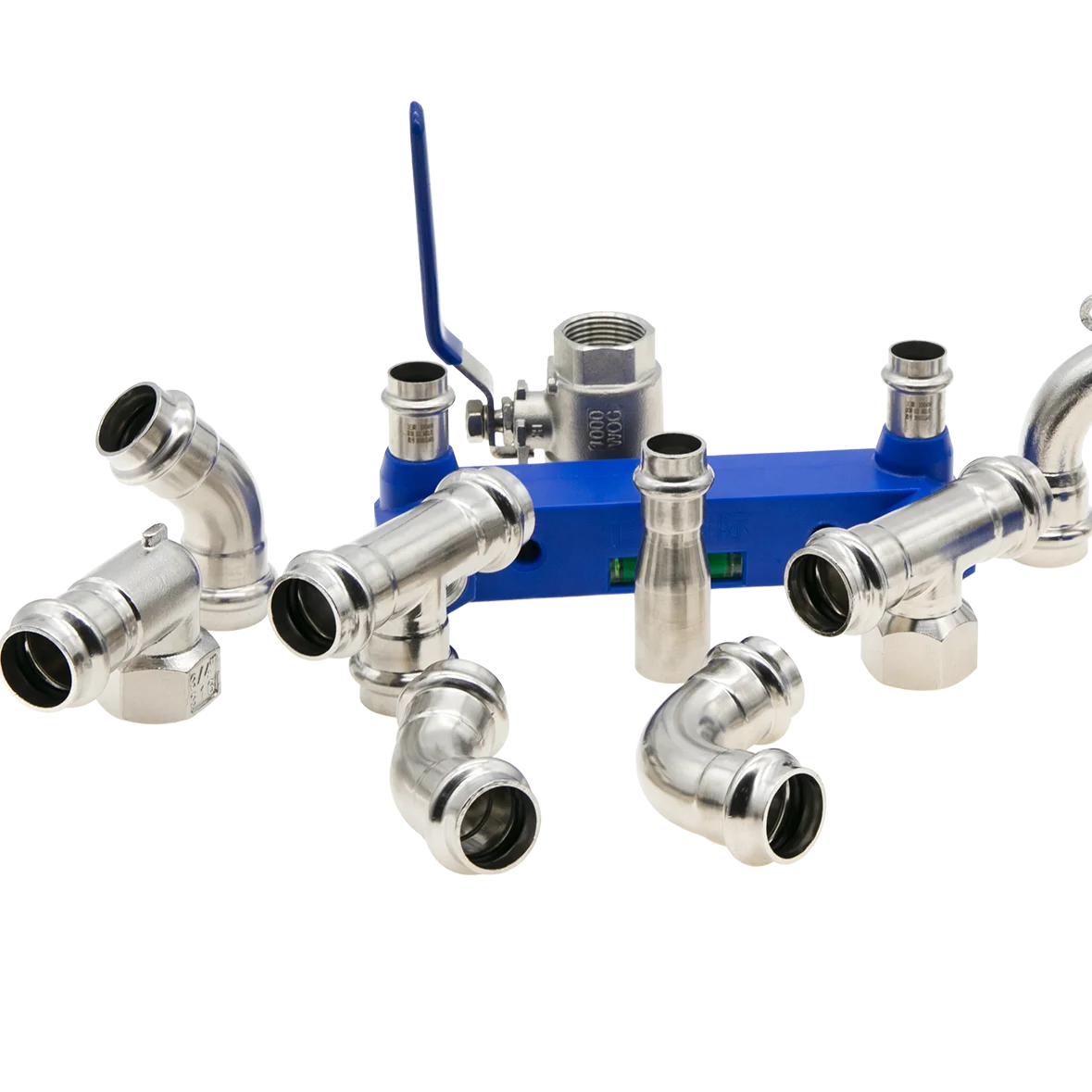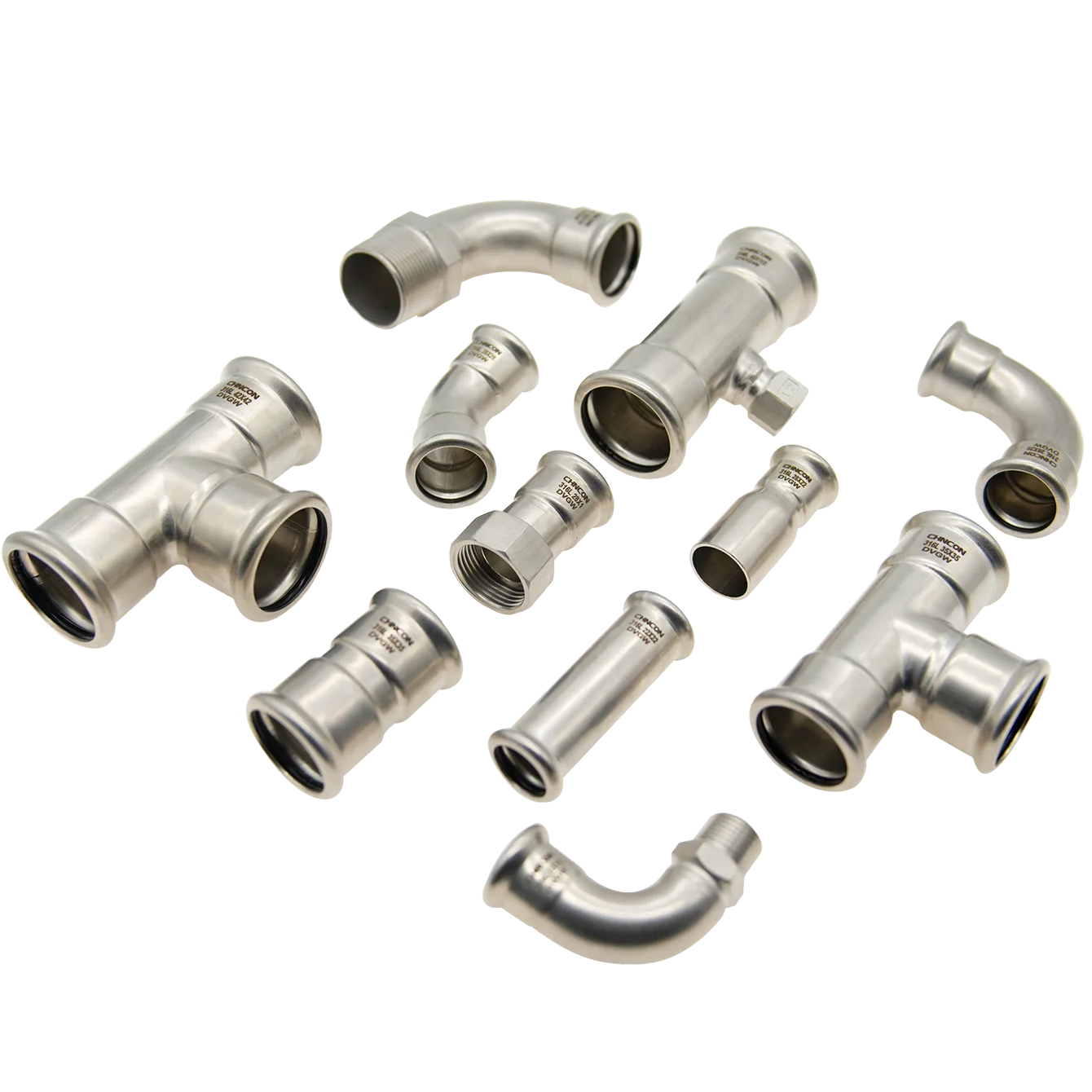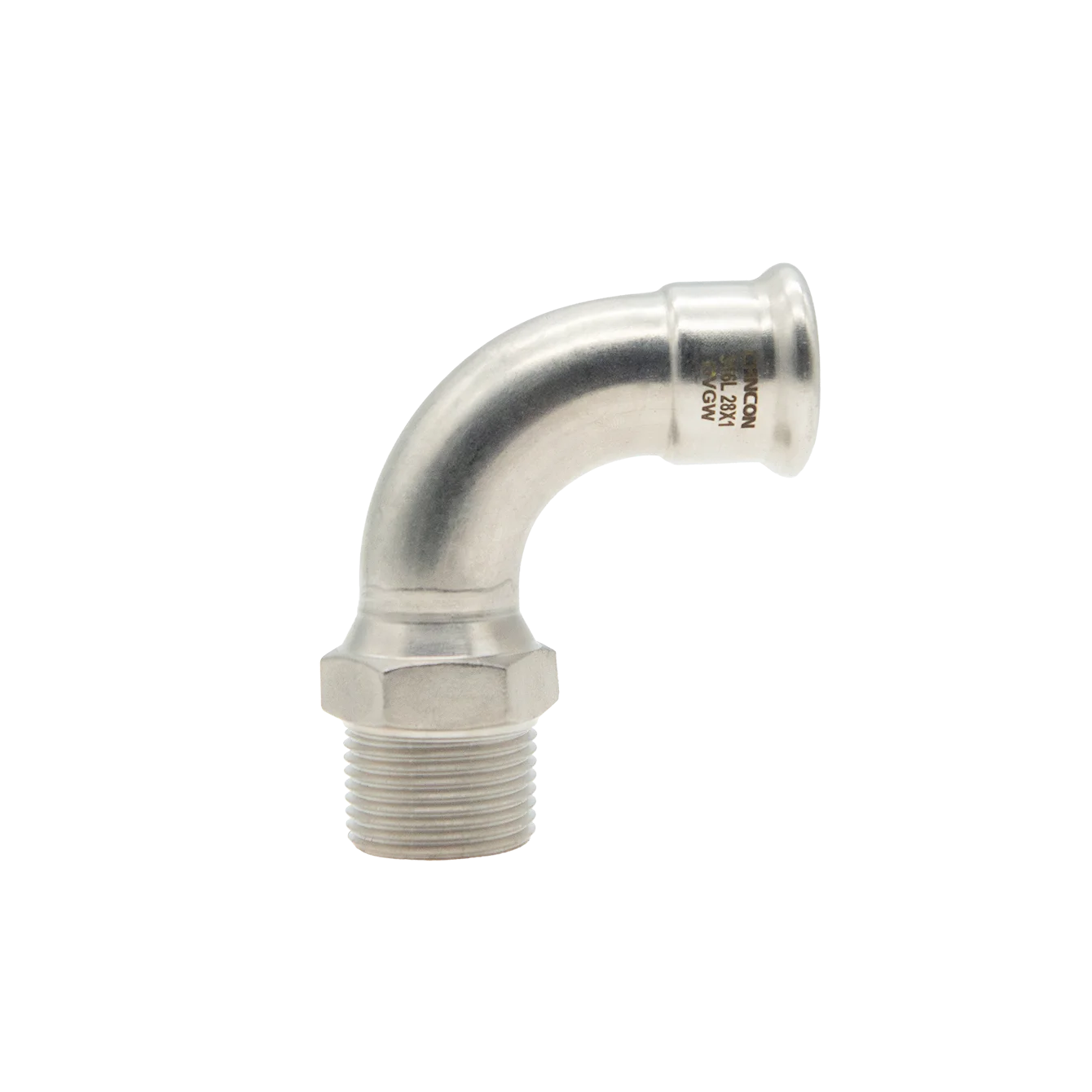
Stainless steel flexible pipes are vital components in various industrial applications, providing the necessary adaptability and durability for fluid transport. When selecting stainless steel flexible pipes for your projects, buyers often prioritize quality, compatibility, and performance under specific conditions. This article aims to guide purchasing managers, engineers, and product managers through the essential aspects of choosing, sourcing, and evaluating stainless steel flexible pipes to meet their project requirements effectively.
When choosing SS flexible pipe, consider the application and environment in which they will be used. Key factors include the pipe’s diameter, length, and bending radius, which should align with the system design. The material grade commonly 304 or 316 stainless steel plays a crucial role in corrosion resistance and strength. For instance, 316 stainless steel offers better resistance to chlorides, making it suitable for marine or chemical applications.
Additionally, ensure that the pipe's pressure rating meets or exceeds the requirements of your application. For high-pressure systems, a thicker wall may be necessary. It's also essential to evaluate the flexibility and fatigue resistance of the pipe, especially in dynamic environments where movements are expected. Samples should be tested under actual operating conditions to confirm performance before finalizing your selection.
Understanding the specifications of stainless steel flexible pipes is crucial for ensuring they meet project requirements. Key specifications include:
Diameter: The internal and external diameters directly influence flow rates and compatibility with existing systems. Ensure that these dimensions are compatible with fittings and connectors.
Wall Thickness: A thicker wall enhances durability and pressure rating but may reduce flexibility. Balancing these factors based on application needs is essential.
Bending Radius: This specification indicates the minimum radius the pipe can bend without compromising its integrity. A smaller bending radius allows for tighter installations but may restrict flow characteristics.
Pressure Rating: This rating indicates the maximum pressure the pipe can withstand without failure. It is vital to select a pipe with a pressure rating that exceeds the operational pressure of the system.
Temperature Resistance: Depending on the fluid transported, the pipe must withstand varying temperatures. Confirm the maximum temperature rating to prevent deformation or failure.
Material Grade: The choice between 304 and 316 stainless steel can significantly impact corrosion resistance and overall performance. Choosing the appropriate grade based on the application environment is crucial.
When purchasing stainless steel pipes wholesale, several factors can influence the buying decision:
Minimum Order Quantity (MOQ): Different manufacturers have varying MOQs. Ensure that the quantity aligns with your project needs and budget.
Customization Capabilities: Many manufacturers offer customization options. Discuss specific requirements, such as length, diameter, and special fittings, to ensure that the final product meets your needs.
Lead Time: Understanding the lead time is essential for project planning. Factors such as order complexity, production capacity, and shipping logistics can affect delivery schedules.
Quality Control: Inquire about the manufacturer’s quality assurance processes, including material inspections, testing methods, and certifications. A reliable supplier should provide documentation of compliance with relevant industry standards.
Pricing Structure: While price is a significant consideration, assess the total cost of ownership. This includes potential shipping fees, duties, and the long-term performance of the pipes. A lower upfront cost may not always translate to better value.
Sourcing reliable stainless steel flexible pipe suppliers involves thorough research and evaluation. Consider the following approaches:
Industry Referrals: Networking within your industry can lead to recommendations for reputable suppliers. Attend trade shows, conferences, or industry meetups to connect with potential partners.
Online Directories: Utilize platforms that list manufacturers and suppliers in the industrial sector. Websites like ThomasNet or Alibaba can provide a range of options.
Supplier Reviews: Evaluate potential suppliers based on customer reviews and testimonials. Previous customer experiences can give insights into the supplier’s reliability and product quality.
Certifications: Look for suppliers with relevant certifications, such as ISO 9001, which indicates a commitment to quality management systems. This can be a strong indicator of the supplier's reliability.
Sample Requests: Before committing to a large order, request samples to evaluate the quality and specifications of the product firsthand. Testing the product in real-world conditions can provide valuable insights.
CHNCON has earned the prestigious reputation in China The quality and service both are the best in the industry. Our company is accredited with ISO9001, OHSAS18001 and ISO14001 certifications, Press fitting, ICC-ES, WRAS, CSTB, WATERMARK etc. We are committed to bringing new pipeline products with significant advantages of healthy, safe, economical and energy-saving to every corner of the globe.
Chncon has been a specialist in stainless steel pipe systems for over 20 years. The facility is 23000 square metres. Chncon offers 4 products, with more than Inox pipes that can meet the requirements of every customer. Chncon has been achieved for more than 30 accreditations at home and overseas.
Chncon has a Stainless steel press pipes RD team that includes more than 10 engineers. We are not limited to providing traditional pipe fittings, but we also provide custom services. We'll provide the best advice and suggestions throughout the development and testing phase of a brand new product to assist you in achieving your goals.
Chncon factory is home to 60 production lines with an outstanding capacity of production which is more than 300 000pcs pipes and fittings monthly produced This gives a high promise of timely delivery In the present Chncon' business have expanded to more than 500 cities in China and exported to more than 50 countries and regions benefiting nearly 20 million facilities Quality efficiency in production and a dvgw press fittings customer service Chncon is an excellent choice in pipeline area.
Several cost factors play a crucial role in the pricing of stainless steel flexible pipes:
Material Costs: The grade of stainless steel selected can significantly impact the price. Higher-grade materials, such as 316 stainless steel, may cost more but offer better performance in harsh environments.
Manufacturing Process: Different production methods can affect pricing. Stainless steel flexible hose pipe manufactured through advanced technologies may come at a premium but offer enhanced durability and flexibility.
Customization Requirements: Customization, such as specific lengths or fittings, can increase costs. Be clear about the necessary specifications to avoid unexpected expenses.
Quantity Discounts: Purchasing in bulk often leads to reduced per-unit costs. Discuss pricing structures with suppliers to identify potential savings on larger orders.
Shipping and Handling: Transportation costs can vary based on distance, shipping method, and packaging requirements. Factor these costs into your overall budget to ensure a comprehensive understanding of total expenses.
Understanding these factors can help you make informed purchasing decisions and identify the best supplier options that align with your project needs and budget constraints.

Copyright © Zhejiang Zhengkang Industrial Co., Ltd. All Rights Reserved - Privacy Policy