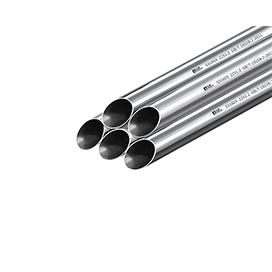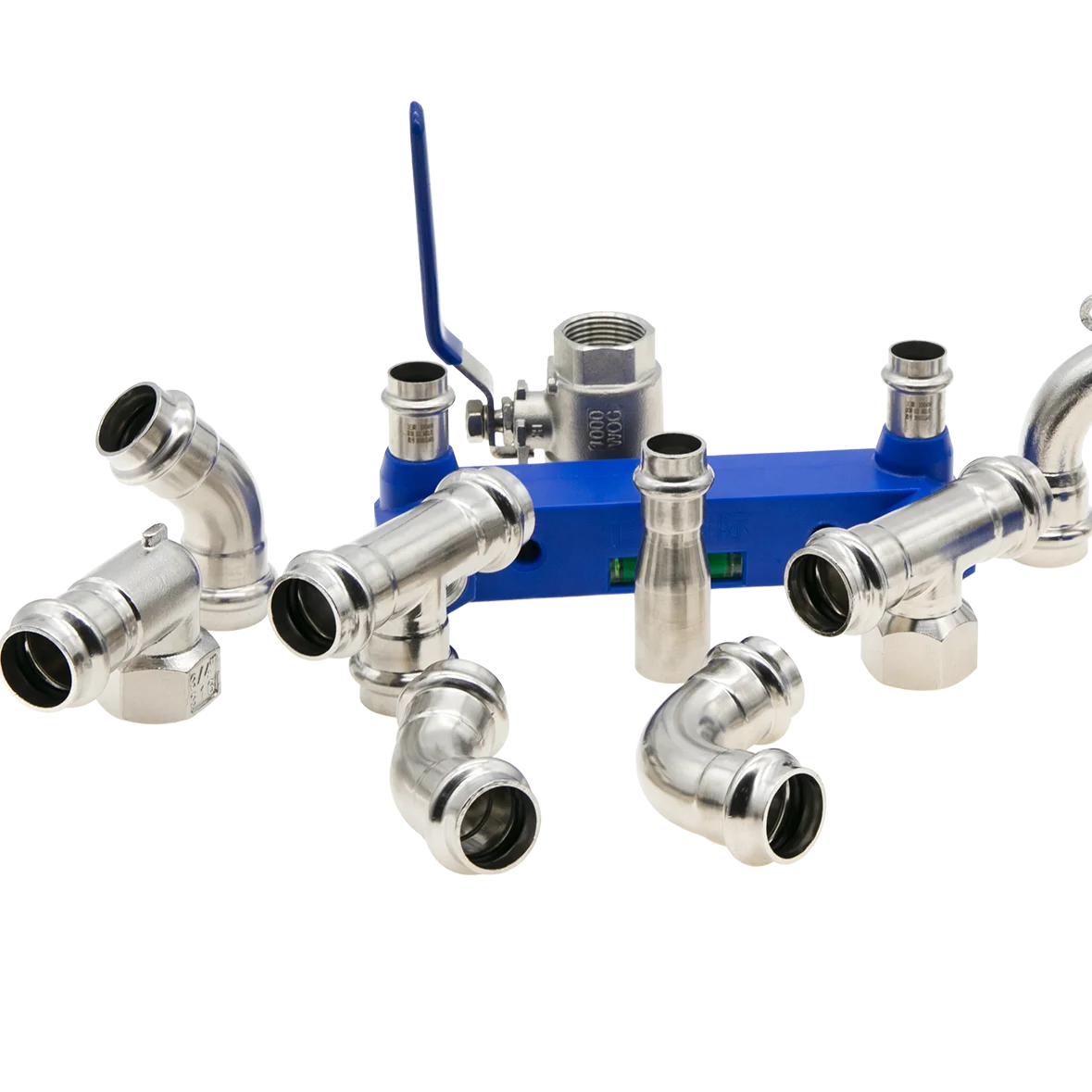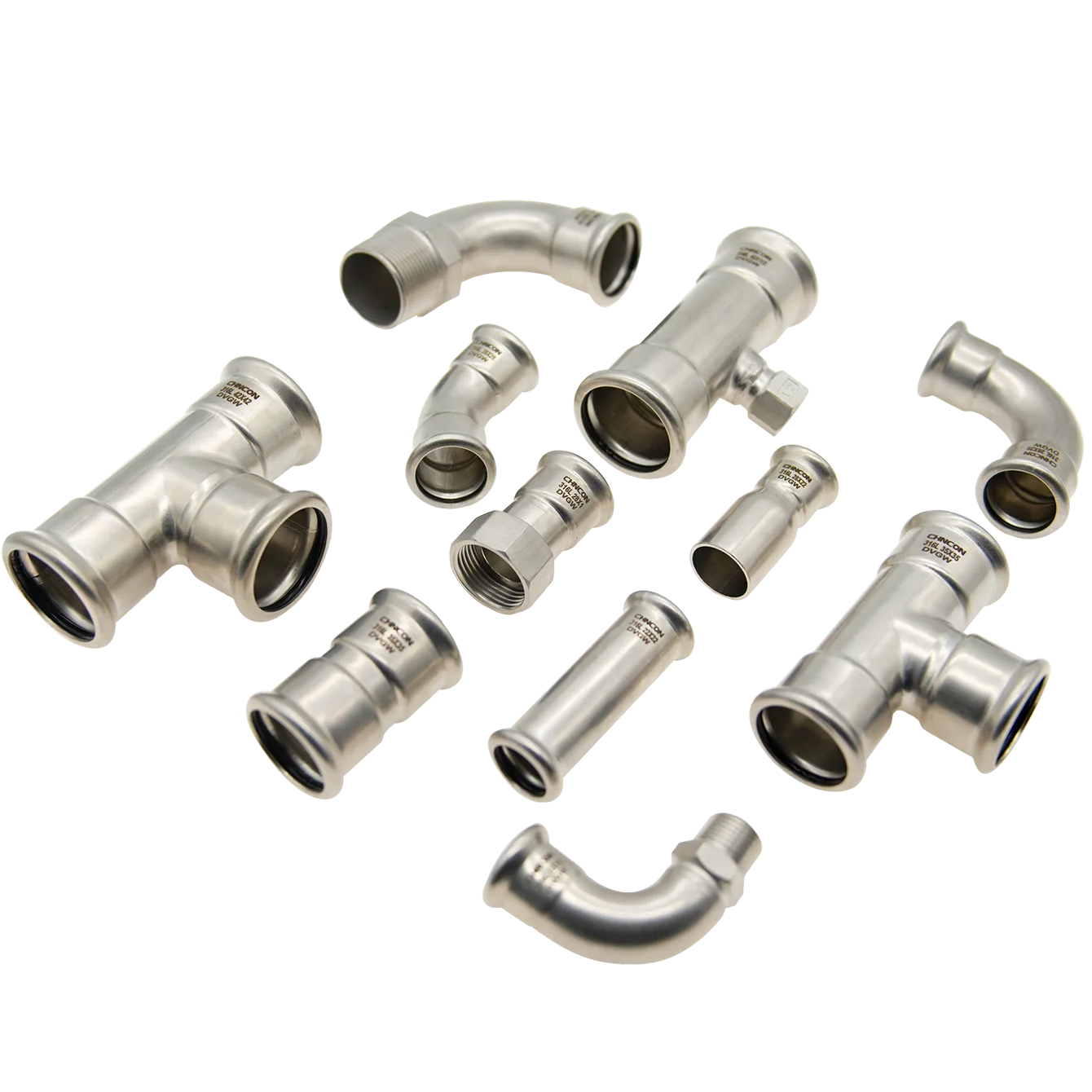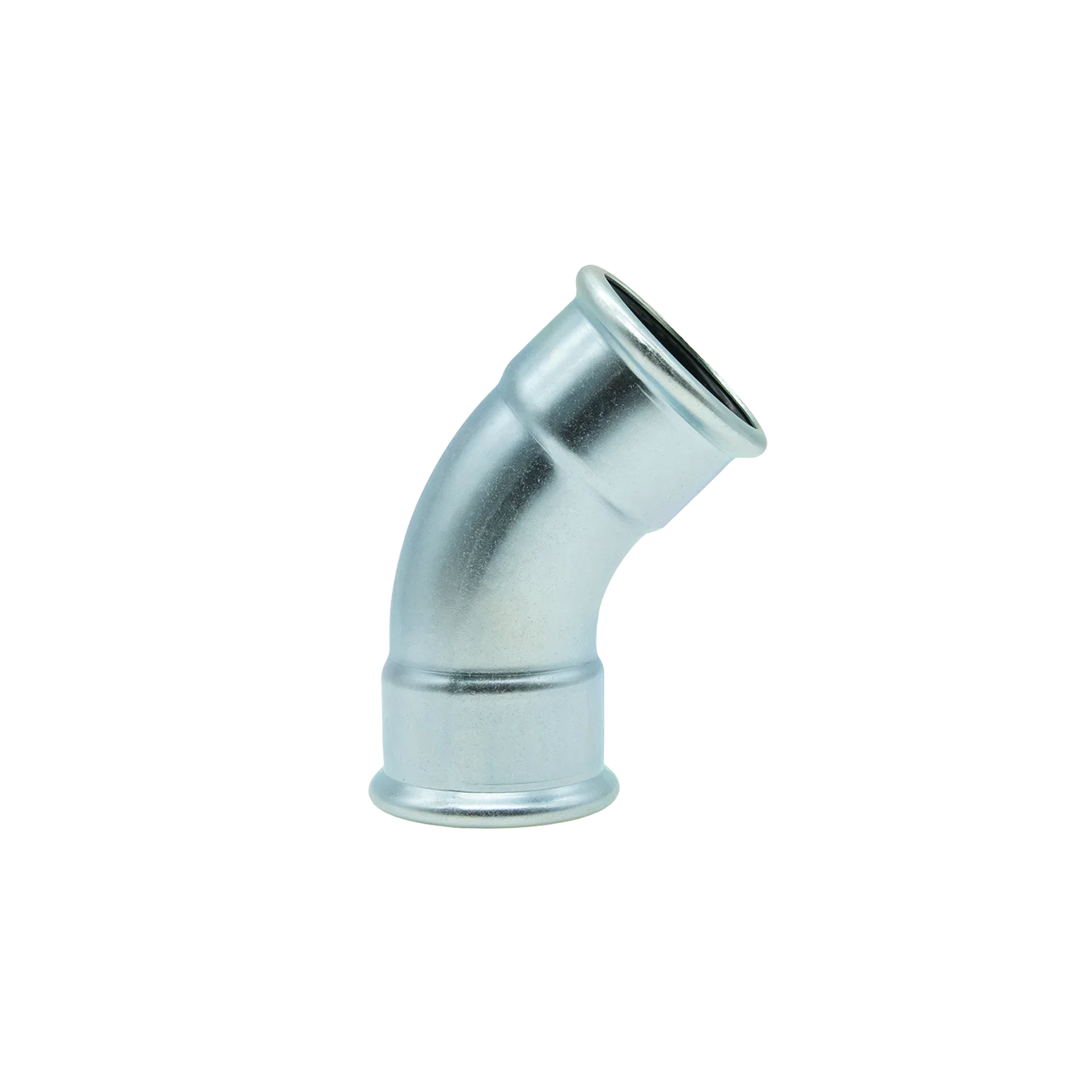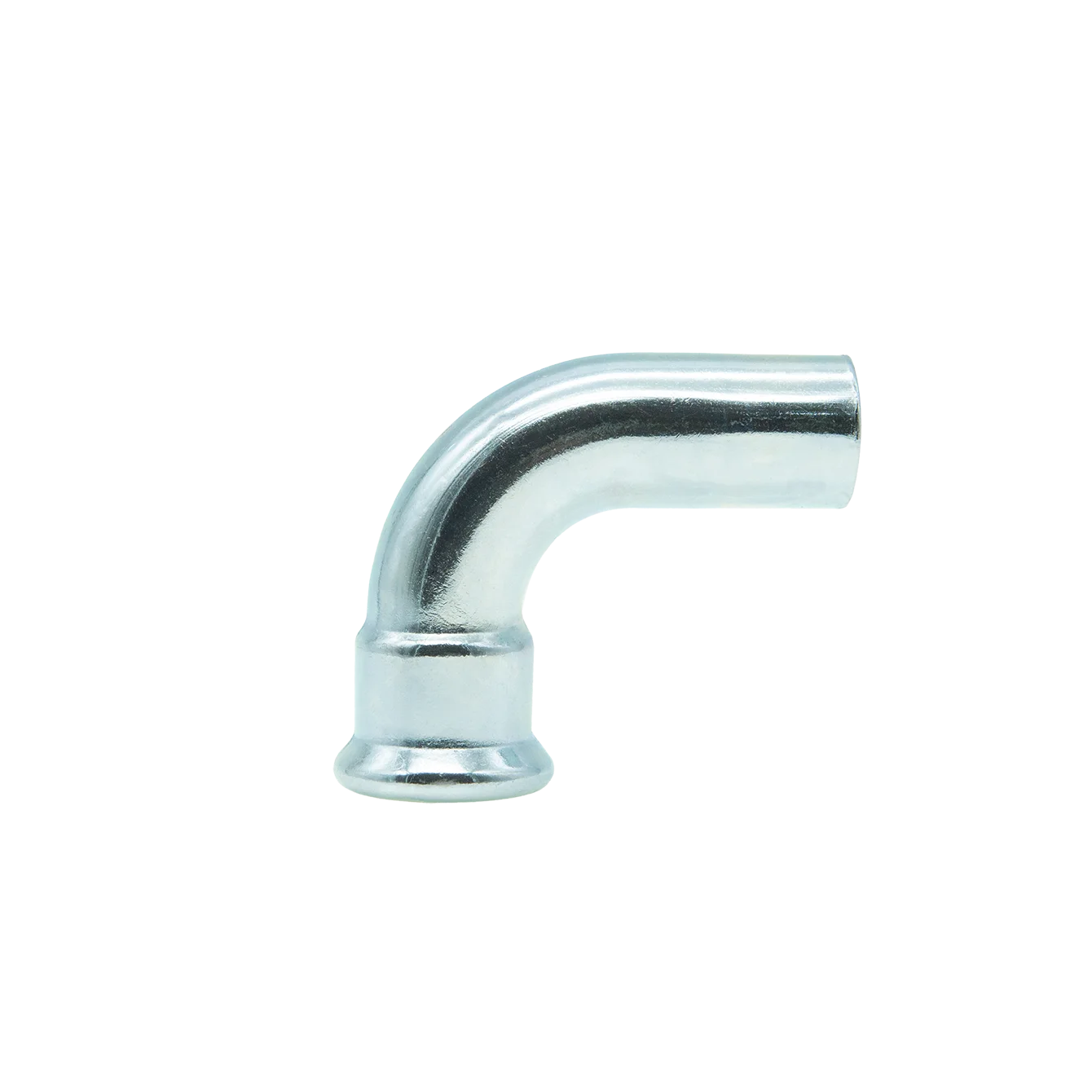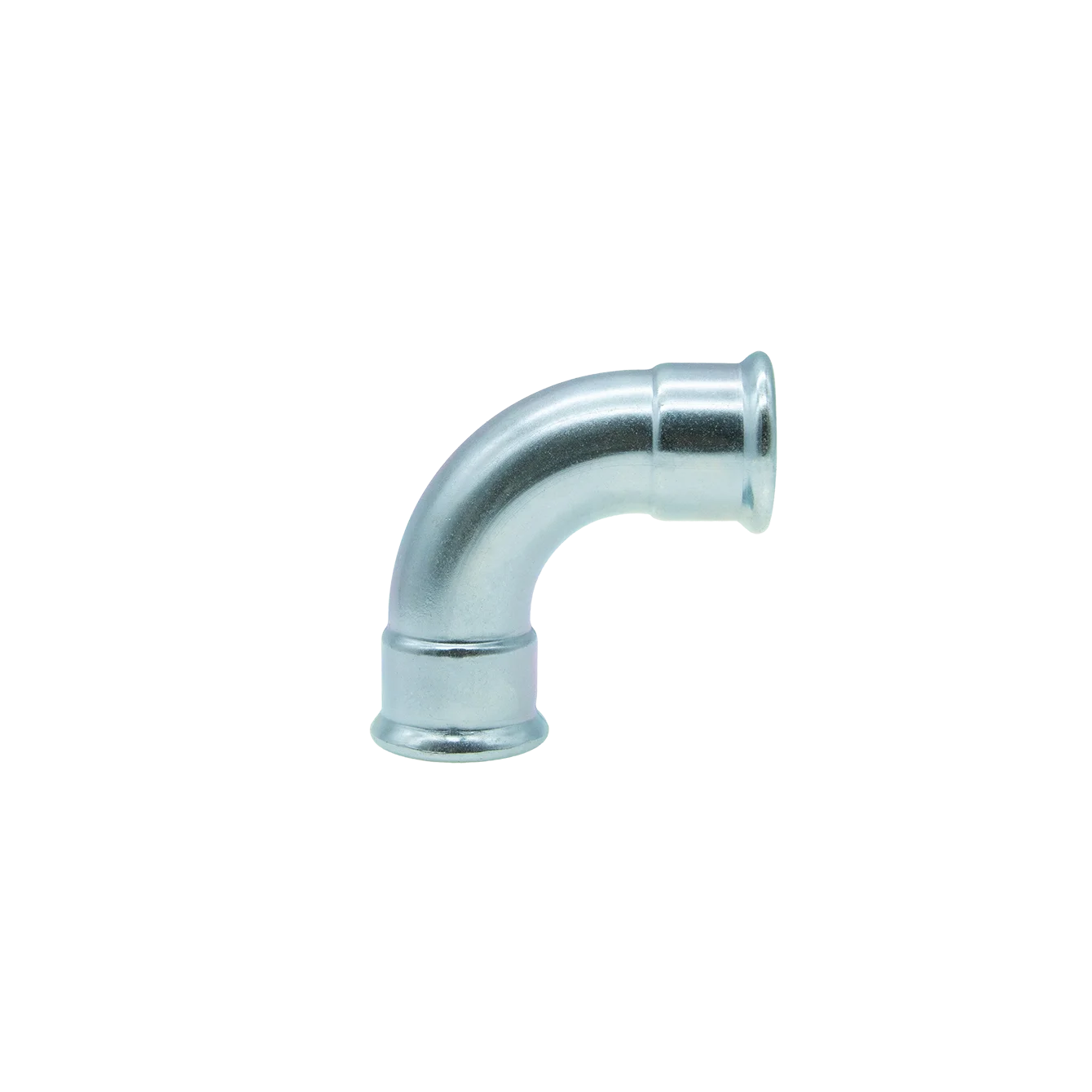
High pressure stainless steel tubing is a critical component in various industrial applications, known for its strength, durability, and resistance to corrosion. As buyers from CHNCON such as purchasing managers and engineers evaluate their options, they often have concerns regarding material specifications, manufacturing processes, and quality control. This article will provide a comprehensive overview of high pressure stainless steel pipe tubing, addressing key specifications, sourcing suppliers, quality standards, common challenges, and applications in different industries.
Understanding the specifications of high pressure stainless steel tubing is essential for making informed purchasing decisions. Key specifications include:
Material Composition: Typically, high pressure stainless steel tubing is made from austenitic stainless steel grades such as 304 and 316. The choice of grade affects corrosion resistance, strength, and suitability for specific environments. For instance, 316 stainless steel offers better resistance to chlorides, making it preferable in marine applications.
Dimensions and Thickness: Tubing dimensions, including outer diameter (OD) and wall thickness, are critical for ensuring compatibility with existing systems. Common wall thicknesses range from 0.035 to 0.120 inches, influencing the tubing's ability to withstand internal pressure.
Pressure Rating: Each stainless steel coil tubing has a defined pressure rating indicating the maximum pressure it can safely handle. This is determined by factors such as material strength and wall thickness. Buyers should ensure that the selected tubing meets or exceeds the pressure requirements of their applications.
Surface Finish: The surface finish can affect the tubing's performance in terms of fluid flow and contamination risk. Common finishes include mill finish, polished, and passivated, each offering different levels of cleanliness and corrosion resistance.
Understanding these specifications helps buyers from CHNCON select the appropriate product for their specific applications, ensuring safety and longevity.
Finding reputable suppliers for high pressure stainless steel tubing requires careful consideration. Here are some steps to identify reliable sources:
Industry Research: Start by researching manufacturers and distributors that specialize in stainless steel products. Look for companies with a proven track record in the industry, such as CHNCON, which has over 20 years of experience in manufacturing stainless steel pipe fittings.
Certifications: Ensure that potential suppliers hold relevant certifications, such as ISO 9001, which indicates a commitment to quality management. Certifications can provide assurance regarding the supplier’s manufacturing processes and product consistency.
Customer Reviews and References: Seek feedback from previous customers or industry peers. Testimonials and case studies can provide insights into the supplier's reliability and the quality of their products.
Sample Requests: Before committing to a large order, request samples to evaluate the product quality firsthand. This allows buyers to inspect dimensions, finishes, and overall craftsmanship, ensuring they meet their requirements.
By following these steps, buyers can identify suppliers who offer high quality and reliable high pressure stainless steel tubing.
Quality standards play a crucial role in ensuring that high pressure stainless steel tubing meets performance and safety requirements. Key standards to consider include:
ASTM Standards: The American Society for Testing and Materials (ASTM) provides a variety of standards relevant to stainless steel tubing, such as ASTM A269 and A270, which specify requirements for seamless and welded tubing intended for general service and sanitary applications, respectively.
ASME Standards: The American Society of Mechanical Engineers (ASME) standards, particularly ASME B31.3, govern the design and application of piping systems in process industries. Compliance with these standards is vital for ensuring safety and performance under high pressure conditions.
International Standards: Depending on the market, international standards such as ISO or EN standards may apply. Familiarity with these can help buyers choose products that are recognized globally for quality and performance.
Quality Control Processes: Suppliers should have robust quality control processes in place, including material testing, dimensional inspections, and pressure testing. Buyers should inquire about the quality assurance procedures employed by potential suppliers.
By understanding and comparing these quality standards, buyers can ensure they select high pressure stainless steel press pipes tubing that meets industry regulations and operational needs.
When working with high pressure stainless steel tubing, several common issues can arise. Recognizing these challenges and knowing how to address them can save time and resources:
Corrosion: While stainless steel is resistant to corrosion, it can still suffer from pitting or crevice corrosion, especially in chloride-rich environments. To mitigate this, ensure the correct grade is selected and consider applying protective coatings or using passive finishes.
Dimensional Inconsistencies: Variations in wall thickness or diameter can affect compatibility and performance. Buyers should request dimensional tolerances from suppliers and verify them against industry standards to ensure proper fit within existing systems.
Weld Quality: Poorly executed welds can lead to leaks or failures under pressure. It's essential to work with experienced fabricators who understand the properties of stainless steel and employ appropriate welding techniques. Requesting weld inspection reports can also provide assurance of quality.
Transport and Handling Damage: Tubing can be damaged during transport or handling, leading to issues once installed. Buyers should ensure that suppliers use appropriate packaging methods and that their own handling practices minimize the risk of damage.
By being aware of these common problems and implementing effective solutions, buyers can enhance the reliability and longevity of their high pressure stainless steel tubing systems.
CHNCON is well-known within China. Quality and the dvgw press fittings are of the highest level. CHNCON has been accredited through ISO9001, OHSAS18001, ISO14001, DVGW, ICC-ES, WRAS, CSTB and WATERMARK certifications and more. We are dedicated to providing new pipeline products with important advantages, including being safe affordable, energy efficient, and environmentally friendly.
Chncon has a skilled Press fitting with more than 10 engineers. We can not only provide conventional pipe fittings, but we also offer custom services. During new product's RD period We will do the best we can to offer our professional suggestions and advice to ensure that your ideas will be fully implemented.
Ss press fitting factory has 60 production lines that have an excellent production capacity of more than 300 000 pieces of fittings and pipes annually produced This means that the delivery date can be well guaranteed Chncon has spread its business to more than 500 Chinese cities and exports to over 50 countries which has benefited more than 20 million families Chncon is a top choice for pipelines is a top quality efficient production times and thoughtful service
Chncon has been a specialist in stainless steel pipe systems for over 20 years. The facility is 23000 square metres. Chncon offers 4 products, with more than Inox pipes that can meet the requirements of every customer. Chncon has been achieved for more than 30 accreditations at home and overseas.
High pressure stainless steel tubing is utilized across a wide range of industries due to its robust properties and versatility. Some common applications include:
Water Supply Systems: In municipal and industrial water supply systems, high pressure stainless steel tubing is essential for transporting water safely and efficiently. Its resistance to corrosion and scaling makes it ideal for potable water applications.
Fire Protection: CHNCON stainless steel tubing is often used in fire protection systems due to its ability to withstand high temperatures and pressures. Its durability ensures reliable operation in critical situations.
HVAC Systems: In heating, ventilation, and air conditioning (HVAC) systems, high pressure stainless steel tubing is used for refrigerant lines and water delivery. Its ability to maintain structural integrity under varying pressure conditions is vital for HVAC efficiency.
Chemical Processing: Industries such as pharmaceuticals and chemicals rely on high pressure stainless steel tubing for transporting corrosive fluids. The material's chemical resistance and high strength make it suitable for these demanding applications.
Understanding the specific applications helps buyers recognize the importance of selecting the right high pressure stainless steel tubing to meet their industry needs effectively.
In summary, high pressure stainless steel tubing is an essential component in various sectors, and understanding its specifications, sourcing reliable suppliers, comparing quality standards, addressing common problems, and recognizing its applications can help buyers make informed purchasing decisions.

Copyright © Zhejiang Zhengkang Industrial Co., Ltd. All Rights Reserved - Privacy Policy