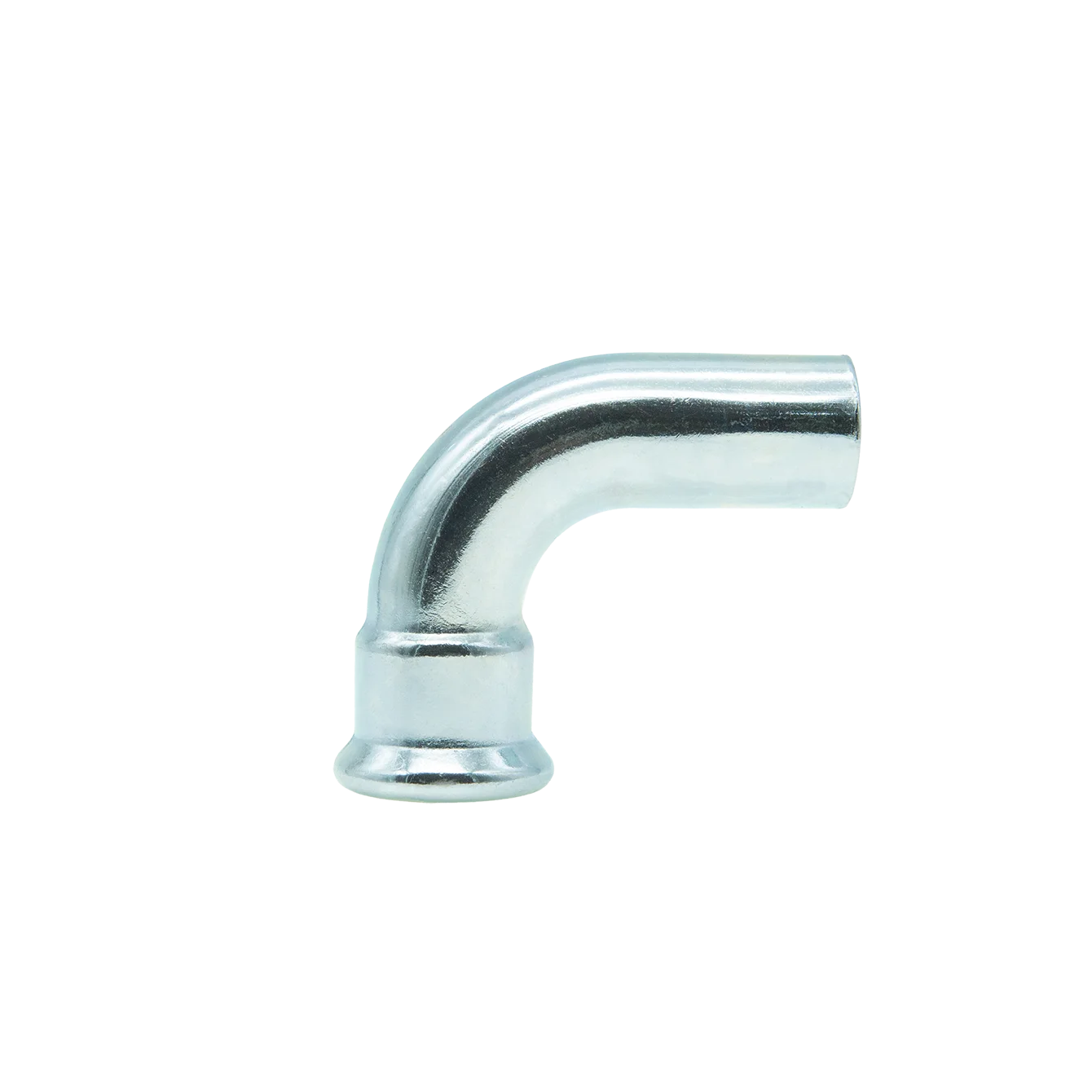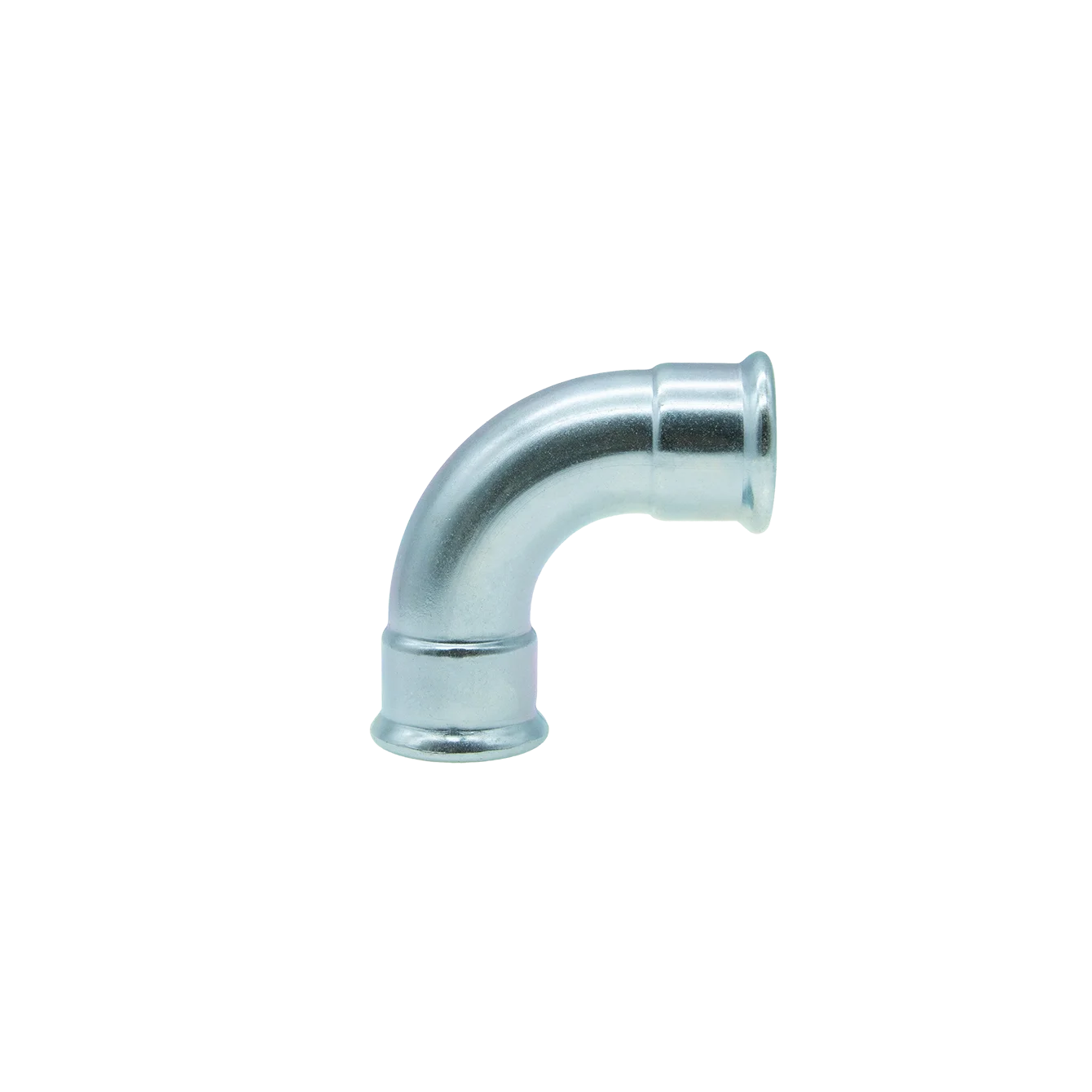
Small steel tubing is a versatile product widely used in various industrial applications, from HVAC systems to water supply lines. As a B2B buyer, understanding the specifications, manufacturing processes, and potential challenges associated with small steel tubing is critical for making informed purchasing decisions. This article will help you navigate the complexities of small steel tubing selection, supplier evaluation, installation issues, and its advantages across different applications, ensuring you can procure the right products for your projects.
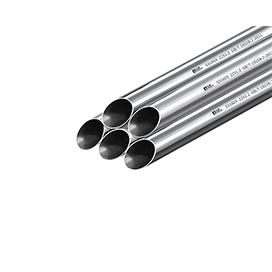
When selecting stainless steel tubing, buyers should consider several key specifications, including material type, dimensions, and intended application. The primary materials used in small steel tubing are carbon steel and stainless steel, each offering unique benefits. Stainless steel is resistant to corrosion and is ideal for applications involving moisture or chemicals, while carbon steel is often preferred for its strength and cost-effectiveness in structural applications. Dimensions are equally important. Buyers must assess the outer diameter, wall thickness, and length requirements to ensure compatibility with existing systems or structures. For example, a thicker wall may be necessary for high-pressure applications, while thinner walls might suffice for low-pressure scenarios. Additionally, understanding the intended use is critical. Small steel tubing is utilized in various settings, such as hydraulic systems, construction frameworks, and fire protection systems. Each application may have specific performance requirements, such as pressure ratings or temperature tolerances, that must be confirmed before finalizing your choice.
Evaluating suppliers for small steel tubing requires a careful approach. Start by reviewing their manufacturing capabilities and experience in producing various tubing types. A supplier with over 20 years of experience, like CHNCON, typically demonstrates a robust understanding of industry standards and quality control processes. Next, inquire about the supplier’s certifications and quality assurance practices. Certifications can indicate adherence to international quality standards, which is crucial for ensuring product reliability. Additionally, assess their production equipment and technology. Advanced manufacturing technologies can lead to more precise dimensions and better overall product quality. Consider the supplier's customization capabilities, as many projects may require specific dimensions or material properties. A competent supplier should be able to accommodate custom orders, including variations in wall thickness or special finishes. Lastly, request references or case studies from previous clients to gauge their satisfaction with the supplier’s products and customer service. This feedback can provide insight into the supplier’s reliability and responsiveness.
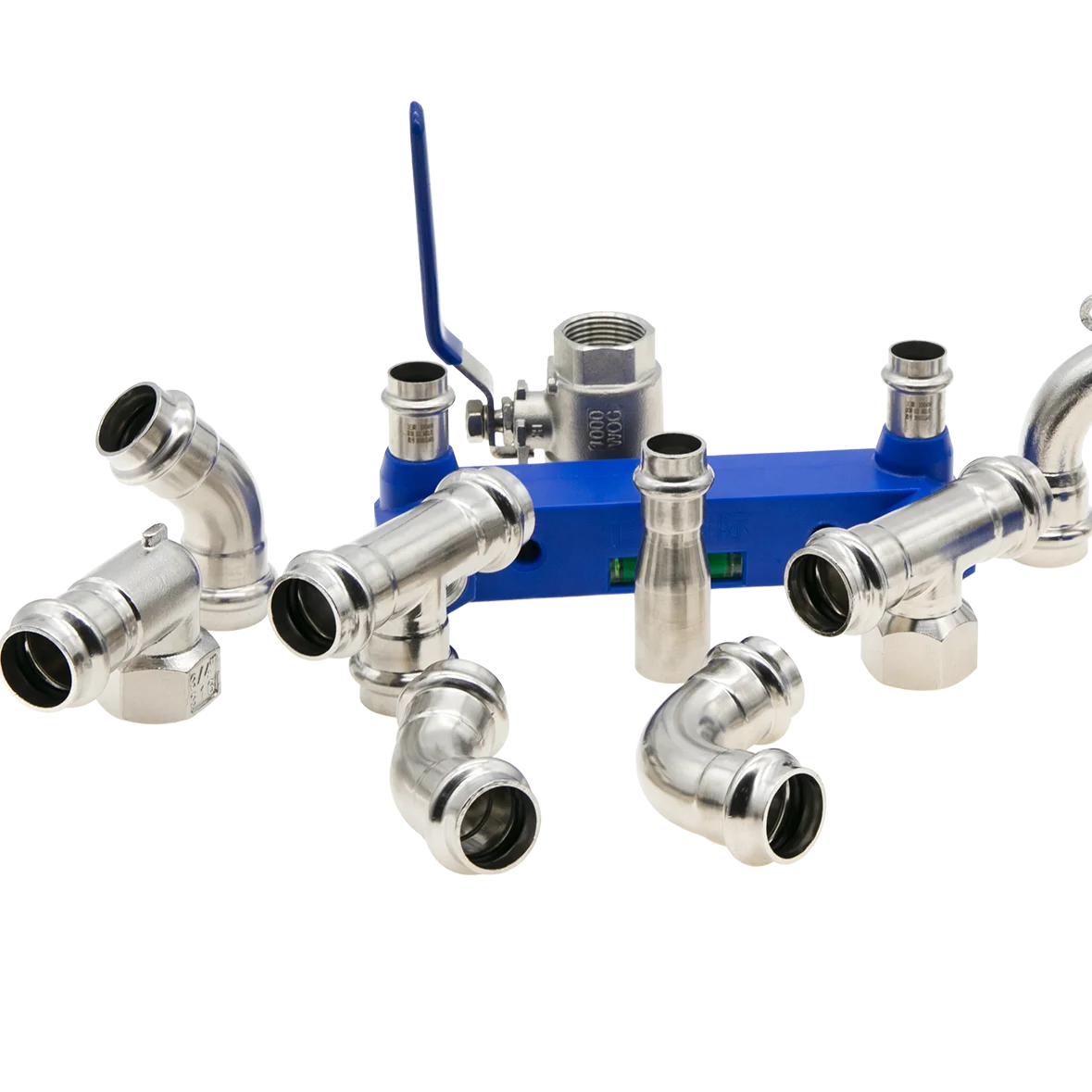
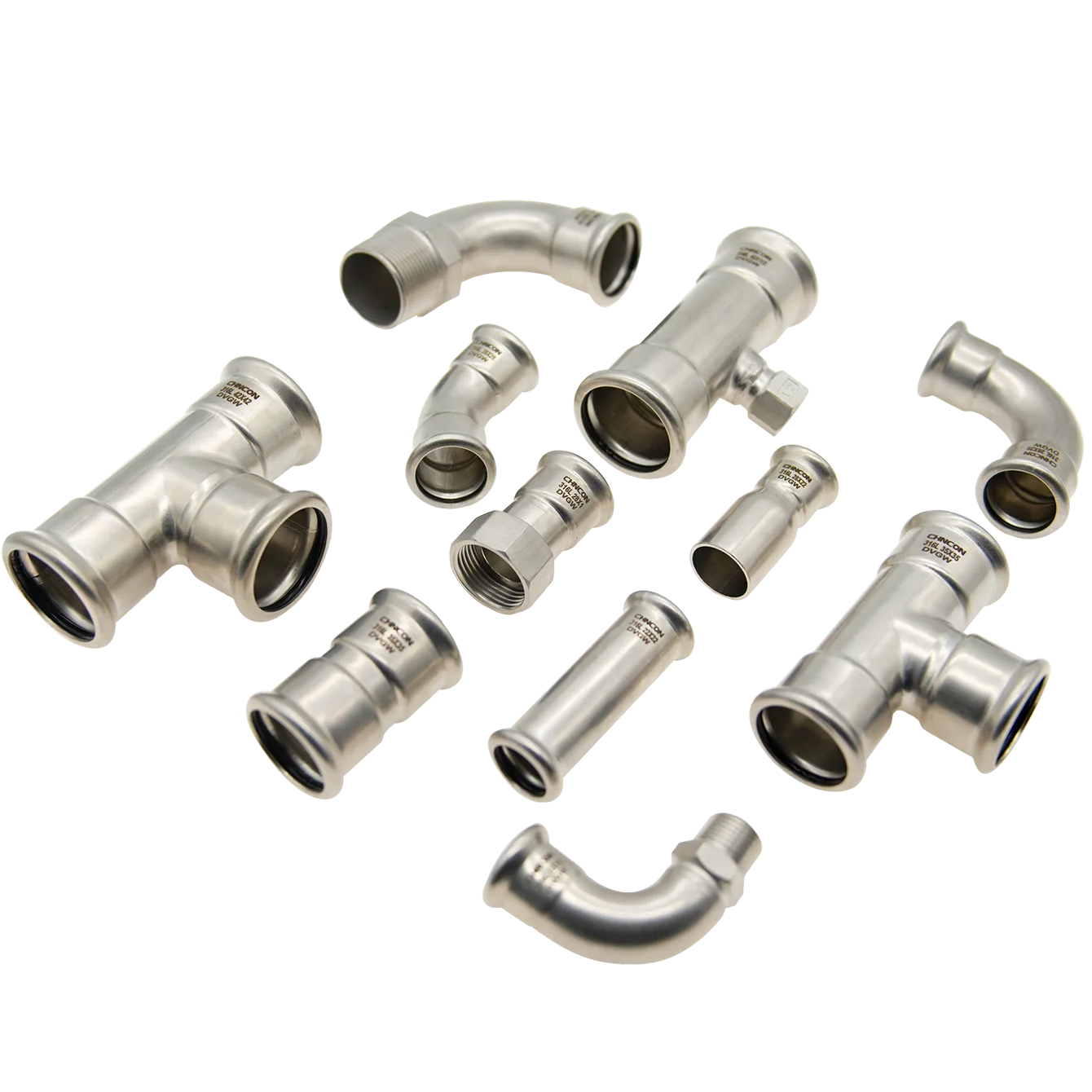
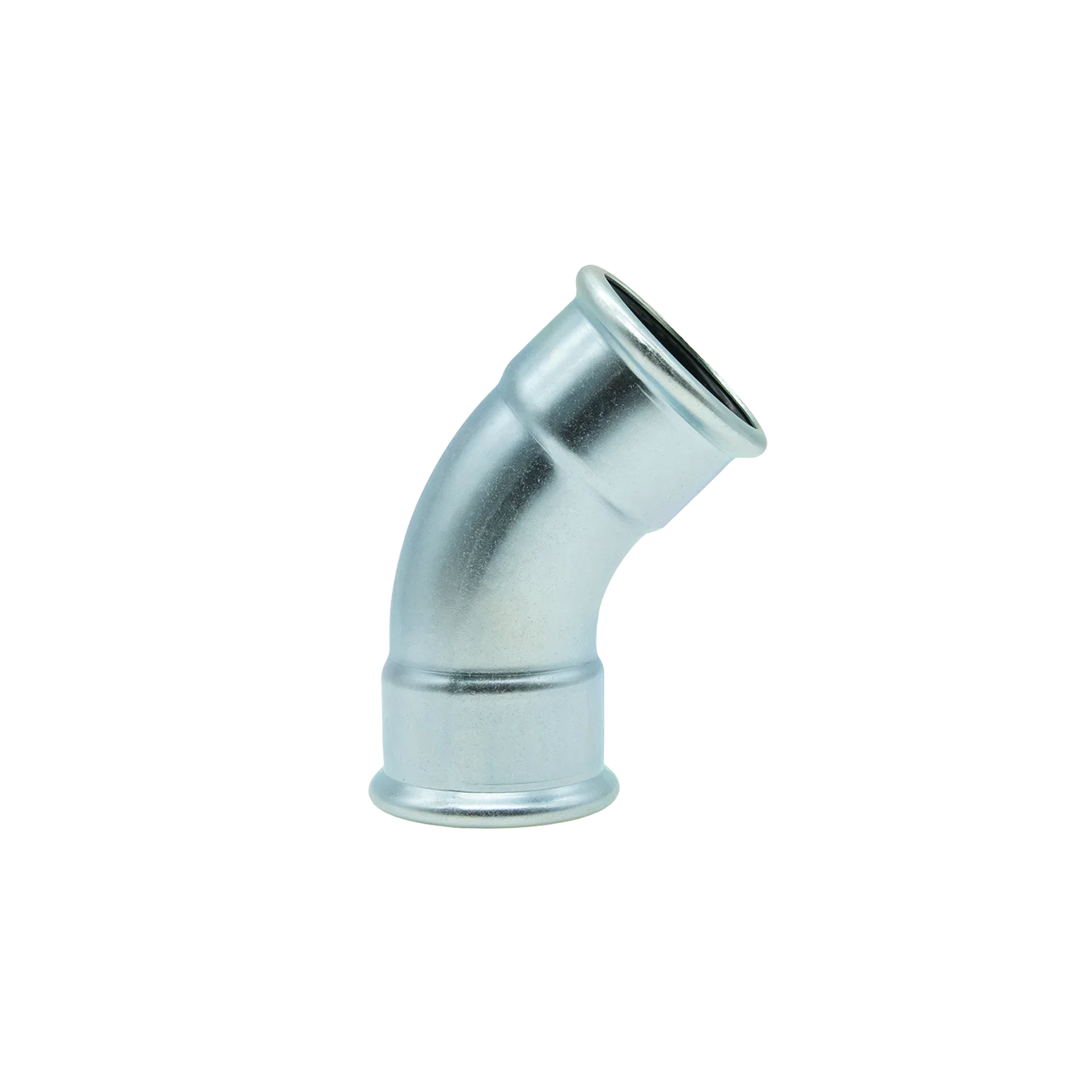
Installation of stainless steel tubing and fittings can present several challenges, particularly if proper precautions are not taken. One common issue is misalignment during installation, which can lead to leaks or structural weaknesses. To mitigate this, ensure precise measurements are taken prior to installation and consider using alignment tools or jigs. Another frequent problem is improper sealing, especially in applications involving fluids or gases. Utilizing the correct sealing methods, such as welded joints or high-quality fittings, is essential to prevent leaks. Additionally, conducting a thorough inspection before installation can help identify potential issues. Corrosion is another concern, particularly for carbon steel tubing. If the tubing will be exposed to moisture or corrosive environments, it’s advisable to apply protective coatings or choose stainless steel tubing. Regular maintenance checks post-installation can help catch early signs of corrosion, ensuring long-term performance.
Small steel tubing offers numerous advantages across different applications. In HVAC systems, for instance, its lightweight nature makes it easy to transport and install, while its strength ensures durability under varying pressures. This makes it an ideal choice for both residential and commercial heating and cooling systems. In the context of water supply, small steel tubing provides superior structural integrity compared to plastic alternatives. Its resistance to high temperatures and pressures also makes it suitable for hot water applications, ensuring reliability over time. Moreover, in the construction industry, small steel tubing is often employed in scaffolding and support structures due to its ability to withstand significant loads. Its versatility allows it to be used in both structural and decorative applications, contributing to aesthetic designs while maintaining functionality. Overall, the adaptability and strength of small steel tubing make it a preferred choice for contractors and engineers looking to balance performance and cost.
CHNCON has earned the prestigious reputation in China, the quality and service is at a first-class level. CHNCON is accredited with ISO9001, OHSAS18001, Inox pipes, DVGW, ICC-ES, WRAS, CSTB and WATERMARK certifications, etc. We are committed to delivering pipelines that are innovative and have important advantages, including being safe, energy-saving, and economical.
Chncon factory has 60 production lines with the impressive capacity to produce more than 300 000pcs fittings and pipes per month This gives a high time to deliver Chncon has Stainless steel press pipes its operations to over 500 cities in China and exports to more than 50 countries which is a boon to more than 20 million families High-end quality effective production and a thoughtful service Chncon is an excellent choice in pipeline area
Chncon has a professional RD team that includes more than 10 engineers. We can not only provide standard pipe fittings, however we also offer custom services. During Stainless steel pipe time of RD for new products We will do our best to provide you with professional advice and suggestions so that your ideas can be well executed.
Chncon is a specialist in stainless steel pipe systems for more than 20 years. The plant is covered by 23000 square metres. Chncon offers four product lines with more than 10,000 pipe fittings which meet the requirements of all customers. Chncon has achieved more than V press fitting at home and overseas.
When comparing stainless steel tubing options, several factors should be considered to ensure the best fit for your project. First, evaluate the material options—carbon steel versus stainless steel. Carbon steel is typically less expensive but may require additional treatments to prevent corrosion, while stainless steel offers enhanced durability and resistance to environmental factors. Next, consider the manufacturing process. Tubing produced through seamless methods generally offers greater strength and reliability compared to welded tubing, making it a preferable choice for high-pressure applications. Dimensions and tolerances also play a crucial role in selection. Ensure that the tubing meets the specific requirements of your application, including wall thickness and diameter. A supplier’s ability to provide detailed specifications can greatly aid in this comparison. Lastly, analyze the supplier’s pricing structure and lead times. Understanding these factors will help you assess the overall value of different options. Remember that the lowest price isn’t always the best deal if it compromises quality or delivery timelines. Opt for a supplier who can demonstrate a balance between cost-effectiveness and reliability in their offerings. By carefully considering these aspects, contractors and distributors can make informed decisions that align with their project needs, ultimately leading to successful outcomes.

Copyright © Zhejiang Zhengkang Industrial Co., Ltd. All Rights Reserved - Privacy Policy