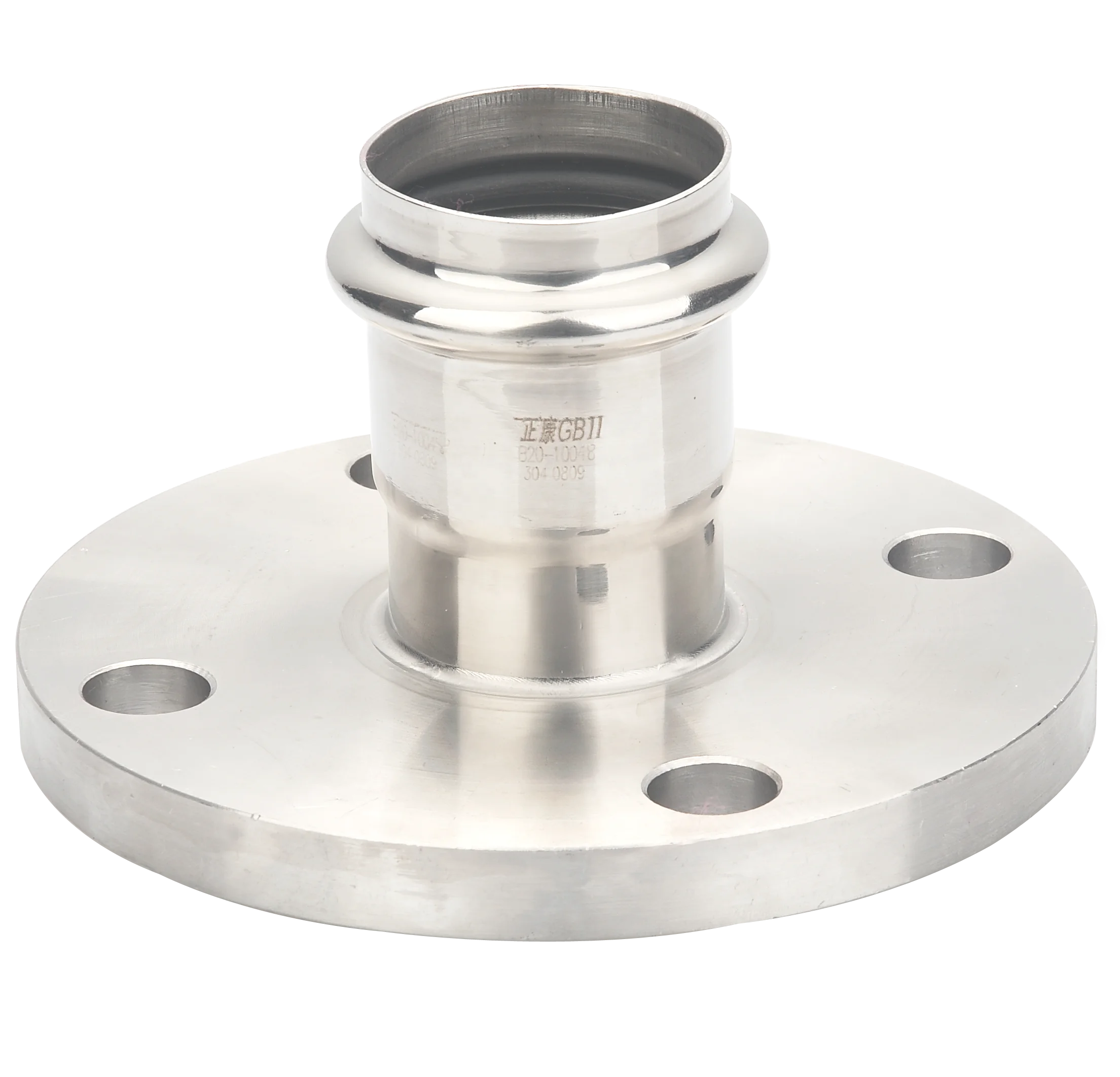
304 stainless steel pipe fittings are essential components in various piping systems, providing a reliable and corrosion-resistant solution for industries such as water supply, fire protection, and HVAC. As a purchasing manager or engineer, understanding the nuances of these fittings is critical for ensuring compatibility, performance, and longevity in your applications. This article will explore how to choose the right fittings, key specifications, common installation problems, comparison strategies, and practical applications across industries.
Selecting the appropriate 304 stainless steel pipe fittings involves several considerations to ensure they meet your project's specific requirements. First, assess the intended application and the environment in which the fittings will be used. For example, if the fittings will be exposed to high temperatures or aggressive chemicals, you may need to evaluate their suitability beyond standard 304 stainless steel.
Next, consider the size and configuration of the stainless steel press fittings. Standardization in dimensions is vital, as it ensures compatibility with existing pipes and systems. Additionally, evaluate the connection methods welded, threaded, or flanged as they dictate how the fittings will integrate into your system.
Lastly, assess any customization needs. Many manufacturers, including CHNCON, offer tailored solutions that can accommodate unique project requirements. Discussing your specifications with a supplier can lead to better functionality and efficiency in the final installation.
Understanding the critical specifications of 304 stainless steel pipe fittings can help you make informed purchasing decisions. Here are the key specifications to consider:
Material Composition: 304 stainless steel typically contains 18% chromium and 8% nickel, providing excellent corrosion resistance. However, variations in alloy composition can impact performance, particularly in harsh environments.
Dimensions and Tolerances: Ensure that the fittings meet industry standards for size and fit, such as ANSI or ASTM specifications. Accurate dimensions are crucial for maintaining pressure integrity and preventing leaks.
Pressure Ratings: Each fitting will have a designated pressure rating, which indicates its maximum operating pressure. It’s essential to select fittings that can withstand the pressures your system will encounter to avoid failures.
Surface Finish: The surface finish affects both aesthetics and functionality. A smoother surface can reduce friction in fluid flow, whereas a rougher finish may be better for specific applications.
Certification and Compliance: Verify that the fittings comply with relevant industry standards and certifications, ensuring their reliability and safety in use.
While 304 stainless steel pipe fittings are known for their durability, improper installation can lead to issues. Here are common problems you may encounter:
Mismatched Components: Using 304 stainless steel pipe fittings that are not compatible with existing pipes can lead to leaks and system failures. Always double-check the dimensions and connection types before installation.
Over-tightening: Excessive tightening can cause deformation, leading to stress fractures. Follow manufacturer guidelines for torque specifications to avoid damaging the fittings.
Improper Alignment: Misalignment during installation can cause undue stress on the fittings, leading to leaks or failures. Ensure proper alignment before tightening connections.
Corrosion at Joints: If not installed correctly, moisture can accumulate at joint connections, leading to corrosion. Proper sealing methods should be employed to prevent moisture ingress.
When comparing 304 stainless steel pipe fittings, it’s important to evaluate them based on several criteria:
Quality Assurance: Look for manufacturers that implement rigorous quality control processes. This includes material testing, dimensional checks, and certification compliance.
Customization Options: Consider suppliers that offer customization to meet specific project requirements, such as unique sizes or connection types.
Pricing and MOQ: Compare prices but be mindful of the total cost of ownership. Request quotes from multiple suppliers, and inquire about minimum order quantities (MOQ) that fit your purchasing strategy.
Lead Time: Assess the supplier's lead time and availability. Quick delivery can be critical in project timelines, so understanding production capabilities is essential.
Customer Support: Evaluate the level of customer support offered by the manufacturer. Responsive communication can ease the purchasing process and resolve any issues that may arise.
Chncon has been a specialist in stainless steel pipe systems for over 20 years. The facility is 23000 square metres. Chncon offers 4 products, with more than Inox pipes that can meet the requirements of every customer. Chncon has been achieved for more than 30 accreditations at home and overseas.
Stainless steel pipe factory has 60 production lines that have an excellent production capacity of more than 300 000 pieces of fittings and pipes annually produced This means that the delivery date can be well guaranteed Chncon has spread its business to more than 500 Chinese cities and exports to over 50 countries which has benefited more than 20 million families Chncon is a top choice for pipelines is a top quality efficient production times and thoughtful service
Chncon has a skilled RD team that includes more than 10 engineers. We are not limited to providing traditional pipe fittings, but we can also offer customization services. During new product's RD period, we will do our best to provide you with our Inox pipes and advice so that your ideas can be fully realized.
CHNCON has earned the prestigious reputation in China The quality and service both are the best in the industry. Our company is accredited with ISO9001, OHSAS18001 and ISO14001 certifications, Stainless steel press pipes, ICC-ES, WRAS, CSTB, WATERMARK etc. We are committed to bringing new pipeline products with significant advantages of healthy, safe, economical and energy-saving to every corner of the globe.
304 stainless steel pipe fittings are versatile and find applications across many industries:
Water Supply: These fittings are commonly used in municipal water systems due to their corrosion resistance and longevity, ensuring safe delivery of potable water.
Fire Protection Systems: In fire suppression systems, durability and reliability are paramount. 304 stainless steel fittings can withstand high pressures and temperatures, making them ideal for this application.
HVAC Systems: In heating, ventilation, and air conditioning, 304 stainless steel fittings help maintain efficient airflow and temperature control, contributing to overall system performance.
Food and Beverage: The hygienic properties of 304 stainless steel make it suitable for food processing applications, where contamination risks must be minimized.
Choosing the right 304 stainless pipe is crucial for any project, and understanding their specifications, installation challenges, and applications can significantly impact performance and safety. By collaborating with a trusted manufacturer like CHNCON, you can ensure that you receive high-quality fittings tailored to your specific needs.

Copyright © Zhejiang Zhengkang Industrial Co., Ltd. All Rights Reserved - Privacy Policy