Understanding the right certifications is crucial when sourcing stainless steel tubes, especially from manufacturers. For B2B buyers, verifying these certifications can be the difference between choosing a reliable supplier and facing costly quality issues. This article will explore essential certifications that stainless steel tube manufacturers should possess, helping you make informed purchasing decisions.
Understanding Key Certifications for Stainless Steel Tube Suppliers
In the manufacturing sector, certifications serve as proof that a supplier meets specific industry standards for quality, safety, and performance. For stainless steel tube fittings manufacturers, relevant certifications not only assure product quality but also enhance credibility in the market. As a purchasing manager or product manager, understanding these certifications enables you to evaluate suppliers more effectively and ensure that the products you are sourcing will meet your operational needs.
Key certifications vary based on regional regulations, industry requirements, and application-specific standards. Buyers should be familiar with these certifications to ensure compliance with relevant laws and standards while also considering the specific needs of their projects.
Key Certifications to Consider
ISO 9001: This certification focuses on quality management systems. It ensures that the manufacturer has consistent processes in place to provide products that meet customer and regulatory requirements. A manufacturer with ISO 9001 certification is likely to have robust quality control and assurance practices.
ASTM International Standards: ASTM standards are critical in the U.S. and globally for ensuring material quality and performance. Certifications such as ASTM A269 or ASTM A312 for stainless steel tubes indicate that the products meet specific mechanical and chemical properties essential for various applications.
EN 10216: This European standard specifies the technical delivery conditions for seamless steel tubes used in pressure applications. Manufacturers who comply with EN 10216 are recognized for producing high-quality tubes suitable for high-pressure environments.
ASME Certifications: The American Society of Mechanical Engineers (ASME) has established codes and standards for pressure vessels, piping, and other applications. Certifications such as ASME B31.3 for process piping can be particularly relevant for buyers in the chemical and petrochemical industries.
NSF Certification: For applications involving potable water or food-grade services, NSF certification is critical. It indicates that the materials and products meet strict public health standards and safety protocols.
CE Marking: Required for products sold in the European Economic Area (EEA), CE marking indicates conformity with health, safety, and environmental protection standards. This is particularly important for manufacturers exporting to Europe.
What Certifications Ensure the Quality of Stainless Steel Tubes?
To ensure the quality of stainless steel tubes, it is essential to look for certifications that focus specifically on material properties, manufacturing processes, and industry standards. Buyers should pay attention to the following aspects:
Material Specifications: Certifications like ASTM or EN standards provide detailed specifications on the material composition, mechanical properties, and testing methods. These specifications are crucial to determine if the 316 stainless steel tube are suitable for their intended application, particularly in demanding environments.
Manufacturing Processes: Certifications related to manufacturing processes, such as ISO 9001, ensure that the manufacturer implements quality control measures throughout production. This includes inspection of raw materials, in-process checks, and final inspections before shipment.
Traceability: Certifications that ensure traceability of materials from production to delivery are vital for quality assurance. This is particularly important in industries such as aerospace and medical, where accountability is critical.
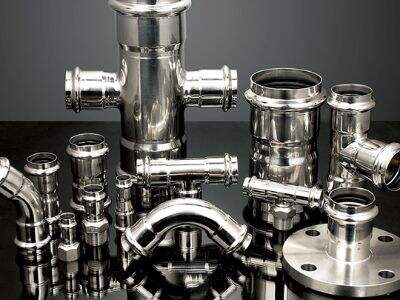
Certification Insights
When evaluating stainless steel tube manufacturers, buyers should not only consider the certifications themselves but also the processes behind obtaining them. Some relevant insights include:
Audit Frequency: Manufacturers that undergo regular audits for their certifications demonstrate a commitment to maintaining quality standards. Ask potential suppliers how often they are audited and by whom.
Scope of Certification: Ensure the certification covers the specific products you intend to purchase. For instance, a manufacturer may hold an ISO 9001 certification but not specialize in the production of stainless steel tubes.
Documentation: Request documentation that verifies the certifications. This includes certificates, audit reports, and quality control documentation. A reputable supplier should readily provide this information.
Reputation and Reviews: Research the manufacturer's reputation within the industry. Feedback from other buyers can provide valuable insights into the reliability of their certifications and product quality.
Common Problems in Stainless Steel Tube Sourcing and Certification Solutions
Sourcing stainless steel tubes can present several challenges, particularly when it comes to certifications. Here are some common problems and their solutions:
Misleading Certifications: Some suppliers may claim certifications that they do not actually hold. This can lead to quality issues down the line. Solution: Always verify the authenticity of certifications through direct contact with the certifying body.
Inconsistent Quality: Variability in product quality can occur if manufacturers do not adhere to their quality management systems. Solution: Look for manufacturers with a history of consistent performance and ask for references from existing clients.
Regulatory Compliance: Changes in regulations can affect the suitability of products. Manufacturers may not always stay updated on these changes. Solution: Ensure that your supplier is proactive in communicating changes in compliance requirements and how their products align with them.
Supply Chain Issues: Delays in sourcing raw materials can impact production schedules. Solution: Work closely with suppliers to understand their supply chain and any potential risks, and establish clear timelines for delivery.
By being aware of these common challenges and actively seeking solutions, buyers can navigate the complexities of sourcing stainless steel tubes more effectively.
In summary, verifying the right certifications is essential when sourcing stainless steel tubes. By understanding the key certifications, their implications for quality, and common sourcing challenges, B2B buyers can make informed decisions that align with their operational requirements and quality standards.