
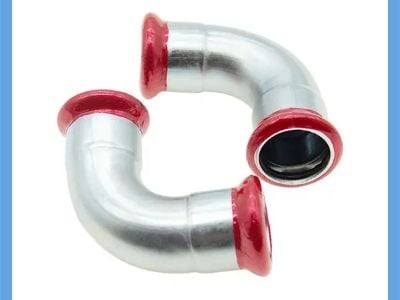
Stainless tube fittings are crucial components in various industrial applications, ensuring reliable connections within piping systems. As B2B buyers, it’s essential to understand how to match these fittings to tube specifications effectively. This article will address the key considerations buyers face, such as quality evaluation, cost factors, supplier reliability, best practices, and the diverse applications of stainless tube fittings. By gaining insight into these areas, purchasing managers and engineers can make informed decisions that enhance system performance and longevity.
Evaluating the Quality of Stainless Tube Fittings for Bulk Orders
When sourcing stainless tube fittings and Press Toolsin bulk, quality should be your foremost concern. Look for fittings made from high-grade stainless steel, commonly designated as 304 or 316, which offer excellent corrosion resistance and durability. A reliable supplier will provide certifications that detail the material composition and mechanical properties.
Pay attention to the manufacturing process as well. Advanced techniques like precision forging or CNC machining can enhance the dimensional accuracy and performance of the fittings. It is also important to verify that the fittings have undergone rigorous quality control processes, including pressure testing and dimensional inspections, to minimize the risk of failure in critical applications.
Before finalizing a bulk order, request samples for inspection. Evaluating the samples allows you to assess the finish, fit, and functionality, ensuring they meet your specifications and application requirements.
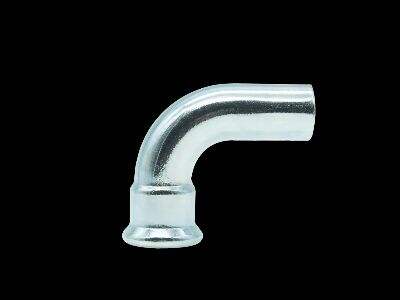
Understanding the Cost Factors of Stainless Tube Fittings Sourcing
The cost of stainless tube fittings can vary significantly based on several factors. Material selection is primary; for instance, 316 stainless steel is generally more expensive than 304 due to its enhanced corrosion resistance, which is critical for applications in harsh environments.
Another significant factor is the manufacturing method. Fittings produced through high-volume processes may have lower unit costs due to economies of scale, but the trade-off could be in quality or material selection. Customization requirements, such as specific dimensions or unique threading, can also impact pricing.
Additionally, consider the total cost of ownership, which includes shipping, packaging, and potential tariffs for international orders. Discussing these factors with suppliers can help clarify pricing structures and ensure you receive the best value for your investment.
Where to Find Reliable Suppliers of Stainless Tube Fittings
Finding a reliable supplier for stainless tube fittings involves thorough research and evaluation. Start by identifying manufacturers with a strong reputation in the industry, such as CHNCON, known for its patented technology and extensive experience in producing high-quality stainless and carbon steel press pipe fittings.
Examine supplier certifications related to quality standards, such as ISO 9001, which indicates a commitment to consistent quality management. Additionally, seek suppliers with a robust track record in your specific application area, whether it’s water supply, fire protection, or HVAC systems.
Networking within industry forums and attending trade shows can also help you connect with reputable suppliers. Request references or case studies to assess their experience and reliability in meeting customer needs.
Best Practices
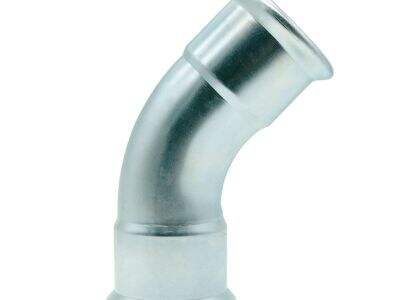
When sourcing stainless tube fittings and Carbon Steel Press Fittings, adhering to best practices can significantly streamline the purchasing process. Begin by defining your project requirements clearly, including specifications for materials, dimensions, and quantities. This clarity will assist suppliers in providing accurate quotations and timelines.
Engage in open communication with potential suppliers about your application needs and any customization you may require. This dialogue can help identify potential challenges early, such as compatibility with existing systems.
Additionally, establish a quality assurance process for incoming goods. Implement a checklist for inspecting fittings upon arrival, ensuring they meet your specifications before proceeding with assembly or installation.
Lastly, consider establishing long-term relationships with suppliers. Consistency in sourcing can lead to better pricing, priority access to new products, and improved service levels.
Applications of Stainless Tube Fittings in Various Industries
Stainless tube fittings play a vital role in multiple industries, each with unique requirements. In the water supply sector, for example, fittings must resist corrosion and maintain structural integrity under varying pressures. In HVAC systems, the ability to withstand temperature fluctuations and maintain tight seals is paramount.
In the food and beverage industry, hygienic standards are critical, necessitating fittings that are easy to clean and resistant to contamination. Here, the selection of materials like 316 stainless steel becomes essential due to its superior corrosion resistance and non-reactive properties.
Moreover, in industrial manufacturing, stainless tube fittings are used in high-pressure applications where safety and reliability are non-negotiable. Understanding these application-specific requirements can guide buyers in selecting the appropriate fittings that not only meet regulatory standards but also enhance operational efficiency.
By focusing on these critical areas—quality evaluation, cost factors, supplier reliability, best practices, and specific applications—B2B buyers can confidently navigate the complexities of sourcing stainless tube fittings, ensuring they select the right components for their projects.