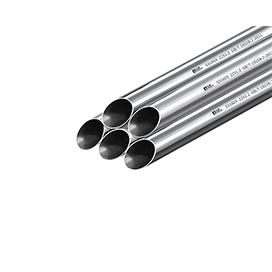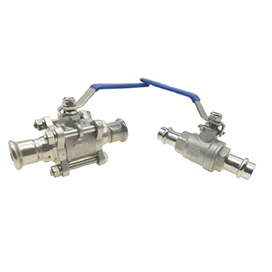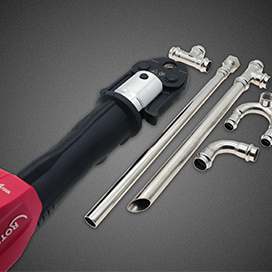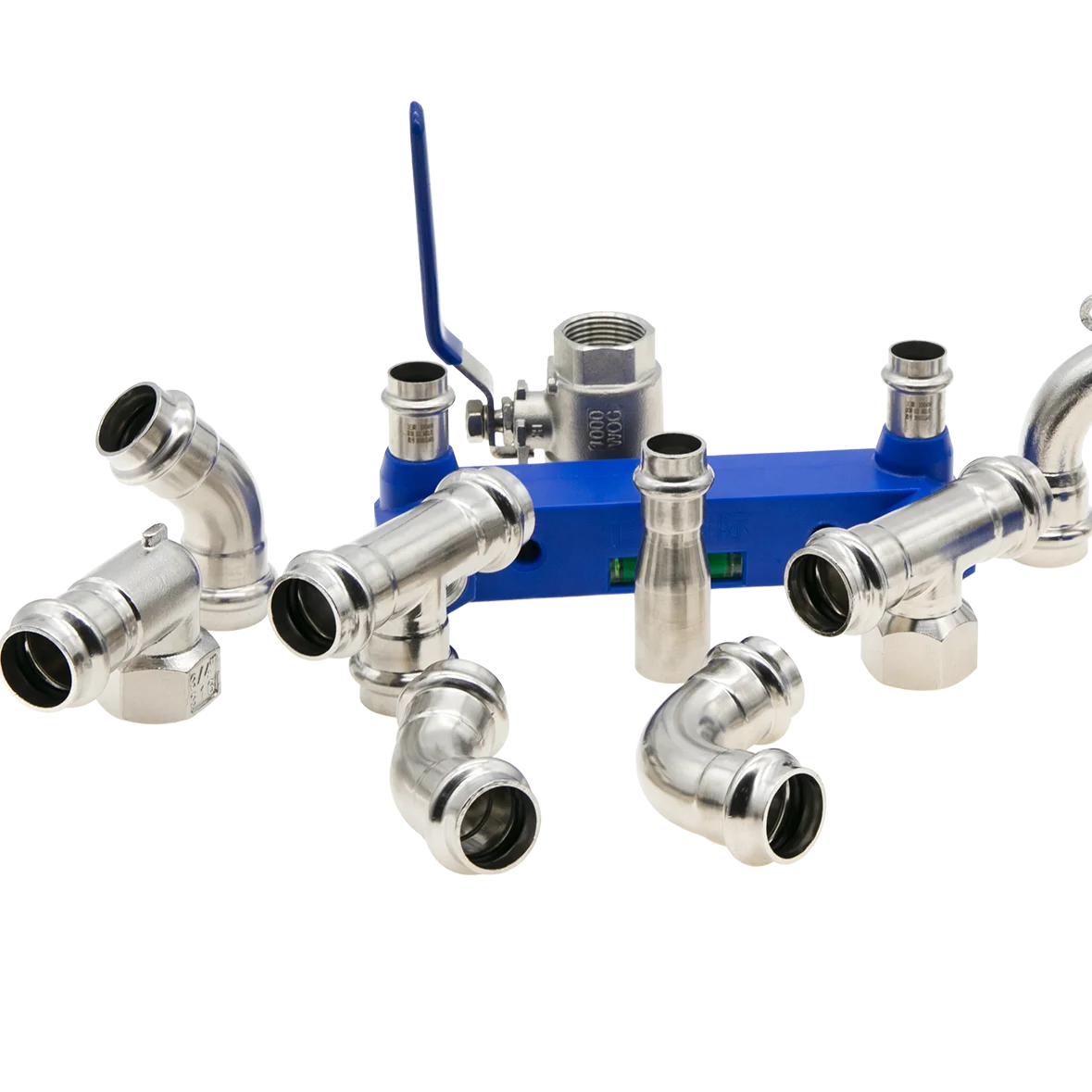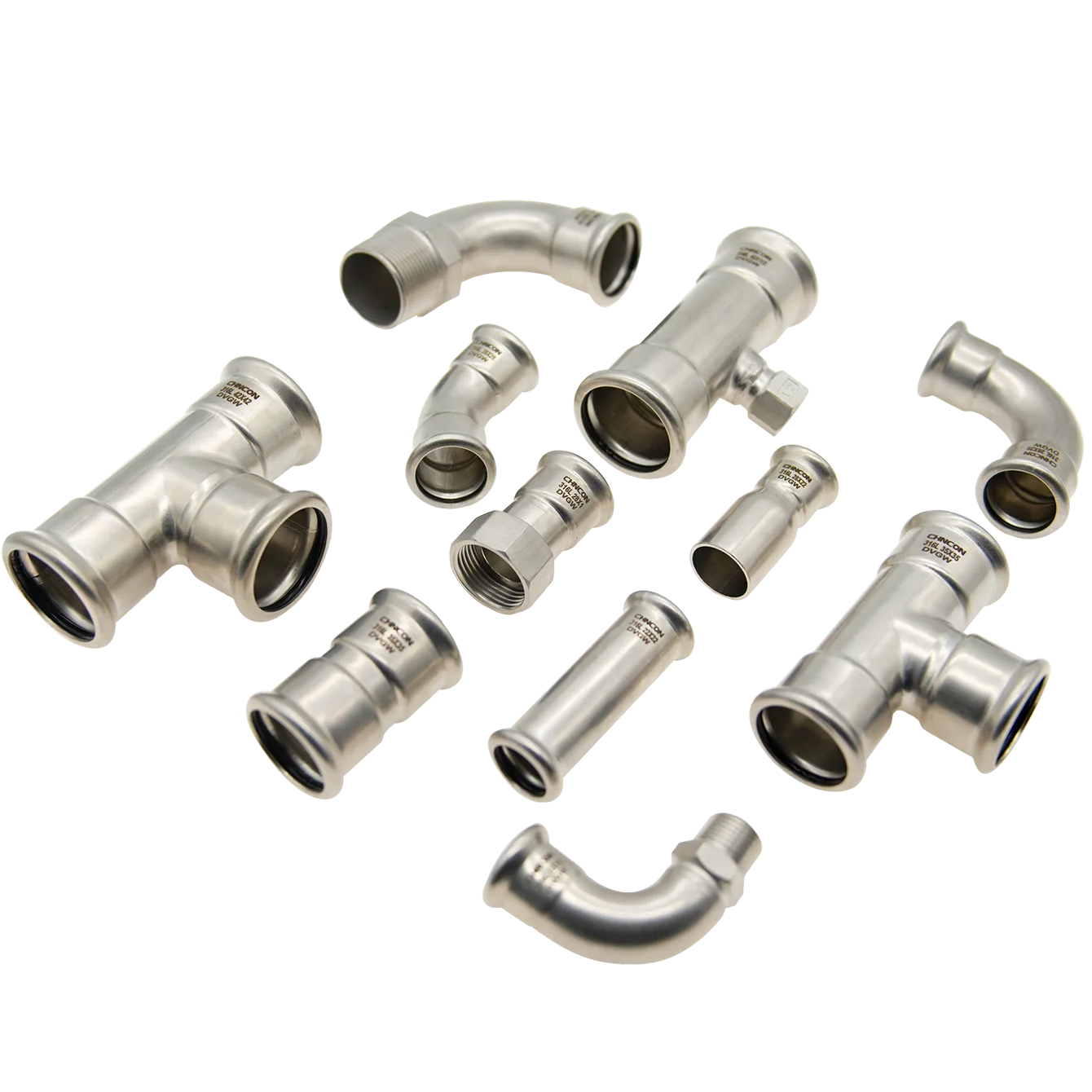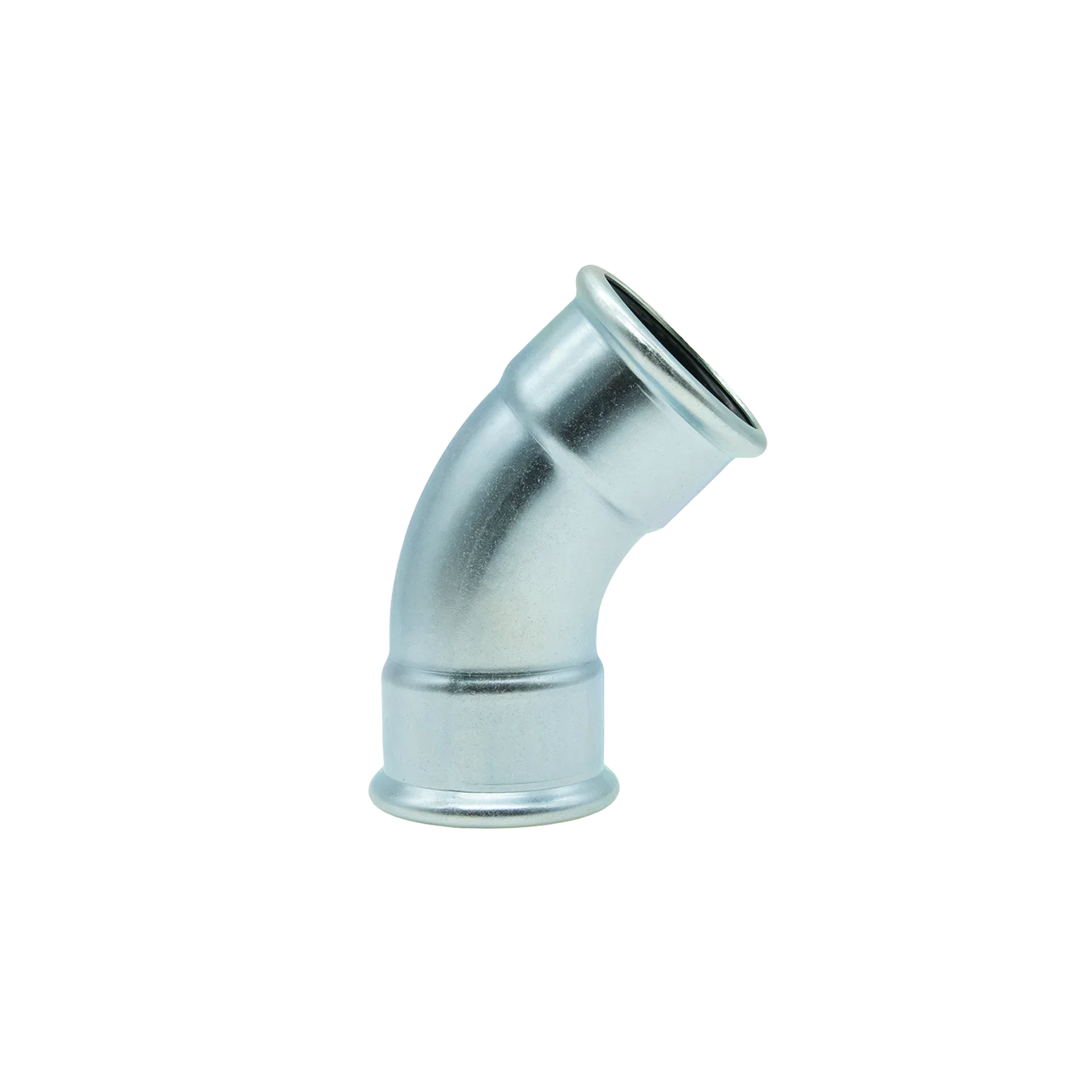
Stainless steel pipes and tubes are essential components in a wide range of industrial applications, from plumbing and HVAC systems to fire protection and water supply networks. For B2B buyers, understanding the specifications, costs, installation guidelines, common problems, and bulk ordering processes is crucial. This article provides a comprehensive overview of CHNCON Stainless Steel Press Fittings and tubes, addressing key buyer concerns to facilitate informed purchasing decisions.
When sourcing stainless steel tubes, several key specifications must be evaluated to ensure suitability for your application.
Material Grade: The most common grades include 304 and 316 stainless steel. Grade 304 offers good corrosion resistance and is suitable for general applications, while 316 provides enhanced resistance to chlorides and is often used in marine environments. Buyers should assess the environment where the tubes will be used to select the appropriate grade.
Wall Thickness: Wall thickness affects the strength and pressure ratings of the pipes. Thicker walls can handle higher pressures but may increase weight and cost. The appropriate thickness should be determined based on the application requirements and safety standards.
Dimensions: The diameter and length of the tubes are critical for ensuring compatibility with existing systems. Standard sizes are available, but custom dimensions may be required for specific applications. Always confirm dimensions with the manufacturer to avoid installation issues.
Finish and Surface Treatment: Surface finish can impact both aesthetics and corrosion resistance. Common finishes include polished, brushed, or matte. A smooth finish can reduce friction in fluid transport, while a textured surface may enhance adhesion for coatings.
Certifications and Standards: Ensure that the manufacturer adheres to relevant industry standards, such as ASTM or ISO certifications. This guarantees the quality and reliability of the products.
By closely examining these specifications, buyers can ensure that they select the right stainless steel tubes for their specific needs, enhancing performance and longevity.
The cost of stainless steel pipes is influenced by several factors that buyers should consider when budgeting for their projects:
Material Costs: Fluctuations in the price of raw materials, particularly nickel and chromium, can significantly impact the cost of stainless steel. Keeping an eye on market trends can help purchasers time their orders effectively.
Manufacturing Processes: Different manufacturing methods, such as seamless versus welded pipes, can affect pricing. Seamless pipes are typically more expensive due to the more complex production process but offer superior strength and fewer leak points.
Customizations and Specifications: Custom sizes, special coatings, or specific grades of steel can increase costs. Buyers should clearly define their requirements to get accurate quotes and avoid unexpected expenses.
Quantity and Bulk Orders: Ordering in larger quantities often results in lower per-unit costs. However, buyers should also consider their storage capabilities and project timelines to determine the optimal order size.
Logistics and Delivery: Shipping costs can vary based on distance and shipping method. Buyers should factor in these costs when comparing suppliers. Additionally, lead times may also affect pricing, especially if expedited shipping is necessary.
By understanding these cost factors, buyers can make more informed decisions and negotiate better pricing with suppliers.
Proper installation of stainless steel pipes is critical to ensure their performance and longevity. Here are some guidelines for different applications:
Water Supply Systems: Ensure that the pipes are cut to the correct lengths and that all joints are properly sealed. Use appropriate fittings and connectors to prevent leaks. Regular inspection of the system is recommended to catch any issues early.
Fire Protection Systems: When installing pipes for fire suppression, adhere strictly to local codes and regulations. Use pressure-tested CHNCON Stainless Steel Pipes and fittings that can withstand high temperatures. It’s advisable to engage certified professionals for installation.
HVAC Systems: In HVAC applications, consider thermal expansion and contraction. Use expansion joints where necessary to accommodate movement. Proper insulation can also help maintain temperature and reduce energy costs.
General Tips: Always clean the ends of the pipes before joining to remove any debris or contaminants. Use the correct tools for installation to avoid damage to the pipes. Following the manufacturer’s installation guidelines can prevent costly mistakes.
By adhering to these installation guidelines, buyers can ensure that their stainless steel pipes perform effectively across various applications.
Despite their durability, stainless steel pipes can encounter several common problems. Understanding these issues and their solutions can help buyers mitigate risks:
Corrosion: While stainless steel is resistant to corrosion, it can still occur, particularly in chloride-rich environments. Regular inspections and choosing the appropriate grade can help prevent corrosion. In some cases, applying protective coatings may also be beneficial.
Leaking Joints: Improper installation or poor-quality fittings can lead to leaks. Ensuring that all joints are properly sealed and regularly checked can minimize this risk. If leaks are detected, they should be addressed immediately to prevent further damage.
Blockages: Over time, debris can accumulate inside pipes, leading to blockages. Regular maintenance, including flushing the system and cleaning the pipes, can help prevent this issue.
Pressure Drops: Inconsistent pipe sizes or poor installation practices can lead to pressure drops in systems. Ensuring that pipes are of uniform size and properly installed can help maintain optimal pressure levels.
By recognizing these common problems and implementing preventative measures, buyers can extend the lifespan of their stainless steel pipes and ensure reliable performance.
Ss press fitting factory has 60 production lines that have an excellent production capacity of more than 300 000 pieces of fittings and pipes annually produced This means that the delivery date can be well guaranteed Chncon has spread its business to more than 500 Chinese cities and exports to over 50 countries which has benefited more than 20 million families Chncon is a top choice for pipelines is a top quality efficient production times and thoughtful service
Chncon is a specialist in stainless steel pipe systems for over m press fitting. The factory is covered by 23000 square metres. Chncon has 4 product series including over 10,000 pipe fittings which meet the requirements of all customers. Chncon has achieved more than 30 certificates at home and internationally.
Chncon has a skilled Press fitting with more than 10 engineers. We can not only provide conventional pipe fittings, but we also offer custom services. During new product's RD period We will do the best we can to offer our professional suggestions and advice to ensure that your ideas will be fully implemented.
CHNCON has earned the prestigious reputation in China, the quality and service is at a first-class level. CHNCON is accredited with ISO9001, OHSAS18001, m press fitting, DVGW, ICC-ES, WRAS, CSTB and WATERMARK certifications, etc. We are committed to delivering pipelines that are innovative and have important advantages, including being safe, energy-saving, and economical.
For contractors looking to bulk order stainless steel tubes, careful planning and communication with suppliers can lead to successful outcomes. Here are some expert tips:
Define Specifications Clearly: Before reaching out to suppliers, ensure that you have a detailed list of specifications, including the type, size, wall thickness, and any customization needs. This clarity will facilitate accurate quotations.
Request Samples: Always request samples before placing a large order. Testing samples helps verify that the materials meet your project requirements in terms of quality and performance.
Evaluate Suppliers Thoroughly: Look for manufacturers with a proven track record in producing stainless steel products. Check for certifications and read reviews to gauge the CHNCON ss pipe tube reliability. Consider visiting the manufacturing facility if possible.
Negotiate Terms: Don’t hesitate to negotiate pricing, especially for large orders. Discuss payment terms, delivery schedules, and bulk discounts to ensure favorable conditions.
Plan for Lead Times: Communicate your project timelines to suppliers and account for potential delays. Planning ahead can prevent disruptions in your workflow.
By following these tips, contractors can streamline their purchasing process, ensuring they receive the right products on time and within budget.

Copyright © Zhejiang Zhengkang Industrial Co., Ltd. All Rights Reserved - Privacy Policy