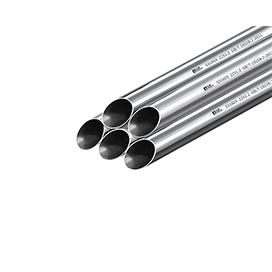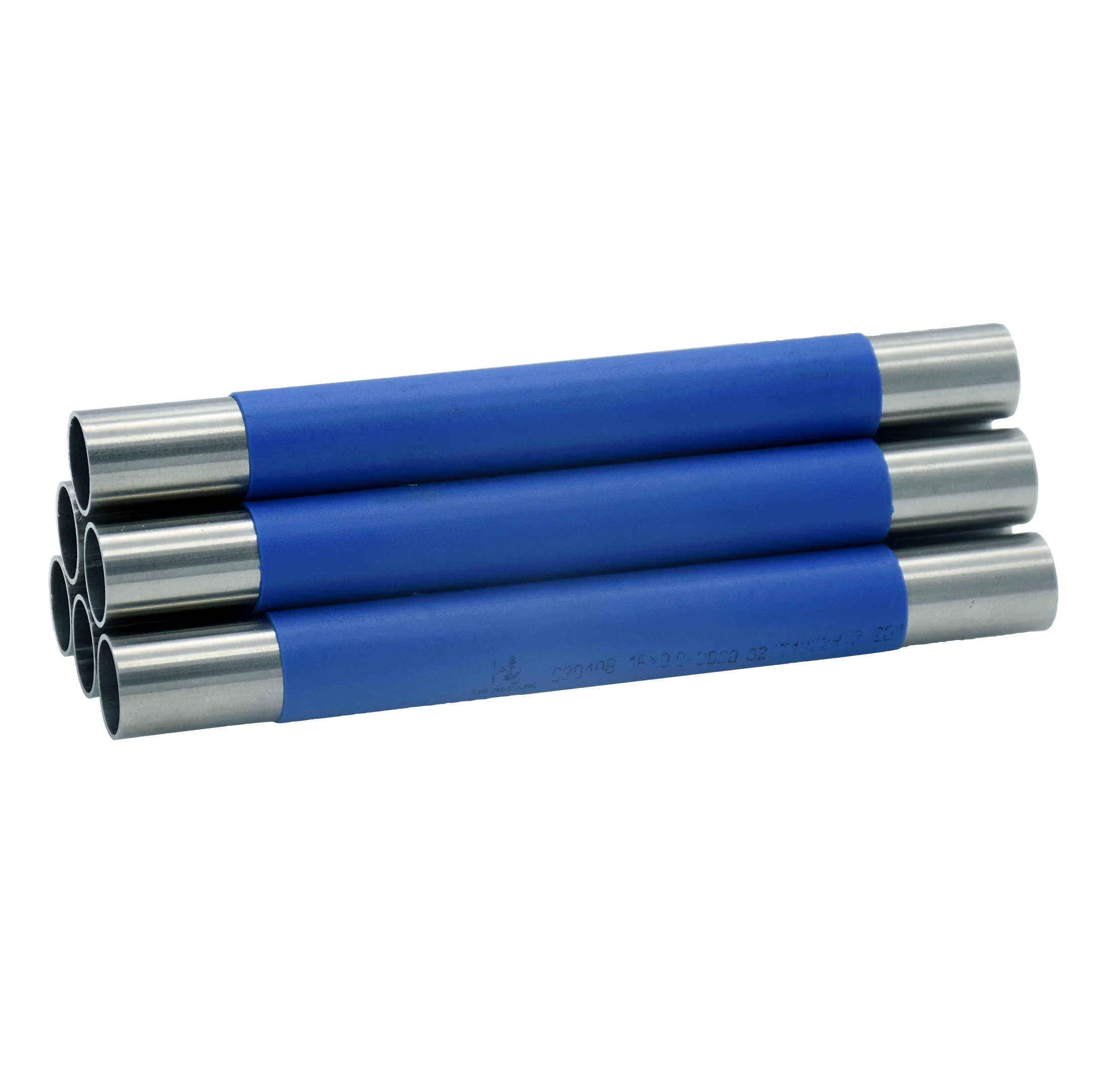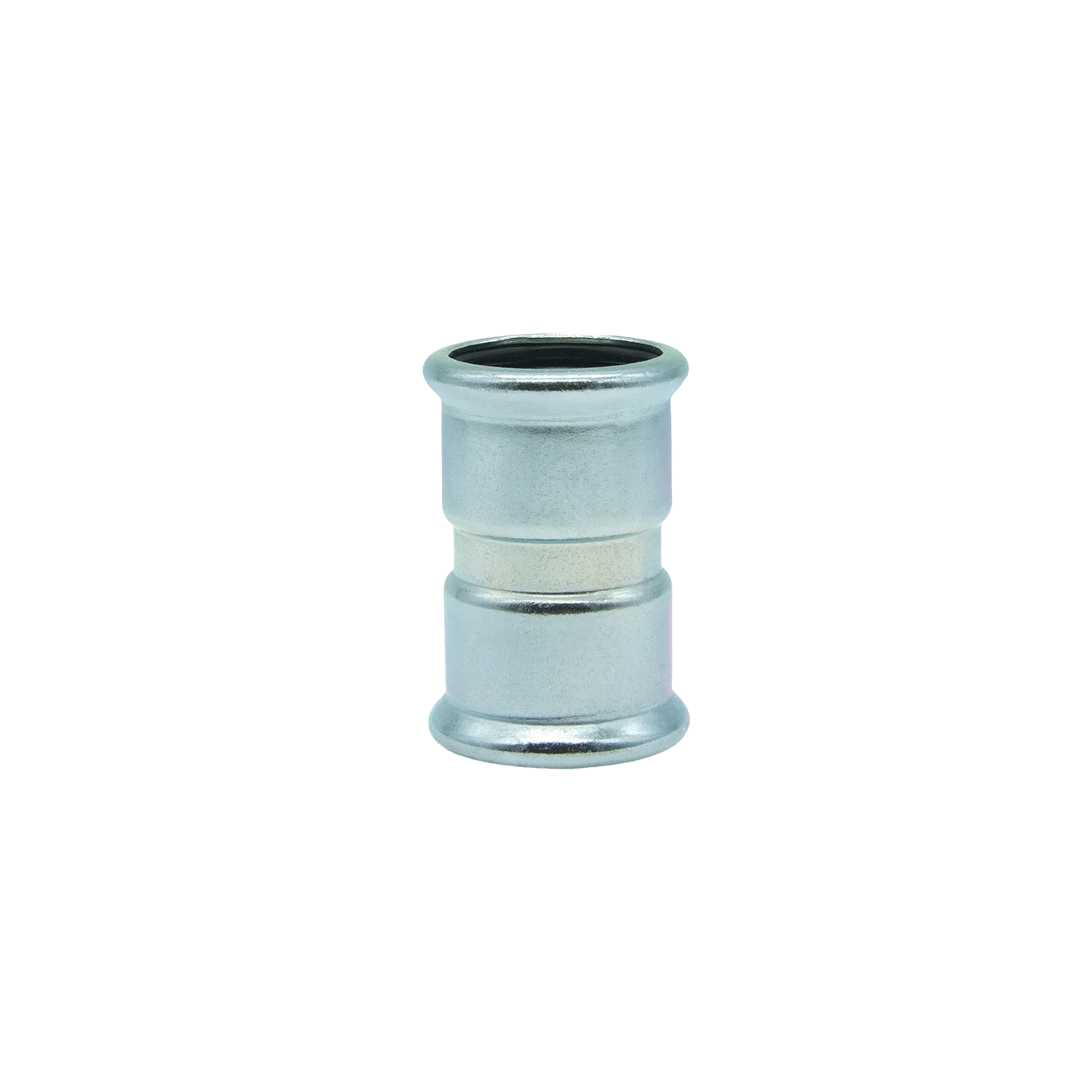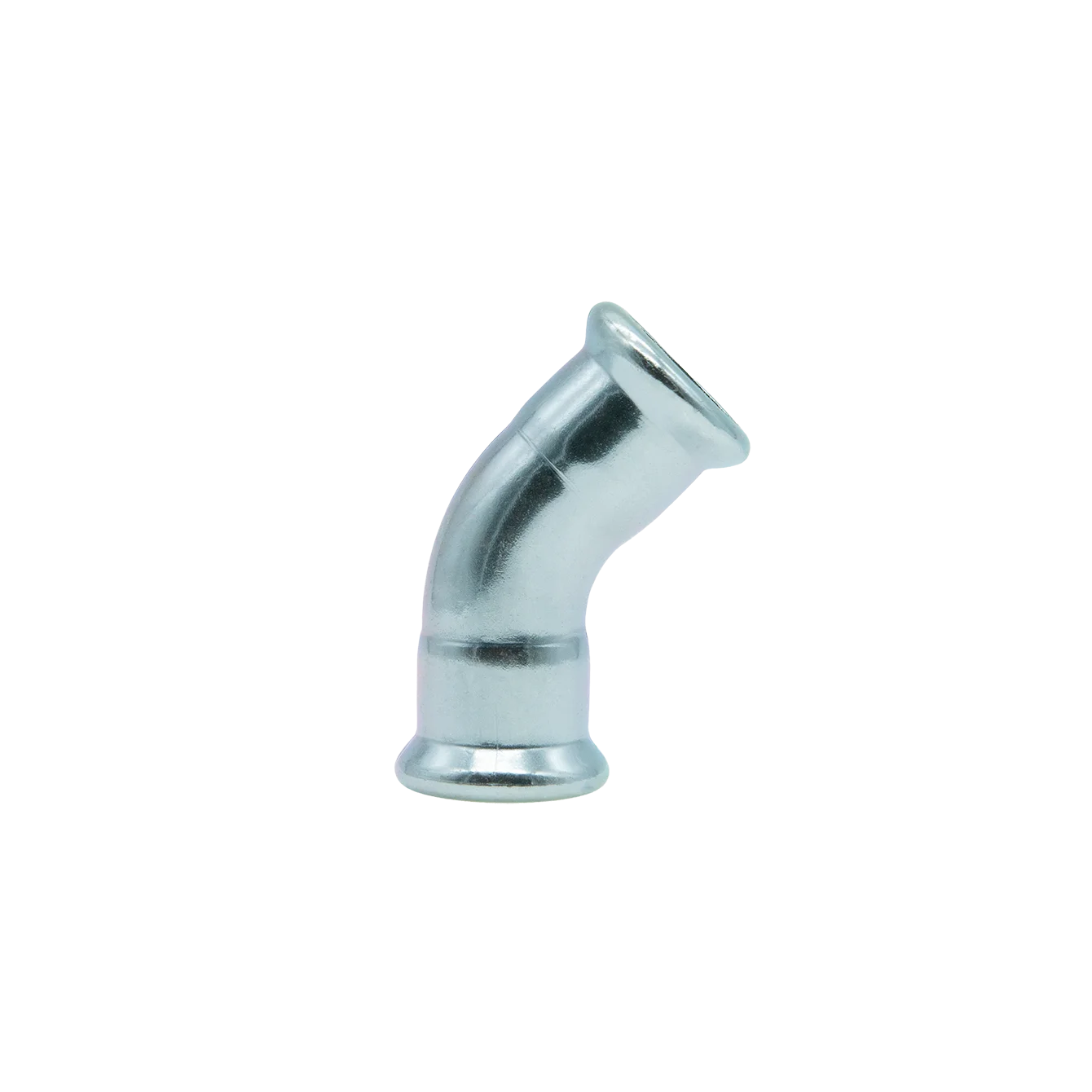
SS pipe tubes are essential components in various industrial applications, providing reliable solutions for water supply, fire protection, and HVAC systems. As a B2B buyer, understanding the specifications, installation guidelines, and common issues associated with these products is crucial for making informed purchasing decisions. This article will delve into the key specifications of stainless steel tube fittings, installation considerations, challenges faced, material selection, and the differences between stainless and carbon steel options, equipping you with the necessary knowledge to select the right products for your projects.
When evaluating SS pipe tubes, there are several key specifications to consider:
Material Composition: SS pipe tubes are typically made from stainless steel, known for its corrosion resistance, or carbon steel, which is more economical but less resistant to rust. Your application will dictate the material choice. For example, stainless steel is ideal for environments with high moisture or exposure to chemicals.
Dimensions: The diameter and wall thickness of the pipe tubes should align with your system requirements. Common sizes range from ½ inch to several inches in diameter. It's important to confirm that the dimensions meet the specifications necessary for proper flow rates and pressure requirements.
Pressure Ratings: Different applications will require different pressure ratings. Ensure that the ss tube fittings can withstand the operational pressures of your system. This is particularly important in fire protection systems where pipe integrity is critical.
Certification and Compliance: Look for products that are compliant with relevant industry standards, such as ASTM or ISO certifications, to ensure quality and safety. This can be vital when the pipes are used in critical applications.
Surface Finish: The surface finish can affect both performance and aesthetic appeal. A smoother finish may reduce friction and improve flow efficiency, while a rougher finish may be more appropriate for certain industrial applications.
Proper installation of SS pipe tubes is crucial to ensure functionality and longevity. Here are key guidelines for various applications:
Water Supply Systems: Ensure that all joints are securely welded or fitted to prevent leaks. Use appropriate sealing methods to protect against corrosion and ensure a watertight seal. It is advisable to conduct a pressure test post-installation to confirm integrity.
Fire Protection Systems: Install the SS pipe tubes according to the specific fire safety regulations applicable in your region. Ensure that the system is tested for functionality and can deliver adequate pressure and flow during emergencies.
HVAC Systems: When integrating 316 stainless steel tube in HVAC applications, consider insulation to prevent condensation and energy loss. Proper routing is essential to minimize bends and ensure efficient airflow.
Maintenance Access: Design installations with maintenance in mind. Allow for easy access to valves, gauges, and other critical components for regular inspection and maintenance.
Despite their durability, SS pipe tubes can encounter several common issues:
Corrosion: While stainless steel is resistant to corrosion, it can still occur in harsh environments. To mitigate this, ensure that the selected pipe material is suitable for the specific chemical and environmental exposure it will face.
Leaks: Improper installation can lead to leaks. Regular inspections and maintenance can help identify potential leak points early. When installing, ensure that all joints are properly sealed and fitted.
Blockages: Over time, debris can accumulate within the tubes. Regular cleaning and maintenance schedules should be established to prevent blockages, especially in systems that transport water or other liquids.
Thermal Expansion: Temperature fluctuations can cause thermal expansion in pipe materials. Ensure that your installation allows for expansion and contraction through appropriate fittings and spacing.
Selecting the appropriate material for SS pipe tubes is critical for performance and longevity:
Stainless Steel: Ideal for applications where corrosion resistance is paramount, such as in marine environments or chemical processing plants. Consider options like 304 or 316 stainless steel, with 316 providing better resistance to chlorine and higher temperatures.
Carbon Steel: A cost-effective choice for applications where exposure to moisture is minimal. However, it requires protective coatings or galvanization to prevent rusting in damp environments.
Custom Alloys: In certain applications, custom alloys may be required to meet specific performance criteria. Always consult with your supplier about available options and potential lead times.
Compatibility with Other Materials: Ensure that the SS pipe tubes are compatible with other materials in your system to avoid galvanic corrosion, which can occur when dissimilar metals are connected.
Chncon has been a specialist in stainless steel pipe systems for over 20 years. The facility is 23000 square metres. Chncon offers 4 products, with more than Stainless steel press pipes that can meet the requirements of every customer. Chncon has been achieved for more than 30 accreditations at home and overseas.
m press fitting is home to 60 production lines and an outstanding capacity of production which is more than 300 000 pieces of pipes and fittings monthly produced This provides a solid promise of timely delivery At present Chncon' business have reached more than 500 cities in China and exported over 50 regions and countries benefiting nearly 20 million families Excellent quality fast manufacturing time and attentive customer service Chncon is a wonderful choice in pipeline area
CHNCON is well-known in China. Quality and service are both at the top of their game. Our company is accredited by ISO9001, Stainless steel pipe, ISO14001, DVGW, ICC-ES, WRAS, CSTB and WATERMARK certifications as well as other such. We committed to deliver new pipeline products with significant advantages of healthy, safe efficient and cost-effective to around the world.
Chncon has a skilled Press fitting with more than 10 engineers. We can not only provide conventional pipe fittings, but we also offer custom services. During new product's RD period We will do the best we can to offer our professional suggestions and advice to ensure that your ideas will be fully implemented.
When deciding between stainless and carbon steel SS pipe tubes, consider the following factors:
Cost: Carbon steel is generally more affordable than stainless steel. However, consider the long-term costs associated with maintenance and replacement due to corrosion.
Performance: Stainless steel offers superior corrosion resistance, making it suitable for high-moisture environments or applications involving chemicals. Carbon steel may be adequate for dry conditions but requires protective coatings.
Lifespan: Stainless steel typically has a longer lifespan than carbon steel, especially in corrosive environments. Evaluate the total cost of ownership when making your decision.
Application Suitability: Assess the specific requirements of your application, including temperature, pressure, and environmental conditions, to determine which material will perform best.
By understanding these aspects of SS pipe tubes, buyers can make informed decisions that align with their operational needs and ensure reliable performance in critical applications.

Copyright © Zhejiang Zhengkang Industrial Co., Ltd. All Rights Reserved - Privacy Policy