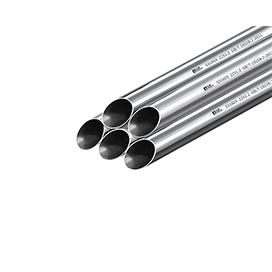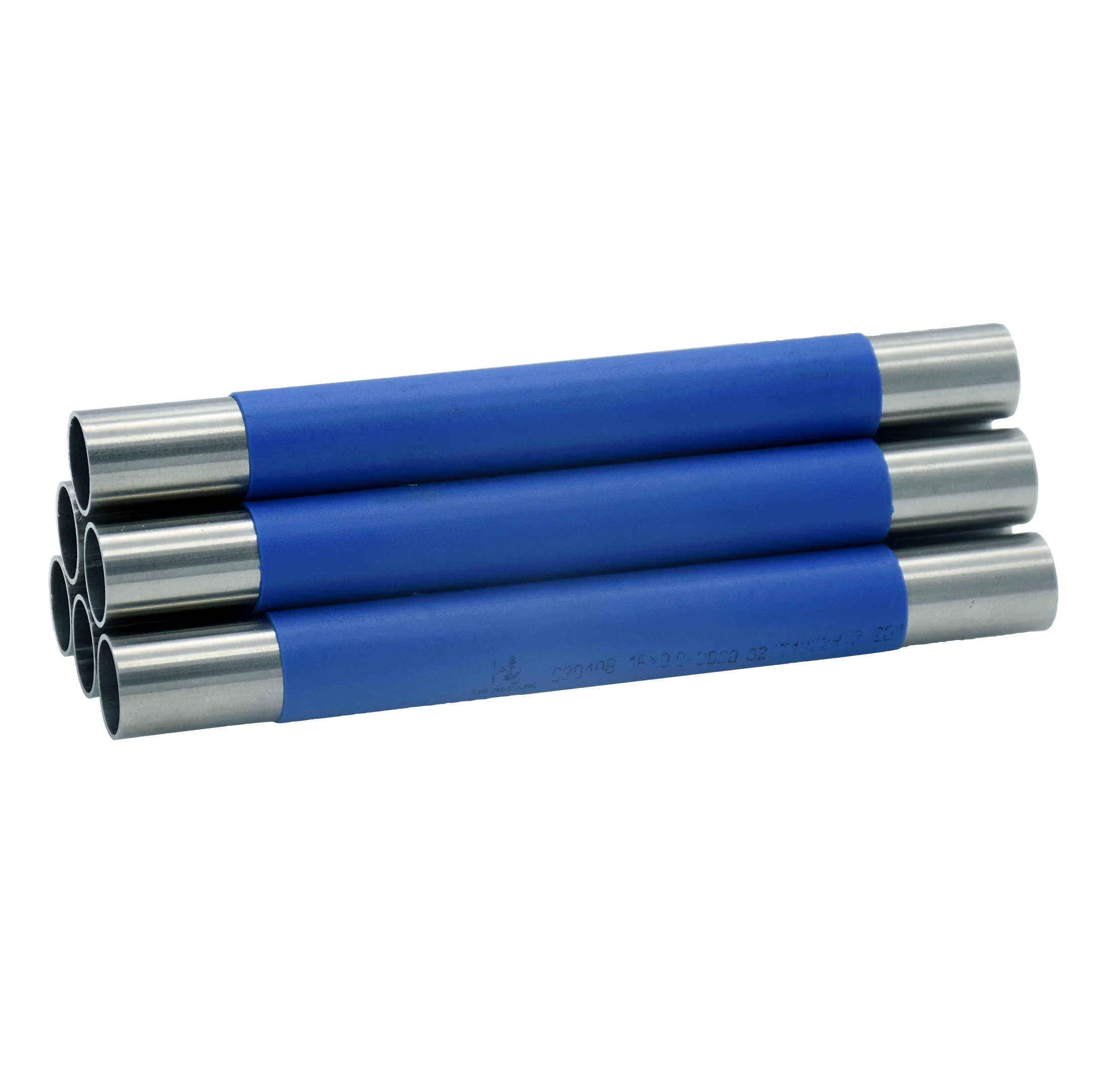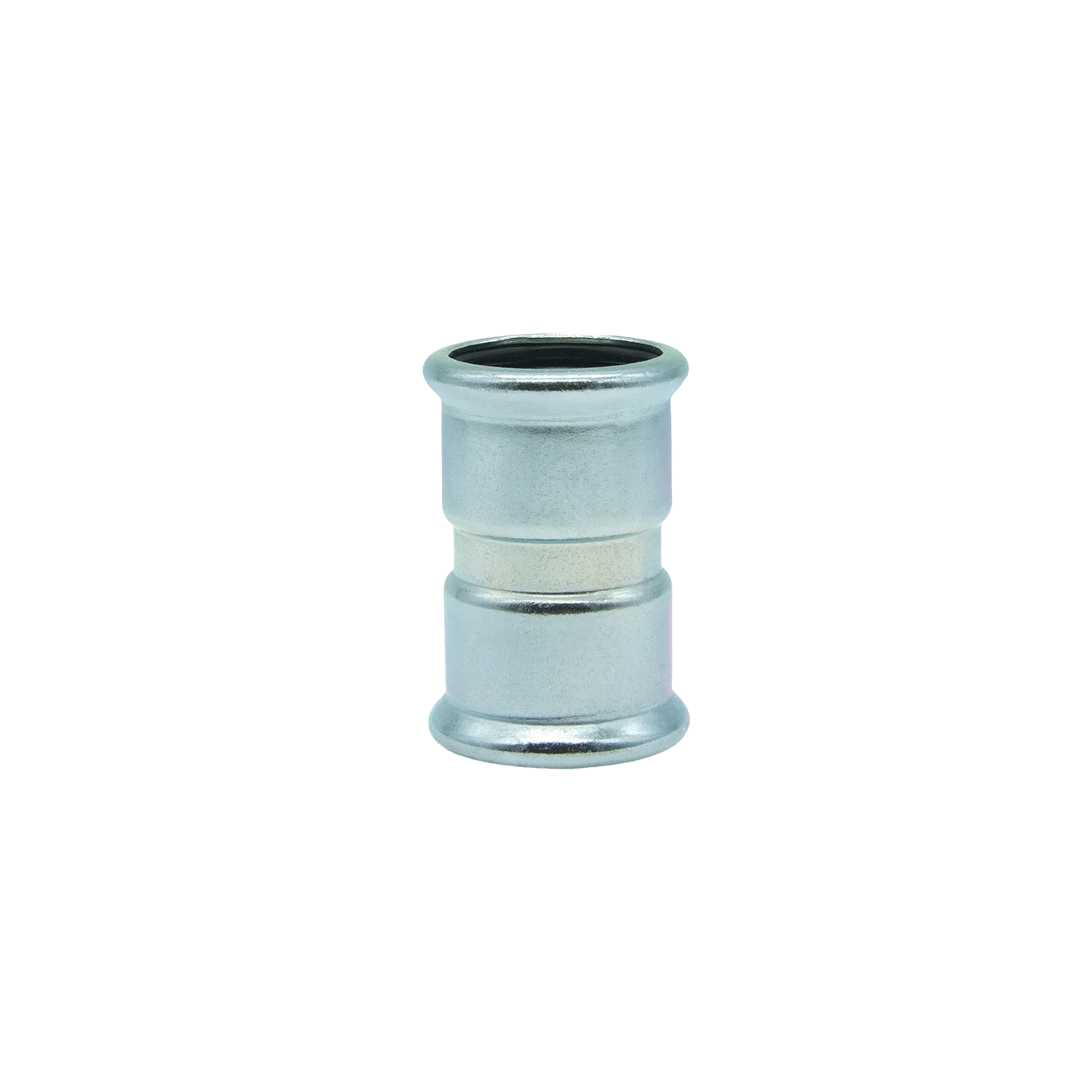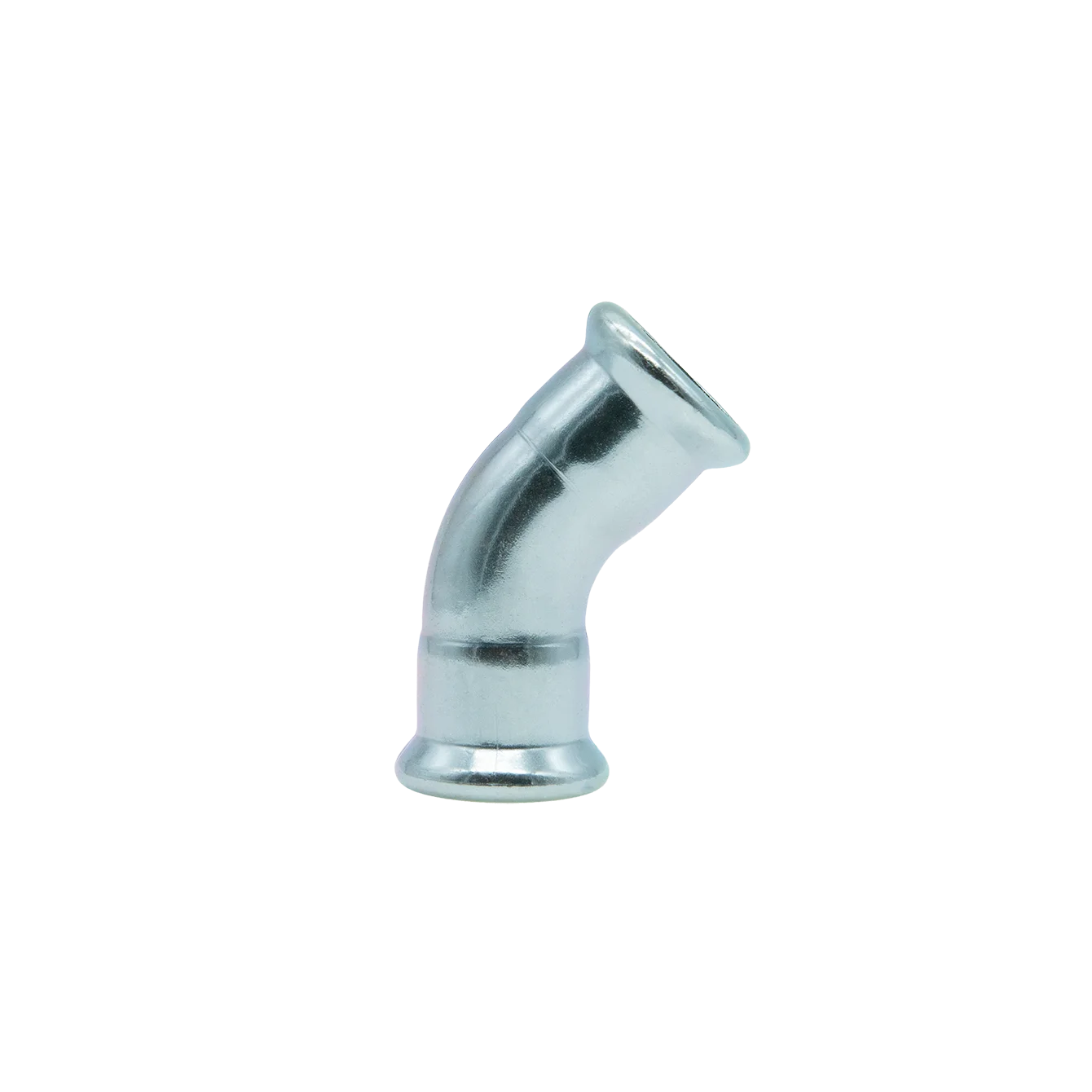
Introducing stainless steel pipes and fittings is essential for various applications, particularly in industries such as water supply, HVAC, and fire protection. As a leading manufacturer in the field, CHNCON, part of ZK International Group, specializes in supplying high-quality stainless steel pipe and fittings to B2B buyers worldwide. This article will address key specifications, pricing factors, best practices, common issues, and applications related to stainless steel pipe and fittings. By understanding these elements, purchasing managers, engineers, and product managers can make informed decisions when sourcing these critical components.
When evaluating stainless steel pipes and fittings, several key specifications are crucial for ensuring suitability for your specific application. First, material composition is vital; commonly used stainless steels include 304 and 316 grades. Grade 316 is preferred for environments with higher corrosion risks due to its molybdenum content, which enhances resistance to pitting and crevice corrosion.
Dimensions and wall thickness are also critical specifications. Buyers should provide exact measurements to ensure compatibility with existing systems. For instance, the nominal diameter and schedule (thickness) of the stainless steel pipe fittings should match the requirements of the application to maintain proper flow rates and pressure tolerances.
Additionally, buyers should consider certifications such as ISO 9001, which indicates adherence to quality management systems. CHNCON’s products are manufactured under strict quality control processes, ensuring that they meet international standards and customer expectations. It is advisable to request documentation confirming these specifications before finalizing an order.
Pricing for wholesale stainless steel pipes and fittings can be influenced by several factors. The first is material costs, which fluctuate based on global market conditions. Stainless steel prices are often affected by the cost of raw materials like nickel and chromium. Consequently, buyers should stay informed about market trends to anticipate pricing changes.
Another factor impacting pricing is order volume. Generally, larger bulk orders can lead to discounted rates due to economies of scale. However, it's vital to confirm the minimum order quantity (MOQ) with the supplier, as this can vary significantly between manufacturers.
Customization also plays a role in pricing. If specific dimensions or finishes are required, additional costs may be incurred. Buyers should provide detailed specifications at the outset to receive accurate quotes. Finally, transportation and shipping costs must be factored into the total price, particularly for international orders.
To ensure a successful procurement process for stainless steel pipes and fittings, consider the following best practices:
Request Samples: Before committing to a bulk order, always request samples to verify quality and specifications. Testing the samples under actual operating conditions can reveal any potential issues that may not be apparent through documentation alone.
Specify Requirements Clearly: When submitting an RFQ (Request for Quotation), be as specific as possible regarding dimensions, material grades, and any necessary certifications. This clarity helps suppliers provide accurate quotes and reduces the likelihood of misunderstandings during production.
Conduct Supplier Audits: Evaluate potential suppliers based on their manufacturing capabilities and quality control processes. Conducting an audit or visiting their facility can provide valuable insights into their operational standards and reliability.
Review Technical Drawings: If your project requires custom fittings, ensure that all technical drawings are reviewed and approved before production begins. This step helps prevent costly changes during manufacturing.
While stainless steel pipes and fittings are known for their durability, they can still encounter several common issues during use. One prevalent problem is corrosion, especially in environments with high chloride exposure. To mitigate this, consider using grade 316 stainless steel, which offers superior corrosion resistance.
Another issue is improper installation, which can lead to leaks or pressure loss. Ensuring that installation guidelines are followed meticulously can prevent such problems. For instance, proper alignment and the use of compatible sealing methods are crucial for maintaining system integrity.
Additionally, buyers may face challenges related to sourcing products that meet specific regulatory standards. Understanding the relevant industry standards for your application and confirming compliance with your supplier can alleviate this concern.
Chncon has a dvgw press fittings RD team that includes more than 10 engineers. We are not limited to providing traditional pipe fittings, but we also provide custom services. We'll provide the best advice and suggestions throughout the development and testing phase of a brand new product to assist you in achieving your goals.
CHNCON and its high reputation in Ss press fitting, the quality as well as the service are at the best in the industry. Our company is certified by ISO9001, OHSAS18001 and ISO14001 certifications, DVGW, ICC-ES, WRAS, CSTB, WATERMARK and many more. We committed to deliver new pipelines that offer significant advantages of healthy, safe economical, and energy-saving for everywhere in the world.
Chncon has 60 production lines and has a monthly capacity of over 300 000 pieces In this way the delivery time can be assured Chncon has expanded its operations to more than 500 Chinese cities and exports to over 50 nations which has benefited more than 20 million families Chncon a great option for pipelines provides high-quality reliable production times and Inox press fitting service
Chncon has been a specialist in stainless steel pipe systems for over 20 years. The facility is 23000 square metres. Chncon offers 4 products, with more than Stainless steel press pipes that can meet the requirements of every customer. Chncon has been achieved for more than 30 accreditations at home and overseas.
Stainless steel pipes play a crucial role in HVAC and fire protection systems. In HVAC applications, they are often used for transporting chilled or heated fluids due to their ability to withstand high pressures and temperatures. The smooth inner surface of stainless steel pipe fittings also minimizes friction, ensuring efficient flow and energy savings.
In fire protection systems, stainless steel is favored for its strength and corrosion resistance. It is commonly used in sprinkler systems and standpipe applications. The durability of stainless steel ensures that these systems remain functional over long periods, even in harsh environments.
For both HVAC and fire protection, the choice of material and specifications must align with local codes and regulations. Consulting with a knowledgeable supplier like CHNCON can help ensure that the selected products meet all necessary requirements for your specific applications.
By understanding these aspects of stainless steel pipes and fittings, B2B buyers can make informed decisions that enhance their procurement processes and ultimately lead to successful project outcomes.

Copyright © Zhejiang Zhengkang Industrial Co., Ltd. All Rights Reserved - Privacy Policy