
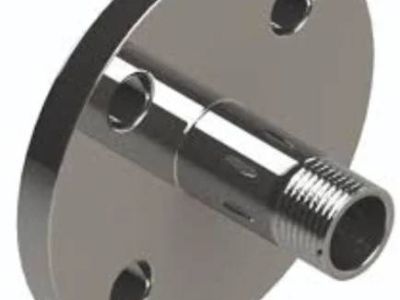
Threaded flange adapters are essential components in piping systems, providing a reliable method for connecting pipes and fittings with threaded ends. Understanding the material properties and pressure ratings of these adapters is crucial for B2B buyers, including purchasing managers and engineers, who seek to ensure durability and compatibility in their projects. This guide will help you navigate the critical factors associated with threaded flange adapters, enabling you to make informed purchasing decisions
Key Considerations
When selecting a threaded flange adapter, several key factors should be considered to ensure optimal performance and reliability. First, the material of the adapter is paramount. Stainless steel and carbon steel are commonly used materials, each offering distinct advantages depending on the application. Stainless steel is known for its corrosion resistance, making it ideal for environments exposed to moisture or chemicals, while carbon steel is often preferred for its strength in high-pressure applications
Another critical consideration is the pressure rating of the adapter. Pressure ratings indicate the maximum pressure the adapter can withstand without failure. It is essential to match the pressure rating of the adapter with the system requirements to prevent leaks or catastrophic failures. Additionally, the dimensions and thread specifications must align with the existing piping system to ensure a secure fit
Finally, consider the adapter's intended application. Whether for water supply, fire protection, or HVAC systems, understanding the specific requirements of your project will guide you in selecting the appropriate threaded flange adapter
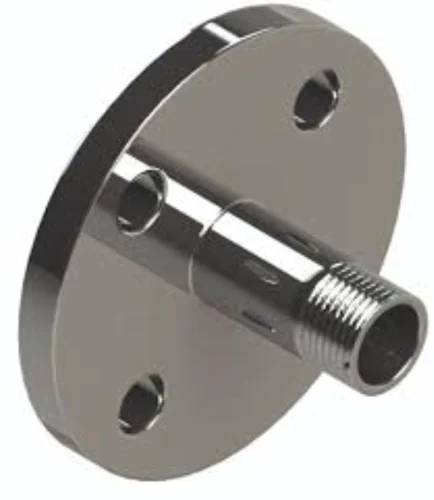
How to Choose the Right Threaded Flange Adapter for Your Project
Choosing the right threaded flange adapter begins with a thorough assessment of your project requirements. Start by determining the material needs based on the operating environment. For instance, if your project involves corrosive substances or high humidity conditions, stainless steel should be prioritized. Conversely, if strength and impact resistance are critical, carbon steel may be more suitable
Next, evaluate the pressure requirements of your application. Review the specifications of the fluid or gas being transported and ensure that the adapter's pressure rating exceeds these needs. A common mistake is opting for an adapter with a lower pressure rating, which can lead to failure under operational stress
Moreover, dimensions play a crucial role in compatibility. Measure the outer diameter of the pipe and confirm the thread type (NPT, BSP, etc.) to avoid installation issues. It can be beneficial to request samples or detailed dimensional drawings from your supplier to ensure an accurate fit
Lastly, consider any customization requirements. If your project has unique specifications, inquire about the manufacturer's ability to produce custom threaded flange adapters tailored to your needs
What to Look For
When sourcing threaded flange adapters, several attributes should be scrutinized to ensure quality and performance. First, verify the manufacturing standards and certifications of the supplier. Look for adherence to industry standards, such as ASTM or ISO, which can indicate a commitment to quality and reliability
Inspect the surface finish of the threaded flange adapter. A smooth finish can improve sealing performance and reduce the risk of leakage. Additionally, check for any visible defects or irregularities that may affect the adapter's integrity
Material certifications are also crucial. Ensure that the supplier can provide documentation confirming the material composition and properties. This transparency helps confirm that the product meets your specific application needs
Finally, consider the supplier's reputation and experience in the industry. A supplier with a proven track record in manufacturing threaded flange adapters is more likely to understand the nuances of quality control and production challenges
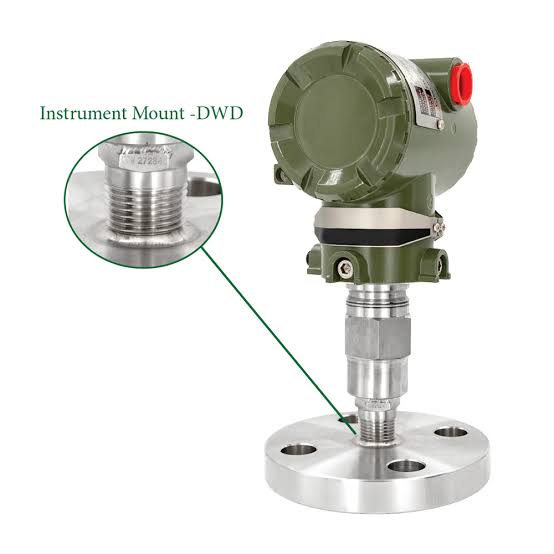
Installation Guidelines for Threaded Flange Adapters in Industrial Settings
Proper installation of threaded flange adapters is essential to ensure long-term reliability and performance. Begin by conducting a thorough inspection of the pipe threads to ensure they are clean and free of debris. Any contaminants can compromise the seal and lead to leaks
When installing the adapter, use appropriate thread sealants or tape to enhance the sealing properties. Be cautious not to over-tighten the adapter, as this can lead to thread stripping or fractures. A torque wrench should be used to apply consistent pressure as per the manufacturer’s recommendations
It is also advisable to perform a pressure test after installation to verify that there are no leaks. This step is crucial in industrial settings where safety and operational efficiency are paramount. Regular maintenance checks should be scheduled to inspect the condition of the threaded flange adapters and identify any signs of wear or corrosion
Cost Factors When Sourcing Threaded Flange Adapters in Bulk Orders
Cost considerations are an important aspect of sourcing threaded flange adapters, particularly for bulk orders. Several factors can influence pricing, including material costs, manufacturing processes, and order quantities
Firstly, the choice of material significantly affects the overall cost. Stainless steel typically commands a higher price than carbon steel due to its enhanced properties. Additionally, fluctuations in raw material prices can impact your purchasing budget, so it is wise to stay informed about market trends
Manufacturing capabilities and processes also play a role in cost. Adapters produced using advanced technology may incur higher initial costs but could offer better long-term savings through enhanced durability and reduced maintenance needs
Order quantities can lead to cost savings as well. Many manufacturers offer tiered pricing structures, where the unit price decreases with larger orders. However, consider the potential for overstocking and the associated storage costs
Lastly, shipping and handling expenses should not be overlooked. Evaluate the shipping options provided by the supplier and factor these costs into your total budget. It's important to weigh the benefits of purchasing from a local supplier against potential savings from overseas manufacturers
By understanding these key factors, you can make informed decisions when sourcing threaded flange adapters, ultimately leading to a successful project outcome