
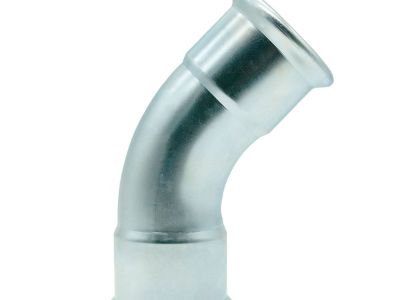
When sourcing steel pipe and fittings for industrial applications, understanding the capabilities and reliability of suppliers is critical. This guide, centered on "Steel Pipe and Fittings Suppliers: How to Evaluate Capacity and Lead Time," addresses common buyer concerns such as material quality, lead times, and supplier reliability. By the end of this article, you will have actionable insights to help you make informed purchasing decisions regarding steel pipe and press fitting.
How to Choose Reliable Steel Pipe and Fittings Suppliers?
Selecting a trustworthy supplier for steel pipe and fittings is essential for ensuring the quality and reliability of your projects. Start by assessing their industry experience. A supplier with over 20 years in the business, like CHNCON, often indicates stability and expertise. Look for suppliers who specialize in your required materials, such as stainless or carbon steel, and check their product range to ensure they meet your application's needs.
Furthermore, evaluate their certifications and quality control processes. A reputable supplier should adhere to international standards and possess relevant certifications, which can assure compliance with safety and quality benchmarks. Lastly, seek feedback from existing customers or review case studies to gauge the supplier's reliability and customer service history.
Key Specifications to Compare in Steel Pipe and Fittings
When comparing steel pipe and fittings, focus on several critical specifications that directly impact performance:
Material Composition: Different applications may require specific material characteristics. For instance, stainless steel is ideal for corrosive environments, while carbon steel is often chosen for strength and cost-effectiveness.
Dimensions and Wall Thickness: Ensure that the dimensions meet your project's requirements. Wall thickness contributes to the pipe's pressure rating; selecting the wrong thickness could lead to failures under pressure.
Connection Types: Evaluate the types of ss press fitting available, such as threaded, welded, or flanged connections. Compatibility with existing systems is crucial.
Pressure Ratings: Confirm the pressure ratings to ensure they align with your operational requirements. Using fittings that can't handle the intended pressure can lead to catastrophic failures.
Surface Finish: Surface treatment can affect corrosion resistance and aesthetic appeal. Be sure to discuss the available options with potential suppliers.
Understanding these specifications will help you compare products effectively and choose the best option for your needs.
How to Assess Supplier Capacity for Bulk Orders of Pipe Fittings?
Assessing a supplier's capacity to fulfill bulk orders is vital to avoid delays in your supply chain. Start by asking about their production capabilities, including maximum output per month and the technology they use. Advanced manufacturing techniques, like those employed by CHNCON, can enhance efficiency and quality.
Next, inquire about their current order backlog and lead times. A reliable supplier should provide transparent estimates for order fulfillment. If the supplier is unable to meet your timeline, it may be a red flag.
Additionally, consider their inventory management practices. A supplier with a robust inventory system can ensure timely delivery and reduce the risk of stockouts. Finally, don't hesitate to request references from other customers who have placed similar orders, as this can provide insight into the supplier's capacity and reliability.
Cost Factors to Consider When Purchasing Steel Pipe Products
When budgeting for steel pipe and fittings, several cost factors come into play beyond the initial unit price. First, consider the material costs, as prices for stainless steel may vary significantly from carbon steel. Additionally, think about the total cost of ownership, which includes shipping, handling, and any potential tariffs or duties.
Next, account for customization costs. If your project requires specific dimensions or materials, these customizations may increase the overall price. Moreover, consider the impact of order volume on pricing; suppliers often provide better rates for larger orders.
Lastly, be aware of quality costs. Investing in high-quality materials may come with a higher upfront cost but can lead to savings in maintenance and replacement over time. Calculate the long-term value rather than focusing solely on the initial purchasing cost.
Material Advantages of Stainless vs. Carbon Steel Pipes
Both stainless and carbon steel pipes offer distinct advantages depending on the application:
Stainless Steel: Known for its corrosion resistance, stainless steel is ideal for applications involving water supply, food processing, or chemical transport where exposure to corrosive elements is a concern. Its low maintenance needs and durability make it a preferred choice for long-term projects.
Carbon Steel: Carbon steel is favored for its strength and cost-effectiveness, making it suitable for structural applications and high-pressure systems. However, it is more susceptible to corrosion, which may necessitate additional protective measures in certain environments.
Ultimately, the choice between stainless and carbon steel should be guided by the specific requirements of your project, including environmental conditions, load-bearing needs, and budget constraints.
By understanding these key aspects of evaluating steel pipe and stainless pipe fittings suppliers, you will be better prepared to make informed purchasing decisions that align with your project's requirements and objectives.