
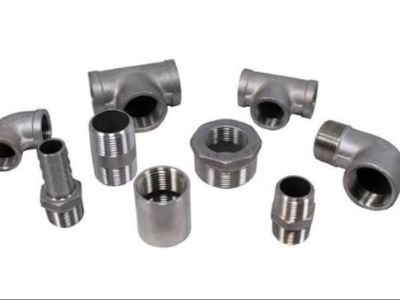
Understanding the evaluation criteria for choosing stainless steel threaded pipe fittings suppliers is crucial for B2B buyers in industries such as construction, HVAC, and fire protection. This article outlines key specifications, assesses supplier reliability, highlights common installation issues, explores industry applications, and compares stainless steel with other materials. Buyers can use this information to ensure they are making informed purchasing decisions, thereby minimizing risks associated with quality and performance
Key Specifications for Quality Stainless Steel Threaded Pipe Fittings
When evaluating stainless steel threaded stainless steel press fit pipe fittings, several key specifications must be considered to ensure product quality and application suitability. These specifications include
Material Grade: Stainless steel fittings are commonly made from grades such as 304 and 316. Grade 316 offers superior corrosion resistance, making it suitable for marine or chemical environments. Buyers should determine which grade best suits their application to avoid premature failure
Dimensions and Tolerance: Accurate dimensions are critical for compatibility with existing piping systems. Threaded fittings must adhere to industry standards (such as, NPT or BSP). Tolerance levels should be clearly defined; deviations can lead to leaks or system failures
Pressure Rating: The pressure rating indicates the maximum pressure the fitting can withstand. This is vital for applications where high pressure is expected, such as in fire protection systems. Buyers should verify that the rating meets or exceeds the requirements of their specific application
Surface Finish: A smooth surface finish is essential for preventing corrosion and ensuring proper sealing. Buyers should verify the manufacturer’s finishing process to ensure it meets the necessary standards
Certification and Compliance: Look for certifications such as ISO 9001, which indicate a commitment to quality management systems. Compliance with industry standards (such as, ASTM, ASME) should also be confirmed
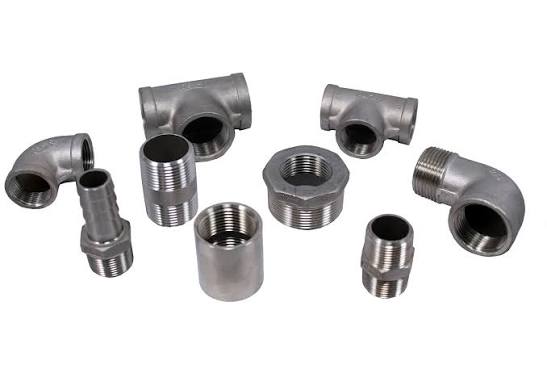
How to Evaluate Supplier Reliability for Pipe Fitting Purchases
Evaluating supplier reliability is crucial for ensuring a consistent supply of quality products. Here are key factors to consider
Experience and Reputation: Suppliers with a proven track record in the industry often have established quality control processes. Researching customer reviews and seeking references can provide insights into their reliability
Manufacturing Capabilities: Assess whether the supplier has the machinery and technology to produce the required fittings. Advanced manufacturing techniques, such as precision machining and automated quality checks, enhance product consistency
Quality Control Processes: Inquire about the supplier’s quality assurance practices. Effective quality control, including in-process inspections and final testing, is essential for ensuring that products meet specifications
Lead Times and Order Fulfillment: Reliable suppliers should provide clear timelines for order fulfillment. Delays can impact project schedules, so understanding a supplier's capacity to meet demand is critical
After-Sales Support: A supplier’s commitment to customer service is vital. Responsive support for issues such as returns, replacements, or technical inquiries can significantly enhance the purchasing experience
Common Installation Issues with Stainless Steel Threaded Pipe Fittings
While stainless steel threaded pipe fittings offer many benefits, improper installation can lead to issues. Here are common problems and solutions
Cross-Threading: This occurs when threads are misaligned during installation, leading to leaks. To prevent this, ensure fittings are aligned correctly before tightening. Using thread sealant can also help create a better seal
Over-Tightening: Excessive torque can damage the fitting threads, leading to leaks or failures. Installers should follow manufacturer guidelines on torque specifications and use a torque wrench for accuracy
Temperature and Pressure Changes: Sudden changes can cause fittings to expand or contract, potentially leading to leaks. It’s essential to consider the operating environment and select fittings that can withstand expected thermal and pressure variations
Corrosion: While stainless steel is generally resistant, improper material pairing (such as, stainless steel fittings with carbon steel pipes) can lead to galvanic corrosion
Applications of Stainless Steel Threaded Pipe Fittings in Industry
Stainless steel threaded pipe fittings are versatile components used in various industrial applications, including
Water Supply Systems: Their corrosion-resistant properties make them ideal for potable water applications. Stainless steel fittings ensure that water quality remains uncompromised
Fire Protection Systems: These fittings are crucial in fire sprinkler systems due to their ability to withstand high pressure and temperature. They help ensure reliable performance in emergency situations
HVAC Systems: In heating, ventilation, and air conditioning systems, stainless steel fittings are used for their durability and resistance to corrosion, especially in humid environments
Chemical Processing: The chemical resistance of stainless steel makes these fittings suitable for transporting various corrosive substances in manufacturing processes
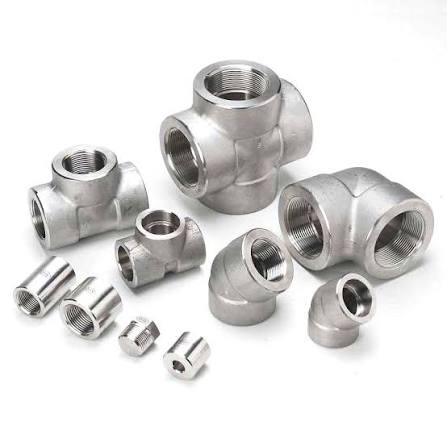
Comparing Material Advantages of Stainless Steel vs. Other Fittings
When selecting pipe fittings, material choice significantly impacts performance. Here’s how stainless steel compares to other common materials
Stainless Steel vs. Brass: While brass fittings offer good corrosion resistance, they are more susceptible to Dezincification in harsh environments. Stainless steel, especially grade 316, provides superior corrosion resistance and durability
Stainless Steel vs. PVC: PVC fittings are lightweight and resistant to corrosion, but they cannot handle high-temperature or high-pressure applications. Stainless steel fittings excel in high-stress environments, making them more suitable for critical applications
Stainless Steel vs. Carbon Steel: Carbon steel fittings are cost-effective but prone to rust and corrosion. Stainless steel fittings provide long-term reliability, particularly in environments exposed to moisture or chemicals
Cost Considerations: While stainless steel fittings may have a higher initial cost, their durability and lower maintenance needs often result in lower total cost over time, particularly for applications where reliability is critical
In summary, understanding the evaluation criteria for stainless steel threaded stainless pipe fittings is essential for making informed purchasing decisions. By considering specifications, supplier reliability, installation best practices, industry applications, and material comparisons, buyers can effectively meet their project needs while minimizing risks associated with quality and performance
Table of Contents
- Key Specifications for Quality Stainless Steel Threaded Pipe Fittings
- How to Evaluate Supplier Reliability for Pipe Fitting Purchases
- Common Installation Issues with Stainless Steel Threaded Pipe Fittings
- Applications of Stainless Steel Threaded Pipe Fittings in Industry
- Comparing Material Advantages of Stainless Steel vs. Other Fittings