
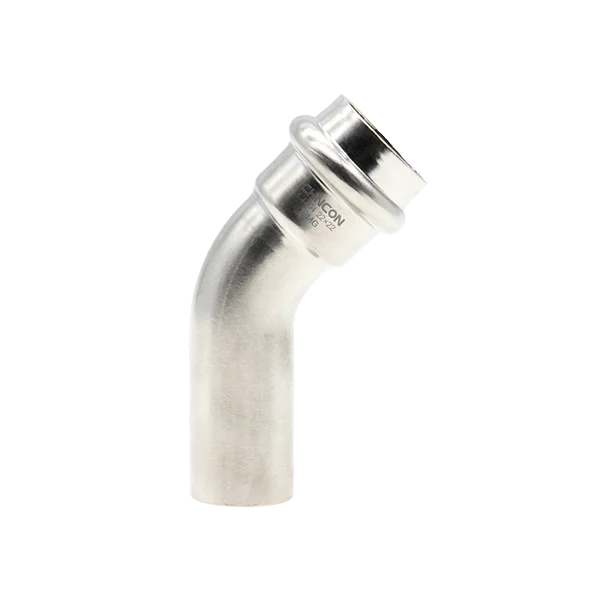
Choosing the right manufacturer for stainless steel press fittings is crucial for ensuring product quality, safety, and long-term performance in various applications. This article will guide you on how to choose a reliable stainless steel press fittings manufacturer by addressing key specifications, sourcing options, and common issues in the industry. Whether you’re a purchasing manager, distributor, or engineer, understanding these aspects will help you make informed decisions that meet your project requirements.
Key Specifications to Consider When Choosing a Manufacturer
When selecting a stainless steel press fittings manufacturer, several specifications are critical for ensuring product suitability.
Material Composition: The most common materials used for press fittings are stainless steel grades 304 and 316. Grade 304 is suitable for many applications, while 316 offers enhanced corrosion resistance, especially in marine environments or where chemicals may be present.
Pressure Ratings: Different applications require fittings that can withstand varying pressure levels. Manufacturers should provide detailed information about the pressure ratings of their products, ensuring they meet the demands of water supply, fire protection, or HVAC systems.
Dimensions and Tolerances: Accurate dimensions are essential for the proper fit and function of press fittings. Buyers should request detailed dimension charts and tolerances to avoid compatibility issues during installation.
Certification and Compliance: Ensure the manufacturer complies with relevant industry standards and certifications, such as ISO 9001 for quality management systems or certifications from recognized bodies like ASTM or ASME. This compliance indicates a commitment to quality and consistency.
Quality Control Processes: A manufacturer’s quality control measures are vital for ensuring the reliability of their products. Inquire about their inspection processes, including material testing and performance assessments, to ensure adherence to specifications.
By confirming these specifications with potential manufacturers, you can mitigate risks associated with product performance and application suitability.
Where to Find Reliable Suppliers for Press Fittings Bulk Orders
Finding reliable suppliers for bulk orders of stainless steel press fitting can significantly impact your project's success. Here are some effective strategies:
Industry Trade Shows and Expos: Attending industry-specific trade shows allows you to meet manufacturers and suppliers face-to-face, assess their product offerings, and establish relationships. This direct interaction can provide insights into their capabilities and reliability.
Online B2B Marketplaces: Websites like Alibaba, ThomasNet, and Global Sources can connect you with a wide range of manufacturers. Look for suppliers with verified ratings and customer reviews to gauge their reliability.
Industry Associations and Directories: Organizations such as the American Society of Mechanical Engineers (ASME) or local manufacturing associations often provide directories of reputable manufacturers. These resources can help you find established companies with proven track records.
Referrals and Recommendations: Networking within your industry can yield valuable recommendations. Speak with colleagues or industry contacts who have experience with specific manufacturers to get firsthand insights into their reliability and product quality.
Supplier Evaluations: Once you identify potential suppliers, conduct a thorough evaluation. Request samples, review production capabilities, and assess their customer service responsiveness to ensure they meet your requirements.
By employing these strategies, you can build a shortlist of reliable suppliers capable of fulfilling your bulk orders efficiently.
Stainless Steel Press Fittings for Wholesale Buyers
Wholesale buyers of stainless steel press fit pipe fittings must consider several factors to ensure they receive the best value and quality.
Minimum Order Quantities (MOQs): Understand the MOQ set by the manufacturer. Some suppliers may require large orders, which can impact your cash flow and storage capabilities. Look for manufacturers who offer flexible MOQs.
Pricing Structures: Compare pricing among different suppliers while considering the quality of the fittings. A lower price may not always reflect the best value if the quality is compromised. Request detailed quotes that include shipping and handling costs to get an accurate picture.
Customization Options: For unique applications, check if the manufacturer offers customization options. This may include specific dimensions, finishes, or packaging requirements that cater to your needs.
Lead Times: Ensure that the manufacturer can meet your delivery timelines. Discuss typical lead times for bulk orders, and factor in any potential delays related to production capacity or shipping.
After-Sales Support: Evaluate the level of support provided post-purchase. Reliable manufacturers often offer customer service for installation assistance, warranty claims, and product issues that may arise after delivery.
By focusing on these aspects, wholesale buyers can make informed decisions that align with their operational goals.
Common Problems with Press Fittings and Their Solutions
While stainless steel pro press fittings are known for their durability, several common issues can arise during their use. Understanding these problems and their solutions can help ensure long-term performance.
Leaks: One of the most common issues is leakage, which can occur due to improper installation or compatibility issues with different pipe materials. To mitigate this, ensure that the fittings are correctly pressed using the appropriate tools and that they are compatible with the pipes being used.
Corrosion: Although stainless steel is resistant to corrosion, it can still occur under certain conditions, especially if lower-grade stainless steel is used. Selecting the correct grade, such as 316 for corrosive environments, is essential for preventing this issue.
Poor Fit: A poor fit can lead to installation challenges and potential failures. To avoid this, confirm the dimensions and tolerances of the fittings with the manufacturer before ordering, and ensure that your installation team has the necessary tools and training.
Material Degradation: Over time, exposure to harsh chemicals or extreme temperatures can degrade materials. Regular inspections and using fittings designed for specific applications can help prevent material degradation.
Installation Errors: Misalignment or improper pressing can lead to fitting failures. Providing comprehensive training for installation teams and using standardized procedures can help minimize these errors.
By being aware of these common problems and implementing preventive measures, buyers can enhance the reliability of their press fittings.
Understanding Material Advantages of Stainless Steel Fittings
Stainless steel press fittings offer a range of advantages over other materials, making them a preferred choice in many applications.
Corrosion Resistance: Stainless steel is inherently resistant to corrosion, making it ideal for applications involving water, chemicals, or varying environmental conditions. This durability extends the lifespan of the fittings and reduces maintenance costs.
Strength and Durability: Stainless steel fittings are robust and can withstand high pressures and mechanical stresses. Their strength ensures they perform well in demanding situations, such as in fire protection and HVAC systems.
Hygienic Properties: Stainless steel is non-porous and easy to clean, making it suitable for applications in food processing and healthcare. Its hygienic properties help prevent contamination and support compliance with health regulations.
Versatility: Stainless steel pipe press fittings can be used in various applications, including plumbing, heating, and cooling systems. Their adaptability allows for seamless integration into existing systems.
Aesthetic Appeal: The smooth and polished finish of stainless steel fittings enhances the overall appearance of installations. This aesthetic quality is particularly important in visible areas of commercial buildings.
By understanding these material advantages, buyers can better appreciate the value of stainless steel fittings in their projects, ensuring they select the most appropriate solutions for their needs.