
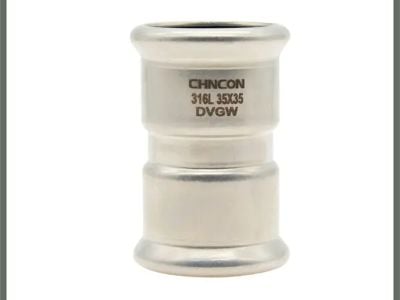
Purchasing a 3/4 inch stainless steel pipe can be a complex process, particularly for distributors and buying managers in industrial sectors. Given the critical applications these pipes serve, such as water supply, HVAC systems, and fire protection, ensuring the right specifications and quality is paramount. This article will guide you through essential sourcing tips, including key specifications to consider, installation guidelines, order expectations, common issues, and applications across various industries.
Key Specifications to Consider When Purchasing Stainless Steel Pipe
When sourcing 3/4 inch stainless steel pipes, several key specifications must be evaluated to ensure compatibility with your intended application.
Material Composition: The most common stainless steel grades for pipes are 304 and 316. Grade 304 offers good corrosion resistance and is suitable for general-purpose applications, while Grade 316 provides enhanced corrosion resistance, especially in marine or highly corrosive environments. Buyers should confirm the required grade based on their application needs.
Wall Thickness: The thickness of the pipe wall impacts its strength and pressure resistance. For instance, a schedule 40 pipe has a wall thickness of 0.113 inches, making it suitable for most general applications. However, if high pressure is a concern, opting for schedule 80 (0.179 inches) may be necessary. Always verify the necessary thickness for your specific application to avoid failures.
End Connections: Different applications may require specific types of end connections, such as threaded, welded, or socket connections. Ensure that the chosen pipe can accommodate the necessary fittings to avoid compatibility issues during installation.
Standards and Certifications: Look for compliance with industry standards such as ASTM A312, which governs the standard specification for seamless and welded austenitic stainless steel pipe fittings Certification ensures that the pipes meet performance and safety criteria.
Surface Finish: The surface finish can affect both aesthetic and functional properties. A polished finish may be desirable in visible applications, while a rougher finish might be suitable for industrial uses. Evaluate the surface requirements based on the intended application.
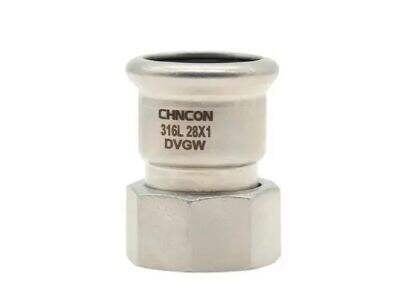
Installation Guidelines for 3/4 Inch Stainless Steel Pipe Solutions
Proper installation of 3/4 inch stainless steel pipe is crucial for ensuring their longevity and performance. Here are some guidelines to follow:
Preparation: Before installation, ensure that all components, including fittings and valves, are compatible with the pipe specifications. Clean all surfaces to remove debris or contaminants that may affect sealing.
Cutting and Joining: When cutting stainless steel pipes, use appropriate tools that minimize burrs and ensure straight edges. For joining, whether using welded or threaded connections, follow the manufacturer’s recommendations to achieve a secure fit.
Support and Alignment: Properly support the piping system to prevent sagging or undue stress on the joints. Use hangers or brackets at regular intervals, ensuring they are suitable for the pipe size and weight.
Testing: After installation, conduct pressure tests to ensure there are no leaks and that the system can handle the specified operating conditions. This step is vital for safety and operational efficiency.
Maintenance Access: Design the installation with maintenance access in mind. This consideration will save time and resources during routine checks or repairs.
What to Expect for Stainless Steel Pipe Orders
Understanding what to expect during the ordering process for 3/4 inch stainless steel pipes can streamline your procurement experience. Here are key factors to consider:
Lead Times: Production lead times can vary based on the manufacturer’s capacity, order size, and customization requirements. Standard sizes and specifications typically have shorter lead times, while custom solutions may require additional time for design and fabrication.
Minimum Order Quantities (MOQ): Manufacturers often set MOQs, which can impact your purchasing decisions. Be prepared to meet these requirements or negotiate terms if your needs are smaller.
Shipping and Handling: Consider shipping options and associated costs. Ensure that the supplier uses proper packaging methods to prevent damage during transit. Confirm whether the manufacturer provides delivery tracking.
Documentation and Certification: Upon delivery, expect to receive documentation such as material test reports and compliance certifications. These documents are essential for quality assurance and regulatory compliance.
-
Sample Approval: For large orders, request a sample before finalizing the entire order. This allows you to assess the quality and specifications firsthand, reducing the risk of issues during production.
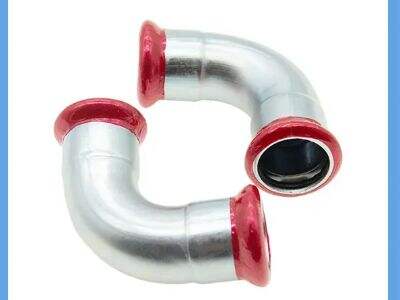
Common Problems with Stainless Steel Pipe and Their Solutions
Distributors and buyers may encounter several common problems when sourcing or using 3/4 inch stainless steel pipes. Here are typical issues and how to address them:
Corrosion: Even stainless steel can corrode under certain conditions, particularly in environments with high chloride exposure. To mitigate this, select the appropriate grade of stainless steel (like 316 for marine applications) and ensure proper installation to avoid moisture traps.
Leaking Joints: Improper installation can lead to leaking joints. Ensure that all connections are properly sealed and tightened, and consider using thread sealants where applicable.
Misalignment: Misaligned pipes can cause stress and potential failure. During installation, double-check alignment and support to ensure that the pipes are correctly positioned.
Surface Defects: Inspect pipes for surface defects that could affect performance. If defects are found, consult with the supplier regarding returns or replacements as needed.
Pressure Drops: If the system experiences pressure drops, verify that the pipe diameter and wall thickness are appropriate for the application. Additionally, check for blockages or improper fittings that may impede flow.
Applications of 3/4 Inch Stainless Steel Pipe in Various Industries
3/4 inch stainless steel pipes are versatile and find applications across multiple industries, including:
Water Supply Systems: Used for potable water distribution, these pipes are chosen for their corrosion resistance and durability, ensuring safe water delivery.
Fire Protection Systems: Stainless steel pipes are commonly utilized in fire suppression systems due to their ability to withstand high pressure and harsh environments.
HVAC Systems: They serve as conduits for heating, ventilation, and air conditioning systems, where their longevity and resistance to rust are vital for maintaining air quality.
Food and Beverage Processing: The sanitary properties of stainless steel make it ideal for food and beverage applications, helping to maintain hygiene and prevent contamination.
Chemical and Pharmaceutical Industries: Their resistance to a wide range of chemicals makes stainless steel pipes suitable for transporting various substances in these sensitive industries.
By understanding the specifications, installation requirements, and potential application areas of 3/4 inch stainless steel pipes, buyers can make informed decisions that enhance their procurement processes and meet industry standards effectively.
Table of Contents
- Key Specifications to Consider When Purchasing Stainless Steel Pipe
- Installation Guidelines for 3/4 Inch Stainless Steel Pipe Solutions
- What to Expect for Stainless Steel Pipe Orders
- Common Problems with Stainless Steel Pipe and Their Solutions
- Applications of 3/4 Inch Stainless Steel Pipe in Various Industries