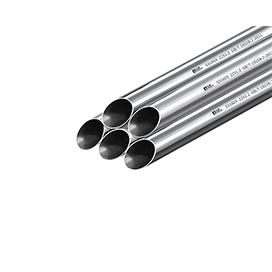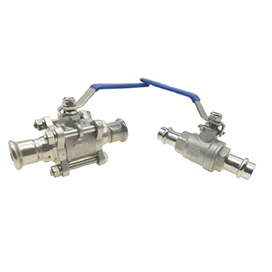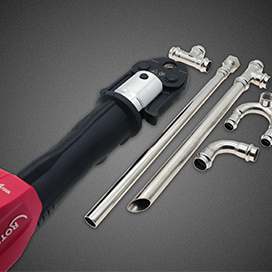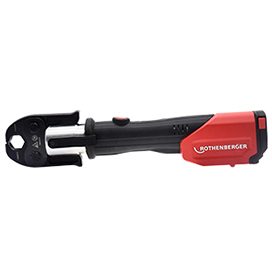
When selecting a tube, stainless steel 316 Products is often a top choice due to its exceptional resistance to corrosion and high temperatures. Understanding the nuances of this material is critical for purchasing managers and engineers who need to ensure that their chosen products meet the specific demands of their applications. This article will address key considerations in selecting stainless steel 316 tubes, evaluate quality factors, explore cost implications, discuss common installation issues, and provide a comprehensive buyer's guide.
When selecting a stainless steel 316 tube, several factors need to be considered. First, application suitability is paramount. Stainless steel 316 is ideal for environments exposed to corrosive elements, such as marine applications or food processing. The tube's ability to withstand higher temperatures also makes it suitable for HVAC systems and fire protection applications.
Diameter and wall thickness are critical specifications that directly affect the tube's performance. A thicker wall may provide additional strength but can also increase weight and cost. Conversely, a thinner wall may reduce costs but can compromise the tube’s integrity under pressure.
Additionally, buyers should consider any customization requirements for their project. Some applications may necessitate specific dimensions or finishes, which can be accommodated in the manufacturing process. Always confirm these details with your supplier to ensure compatibility with existing systems.
Quality evaluation of stainless steel 316 tubes can be multifaceted. Start by checking for certifications that indicate compliance with industry standards, such as ASTM A312 for seamless and welded stainless steel pipes. Ensure that the supplier provides mill test reports that detail the chemical and physical properties of the material.
Next, assess the manufacturing process. A reputable manufacturer, like CHNCON, will employ stringent quality control measures during production. This includes testing for defects, ensuring dimensional accuracy, and confirming that the tubes meet specified performance criteria.
Don't overlook the importance of conducting your own quality inspections upon receiving the product. Check for visual defects, measure dimensions against specifications, and, if applicable, conduct pressure tests to ensure the tubes can handle expected loads.
The cost of stainless steel 316 tubes is influenced by various factors. Material costs can fluctuate based on global market conditions for stainless steel, which is affected by demand and production levels.
Production methods also play a significant role in pricing. Tubes manufactured using advanced techniques may incur higher costs but often provide enhanced performance or durability. It’s essential to balance cost with the long-term value of the product.
Customization options can increase costs as well. If your project requires specific dimensions, finishes, or lengths, expect to pay a premium for these tailored solutions. Additionally, consider shipping and handling fees if your supplier is located overseas, as this can significantly impact your total procurement costs.
Finally, be aware of the minimum order quantities (MOQs) set by suppliers. Larger orders typically yield better pricing per unit, but ensure that your purchasing strategy aligns with your project needs to avoid excess inventory.
Installation of stainless steel 316 M Profile Press Fittings tubes can present challenges that, if not properly managed, can lead to costly delays. One common issue is misalignment during installation, which can cause stress on the joints and lead to leaks. To mitigate this, ensure that all components are precisely measured and that installation teams are trained in alignment techniques.
Another potential problem is corrosion at weld points. While stainless steel 316 is highly resistant to corrosion, improper welding can lead to localized corrosion. Use the correct welding techniques and filler materials to maintain the integrity of the stainless steel. Proper post-weld treatment, such as pickling or passivation, can enhance corrosion resistance.
Finally, be cautious of thermal expansion. Stainless steel expands with heat, and failure to account for this during installation can lead to structural issues. Incorporate expansion joints or flexible connections in your design to accommodate movement without compromising system performance.
Chncon has been a specialist in stainless steel pipe systems for over 20 years. The facility is 23000 square metres. Chncon offers 4 products, with more than Inox pipes that can meet the requirements of every customer. Chncon has been achieved for more than 30 accreditations at home and overseas.
Chncon has a professional RD team which has more than 10 engineers. That means we not only can provide you traditional pipe fittings, but also will provide the customizing service. We will offer our V press fitting and suggestions during the development and testing phase of a brand new product to help you realize your vision.
Chncon factory is home to 60 production lines with an outstanding capacity of production which is more than 300 000pcs pipes and fittings monthly produced This gives a high promise of timely delivery In the present Chncon' business have expanded to more than 500 cities in China and exported to more than 50 countries and regions benefiting nearly 20 million facilities Quality efficiency in production and a dvgw press fittings customer service Chncon is an excellent choice in pipeline area.
CHNCON is well-known within China. Quality and the dvgw press fittings are of the highest level. CHNCON has been accredited through ISO9001, OHSAS18001, ISO14001, DVGW, ICC-ES, WRAS, CSTB and WATERMARK certifications and more. We are dedicated to providing new pipeline products with important advantages, including being safe affordable, energy efficient, and environmentally friendly.
When preparing to procure stainless steel 316 tubes, several key pieces of information will streamline the process. Start by clearly defining the application requirements: what environment will the tubes operate in, what pressures will they encounter, and what are the temperature ranges?
Next, gather technical specifications such as desired dimensions, wall thickness, and any specific finishes or coatings required for your application. Prepare to share this information when requesting quotes from suppliers.
It’s also beneficial to request samples before making a bulk purchase. This allows you to evaluate the product's quality and compatibility with your systems. Compare samples from different suppliers to determine which product aligns best with your needs.
Lastly, ensure that you understand the logistics involved in your procurement. This includes lead times, delivery options, and any potential customs considerations if sourcing internationally. A well-prepared order request can facilitate smoother negotiations and ensure timely delivery of your stainless steel 316 tubes.

Copyright © Zhejiang Zhengkang Industrial Co., Ltd. All Rights Reserved - Privacy Policy