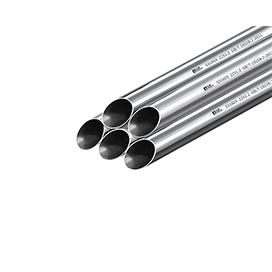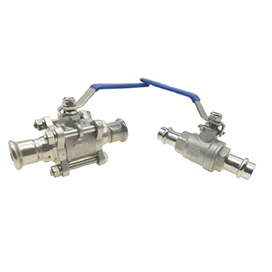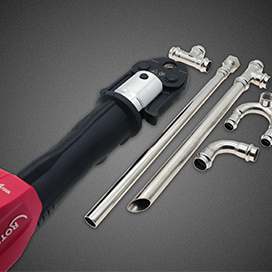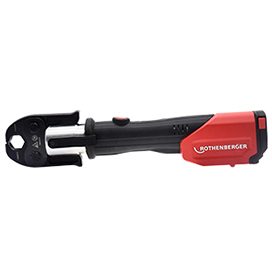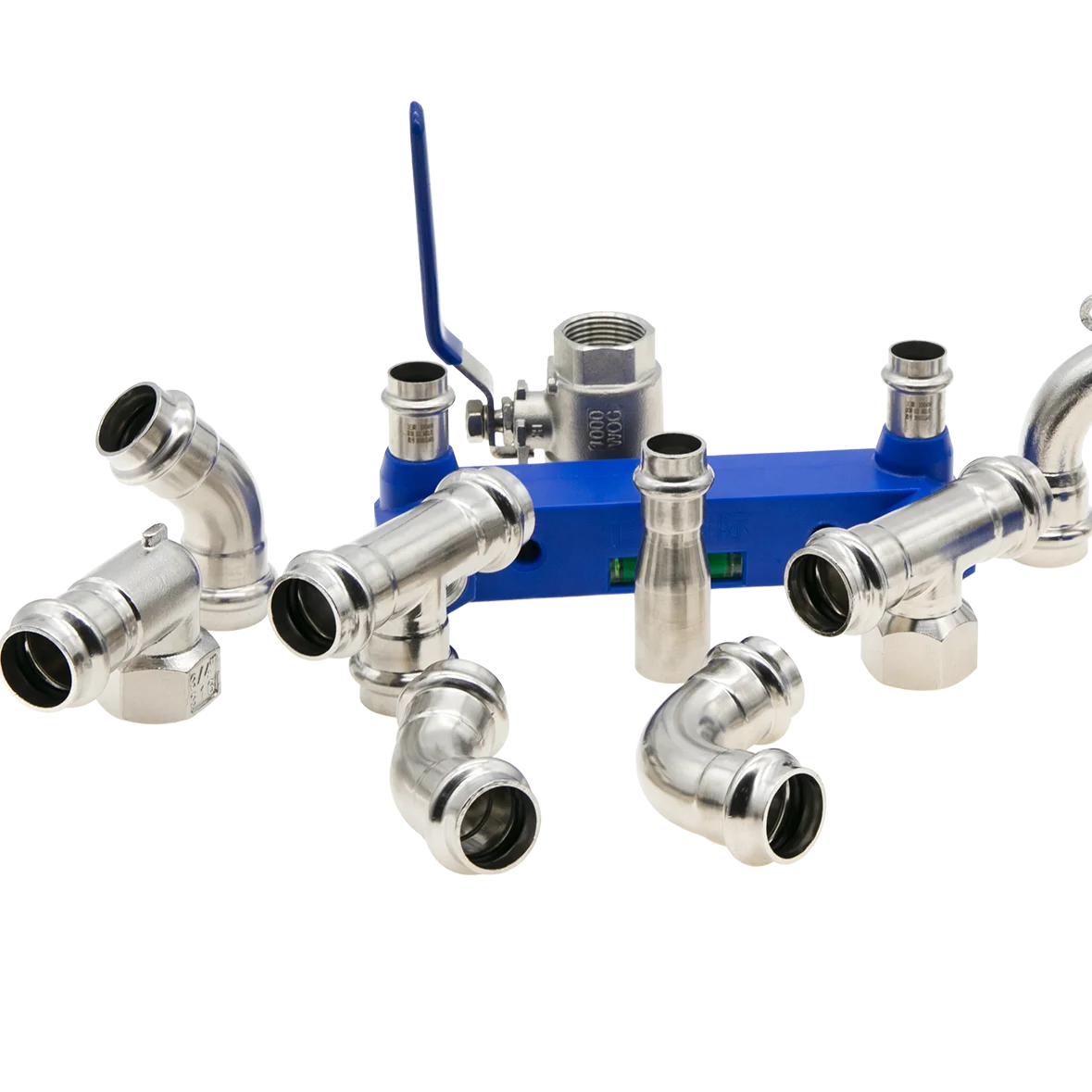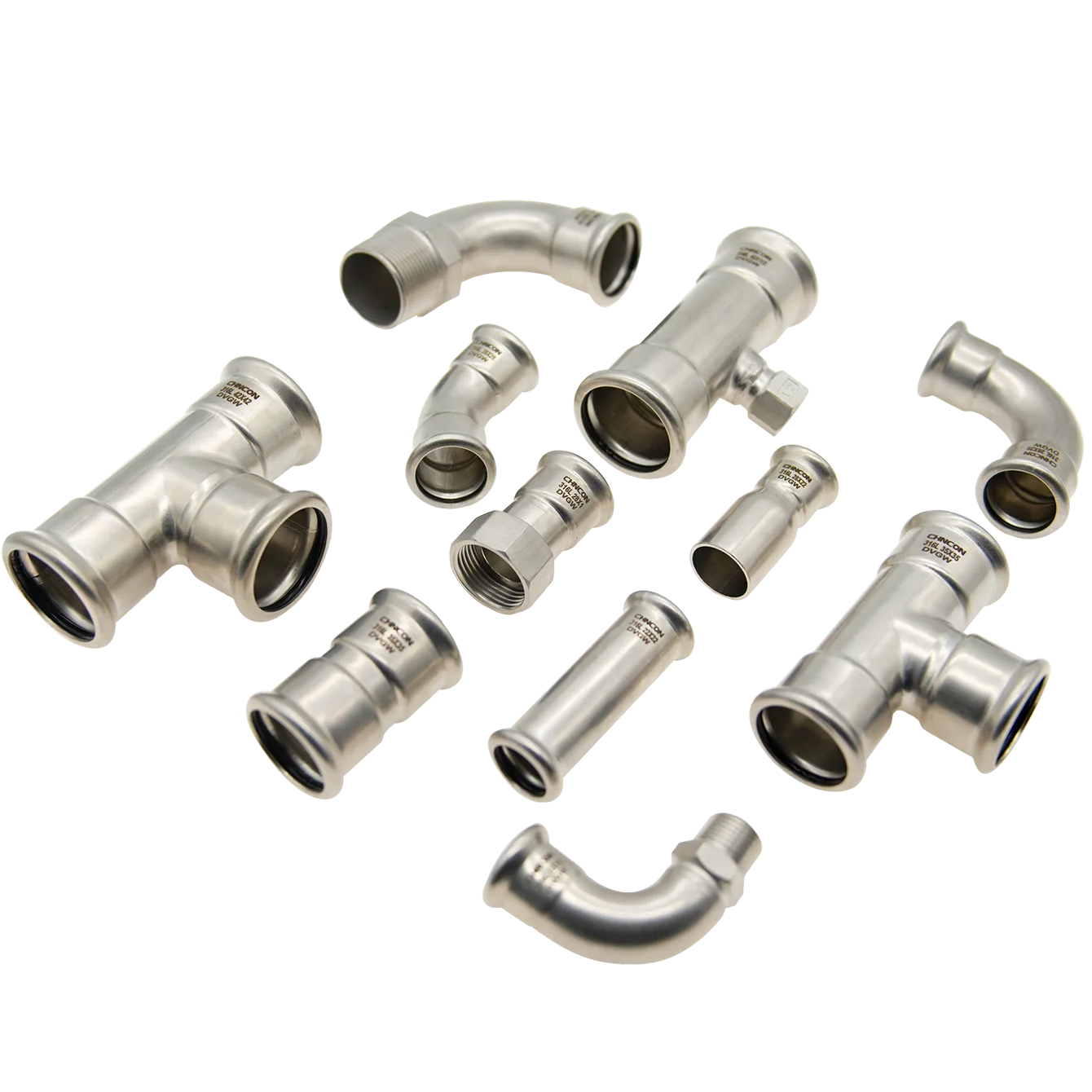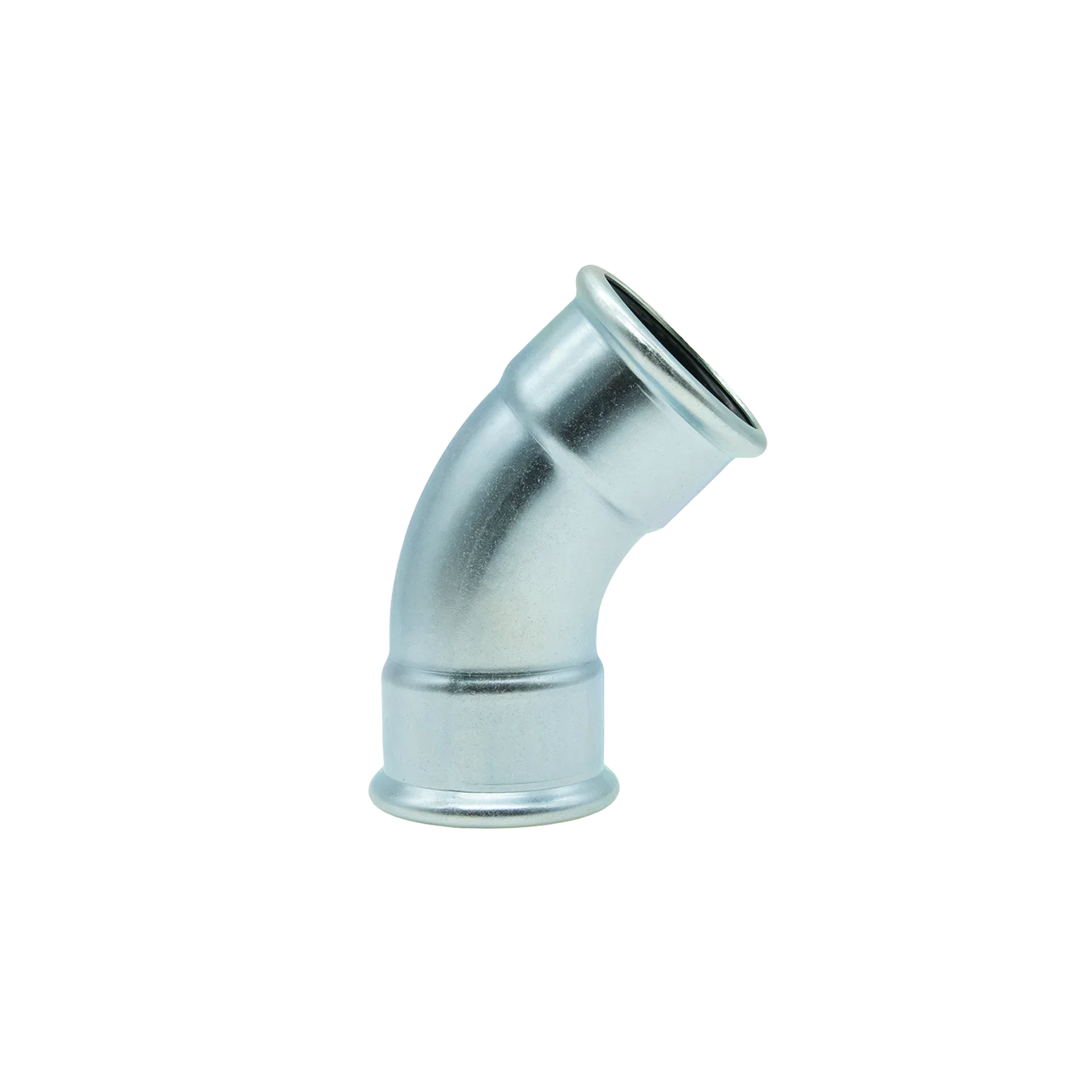
Stainless steel 304 tubes are widely used in various applications due to their excellent corrosion resistance, strength, and aesthetic appeal. For B2B buyers, understanding the specifications, sourcing reliable suppliers, and evaluating cost factors are crucial steps in making informed purchasing decisions. This article will delve into the key specifications of stainless steel 304 tubes, guide you on sourcing suppliers, discuss cost considerations, provide installation tips, and highlight the material advantages of using stainless steel 304 in manufacturing.
When evaluating stainless steel 304 tubes, several key specifications warrant attention:
Dimensions: The outer diameter (OD) and wall thickness are critical for ensuring compatibility with existing systems. Common sizes range from 1/2 inch to 12 inches in diameter. Buyers should verify that the dimensions adhere to industry standards, such as ASTM A312 or A213, which dictate the acceptable tolerances and properties.
Grade: Stainless steel 304 is known for its balance of good corrosion resistance and formability. Its chemical composition typically includes 18% chromium and 8% nickel, which contribute to its durability in various environments. Buyers should understand how these properties affect performance in specific applications, particularly in harsh environments.
Finish: The surface finish (such as polished or mill finish) impacts both aesthetics and functionality. A polished finish not only enhances appearance but also improves corrosion resistance, making it suitable for applications in food processing or medical environments.
Pressure Rating: Depending on the application, the pressure rating of the press valve is essential. Buyers should confirm the maximum allowable working pressure (MAWP) to ensure safety and compliance with local regulations.
Understanding these specifications will help buyers select the right stainless steel 304 tubes for their specific applications, minimizing the risk of compatibility issues and ensuring optimal performance.
Sourcing high-quality stainless steel 304 tubes begins with identifying reliable suppliers. Here are practical steps to consider:
Industry Experience: Look for manufacturers with a proven track record in producing stainless steel products. Companies like CHNCON, part of ZK International Group, leverage over 20 years of experience in manufacturing stainless steel press pipe fittings. Their expertise can be a valuable asset in ensuring product reliability.
Certifications: Check for relevant certifications such as ISO 9001, which indicates adherence to quality management standards. Other certifications related to specific industries (like food and beverage or pharmaceuticals) can also enhance trustworthiness.
Sample Requests: Before placing a large order, request samples to assess the quality firsthand. Evaluate the finish, dimensions, and material properties against your specifications. This step is crucial for avoiding potential quality issues in mass production.
Production Capabilities: Ensure the manufacturer can meet your required quantities and lead times. Assess their production capacity, machinery, and quality control processes to confirm they can deliver consistent quality.
Customer References: Ask for references from past customers, especially those in similar industries. press ball valve can provide insights into the supplier’s reliability, customer service, and product performance.
By carefully vetting suppliers and considering these factors, you can ensure that you source high-quality stainless steel 304 tubes that meet your business needs.
The cost of stainless steel 304 tubes can vary significantly based on several factors:
Material Costs: The price of raw propress pipe fittings, including nickel and chromium, directly affects the cost of stainless steel 304 products. Fluctuations in the market can lead to price variability, so it’s advisable to stay informed about current market trends.
Manufacturing Processes: Different manufacturing methods (such as seamless versus welded) can influence the overall cost. Seamless tubes typically incur higher production costs due to the more complex manufacturing process, but they offer superior strength and reliability.
Order Quantity: Many manufacturers have a minimum order quantity (MOQ). Larger orders can result in lower per-unit costs, while smaller orders may incur additional fees. Consider your inventory needs and order accordingly to optimize costs.
Customization: If you require specific dimensions, finishes, or other custom features, be prepared for potential upcharges. Discuss customization options early in the sourcing process to understand how they impact pricing.
Shipping and Handling: Factor in shipping costs, especially if you're sourcing internationally. Customs duties and import taxes can also add to the final price, so it’s crucial to consider these expenses in your budget.
Understanding these cost factors allows buyers to make informed decisions and negotiate effectively with suppliers.
Proper installation of stainless steel 304 tubes is essential to ensure optimal performance and longevity. Here are some practical tips:
Preparation: Before installation, inspect the tubes for any surface defects or damage. Ensure that the tubes are clean and free of contaminants that could affect joint integrity.
Alignment: Proper alignment of the tubes is vital for avoiding stress concentrations, which can lead to premature failure. Use appropriate jigs or fixtures during installation to maintain alignment.
Connection Methods: Depending on the application, various connection methods can be used, including welding, threading, or using fittings. Ensure that the chosen method is compatible with stainless steel 304 and meets the pressure and temperature requirements of your system.
Sealing: When using threaded connections, apply appropriate sealing materials to prevent leaks. Teflon tape or pipe joint compound can be effective, but ensure they are compatible with stainless steel to avoid chemical reactions.
Inspection: After installation, conduct a thorough inspection of all connections and joints. Pressure testing may be required to confirm that the system is leak-free and operating within specified parameters.
By following these installation tips, buyers can enhance the reliability of their systems and reduce the likelihood of maintenance issues down the line.
Chncon has a skilled RD team that includes more than 10 engineers. We are not limited to providing traditional pipe fittings, but we can also offer customization services. During new product's RD period, we will do our best to provide you with our Inox pipes and advice so that your ideas can be fully realized.
Chncon is home to 60 production lines and a monthly production capacity of over 300 000 units This means that the time to deliver can be assured Chncon has expanded its business to over 500 cities in China and exports to over V press fitting which benefits nearly 20 millions families High-end quality effective production time and thoughtful service Chncon is an excellent choice in pipeline area.
Chncon has been a specialist in stainless steel pipe systems for over 20 years. The facility is 23000 square metres. Chncon offers 4 products, with more than Ss press fitting that can meet the requirements of every customer. Chncon has been achieved for more than 30 accreditations at home and overseas.
CHNCON has earned the prestigious reputation in China The quality and service both are the best in the industry. Our company is accredited with ISO9001, OHSAS18001 and ISO14001 certifications, Press fitting, ICC-ES, WRAS, CSTB, WATERMARK etc. We are committed to bringing new pipeline products with significant advantages of healthy, safe, economical and energy-saving to every corner of the globe.
Stainless steel 304 offers several material advantages that make it a preferred choice for various manufacturing applications:
Corrosion Resistance: One of the standout features of stainless steel 304 is its excellent resistance to corrosion, especially in environments with moisture or chemicals. This property ensures longevity and reduces the need for frequent replacements, leading to cost savings over time.
Strength and Durability: Stainless steel 304 provides a good balance of strength and ductility, allowing it to withstand high pressures and stresses without compromising performance. This makes it suitable for demanding applications in industries such as HVAC, water supply, and fire protection.
Aesthetic Appeal: The smooth, polished surface of stainless steel 304 not only enhances its visual appeal but also makes it easier to clean. This is particularly important in industries where hygiene is paramount, such as food processing and pharmaceuticals.
Temperature Resistance: Stainless steel 304 maintains its mechanical properties at elevated temperatures, making it suitable for applications that involve heat exposure. This characteristic is critical in industries where thermal stability is required.
Versatility: Due to its favorable properties, stainless steel 304 is versatile and can be used in a wide range of applications, from industrial piping to architectural components.
By leveraging these advantages, manufacturers can enhance product quality and performance, ultimately contributing to improved operational efficiency and customer satisfaction.

Copyright © Zhejiang Zhengkang Industrial Co., Ltd. All Rights Reserved - Privacy Policy