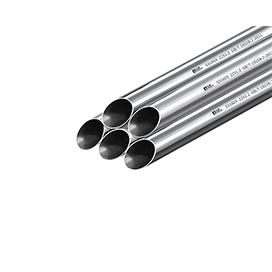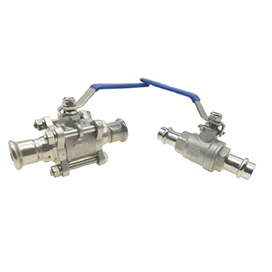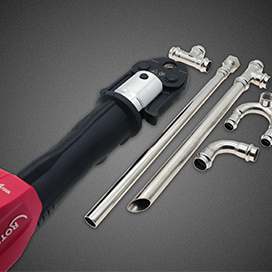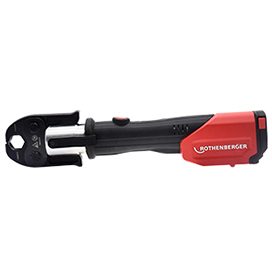
Stainless tubes and pipes are critical components in various applications, especially in industries such as water supply, fire protection, and HVAC systems. As a B2B buyer, your main concerns typically revolve around product quality, durability, material specifications, and supplier reliability. This article aims to guide you through the essential considerations for selecting stainless tubes and pipes, ensuring that you make informed purchasing decisions tailored to your specific needs
Selecting the appropriate stainless steel tube fittings and pipes begins with understanding the specific requirements of your project. Consider factors such as the intended application, environmental conditions, and any regulatory compliance that may apply
Application Suitability: Different applications may require varying grades of stainless steel. For example, Type 304 stainless steel is commonly used for general applications due to its good corrosion resistance, while Type 316 is preferred for environments exposed to chlorides, such as coastal areas
Dimensions and Specifications: It’s crucial to specify the dimensions of the tubes and pipes you require, including diameter, wall thickness, and length. These specifications not only affect the product's performance but also its compatibility with existing systems
Customization Needs: If your project requires specific features, such as unique fittings or custom lengths, ensure the manufacturer can accommodate these requests. Customization can enhance the performance and efficiency of your installation
By carefully assessing these aspects, you can better align your choices with the project requirements, ultimately improving the effectiveness of your installation
Finding a trustworthy supplier for stainless tubes and pipes is essential for ensuring product quality and reliability. Here are some strategies to identify reliable suppliers
Industry Reputation: Research suppliers' reputations within the industry. Look for manufacturers with a proven track record and positive reviews from previous clients. A company like CHNCON, with over 20 years of manufacturing experience and a presence in over 50 countries, can be a strong candidate
Certifications and Compliance: Check for relevant certifications that indicate adherence to quality standards. Certifications such as ISO 9001 can be an indicator of a supplier's commitment to quality management systems
Product Range and Capabilities: A supplier offering a diverse range of stainless tubes and pipes, along with manufacturing capabilities, may provide better options to meet your project needs. Ensure they can supply the necessary grades, sizes, and customizations required for your specific applications
Customer Support and Communication: Evaluate the supplier's customer service capabilities. A reliable supplier should be responsive to inquiries and provide clear communication throughout the purchasing process
By following these guidelines, you can identify suppliers that not only meet your material requirements but also align with your quality expectations
Quality evaluation of stainless tubes and pipes is critical, as it directly impacts the performance and longevity of your installation. Here are some aspects to consider
Material Composition: Verify the chemical composition of the stainless steel used in the tubes and pipes. This should align with your project requirements, especially in terms of corrosion resistance and strength
Manufacturing Processes: Understanding the manufacturing processes can give insight into the quality of the final product. Look for suppliers who employ modern manufacturing techniques and maintain strict quality control measures
Testing and Inspection: Request information on quality control procedures, including any testing performed on the products. Tests such as hydrostatic testing, corrosion resistance tests, and dimensional inspections help ensure that the products meet specified standards
Traceability: Ensure that the supplier can provide traceability for the materials used in the products. This is particularly important for applications in regulated industries, where documentation may be required for compliance
By assessing these quality indicators, you can ensure that the stainless 316 stainless steel tube and pipes you purchase meet the necessary performance criteria for your applications
The cost of stainless tubes and pipes can vary significantly based on several factors. Understanding these can help you make informed budget decisions:
Material Grade: The grade of stainless steel directly affects the price. Higher-grade materials, such as Type 316, typically cost more due to their enhanced properties
Manufacturing Complexity: Customizations or complex manufacturing processes may increase costs. If you require specific dimensions or additional features, factor these into your budget
Order Quantity: Many suppliers have minimum order quantities (MOQ) that can affect pricing. Larger orders may qualify for bulk discounts, while smaller orders may incur higher per-unit costs
Shipping and Logistics: Don’t forget to factor in shipping costs, which can vary based on destination and delivery speed. Make sure to clarify the delivery terms with your supplier to avoid unexpected expenses
Market Trends: Prices for raw materials can fluctuate based on market conditions. Staying informed about market trends can help you anticipate price changes and negotiate better deals
Understanding these cost factors will enable you to budget more effectively and avoid overspending on your stainless tube and pipe purchases
Chncon has 60 production lines and has a monthly capacity of over 300 000 pieces In this way the delivery time can be assured Chncon has expanded its operations to more than 500 Chinese cities and exports to over 50 nations which has benefited more than 20 million families Chncon a great option for pipelines provides high-quality reliable production times and Press fitting service
CHNCON has earned the prestigious reputation in China, the quality and service is at a first-class level. CHNCON is accredited with ISO9001, OHSAS18001, Inox pipes, DVGW, ICC-ES, WRAS, CSTB and WATERMARK certifications, etc. We are committed to delivering pipelines that are innovative and have important advantages, including being safe, energy-saving, and economical.
Chncon has a professional RD team that includes more than 10 engineers. We can not only provide standard pipe fittings, however we also offer custom services. During Stainless steel pipe time of RD for new products We will do our best to provide you with professional advice and suggestions so that your ideas can be well executed.
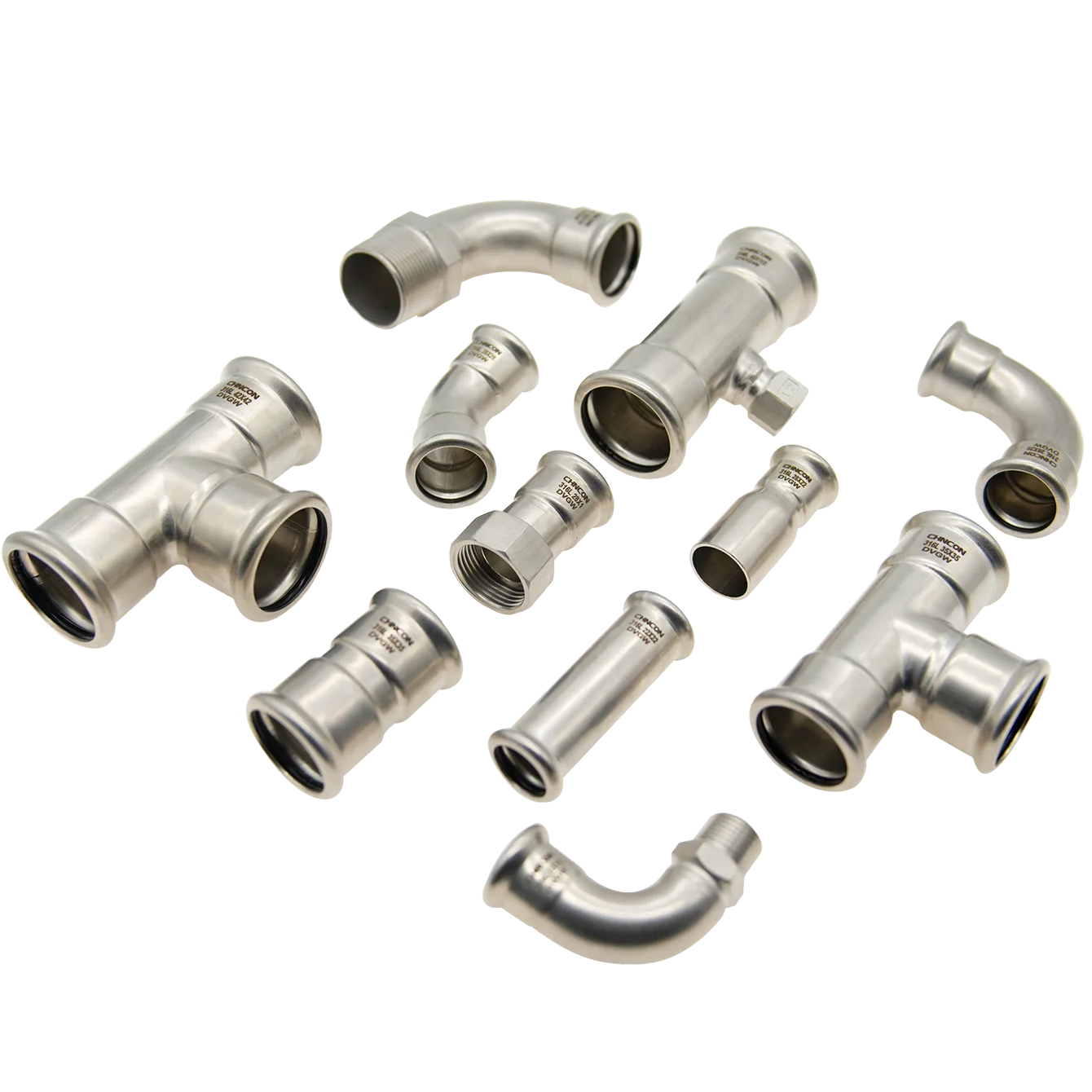
Chncon has been a specialist in stainless steel pipe systems for more than 20 years. The factory is 23000 square metres. Chncon offers four product lines, which include over 10,000 fittings, which can satisfy the Press fitting of every customer. Chncon is accredited for more than 30 different qualifications in the U.S. as well as abroad.
Proper installation of stainless tubes and pipes is vital to ensure long-term performance and reliability. Here are some key considerations for effective installation
Preparation: Before installation, ensure that all components are clean and free from contaminants. This minimizes the risk of corrosion and other issues after installation
Joining Techniques: Familiarize yourself with the appropriate joining techniques for stainless steel. Common methods include welding, threading, and the use of mechanical fittings. Each method has its own requirements and suitability depending on the application
Support and Alignment: Proper support and alignment of pipes are essential to avoid stress and potential failure. Ensure that all pipes are adequately supported and aligned before securing them in place
Testing After Installation: After installation, conduct pressure testing to ensure that there are no leaks. This is particularly important in applications such as water supply and fire protection systems
Maintenance Considerations: Plan for routine inspections and maintenance to prolong the life of the pipes. Regular checks can help identify wear and tear early, preventing costly repairs down the line
By following these installation guidelines, you can ensure that your stainless ss tube fittings and pipes will perform effectively in your specified applications, ultimately enhancing system reliability
Copyright © Zhejiang Zhengkang Industrial Co., Ltd. All Rights Reserved - Privacy Policy