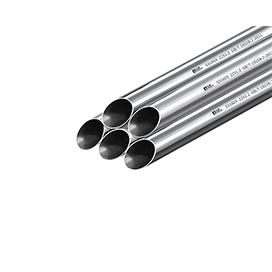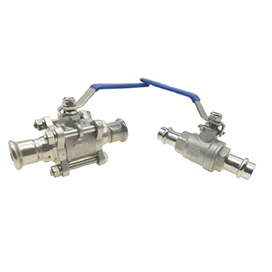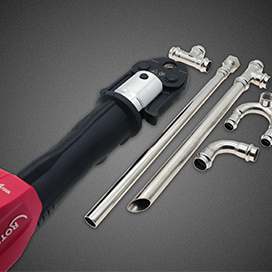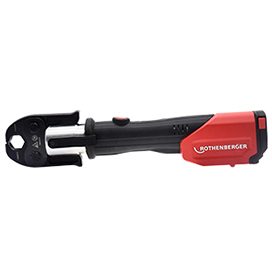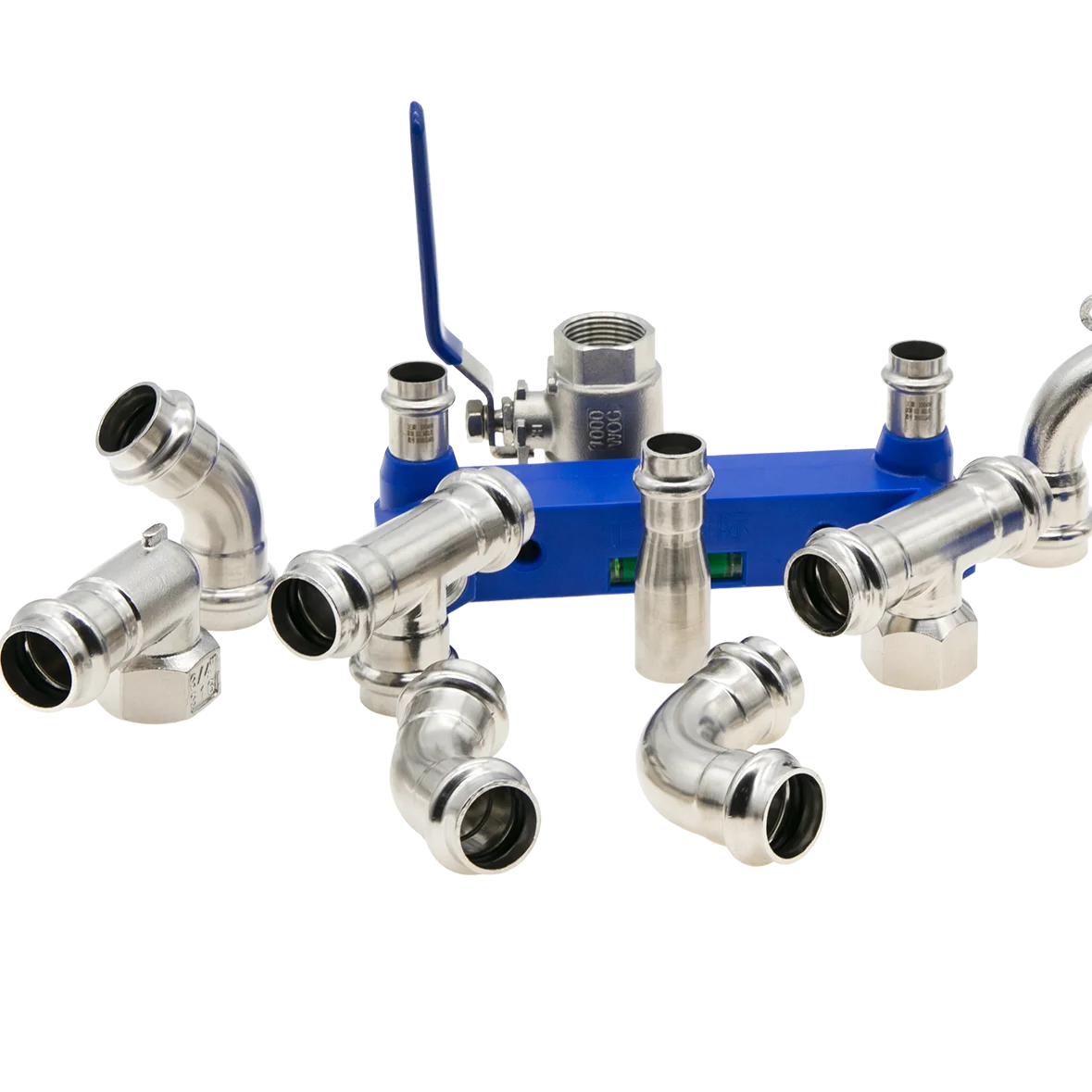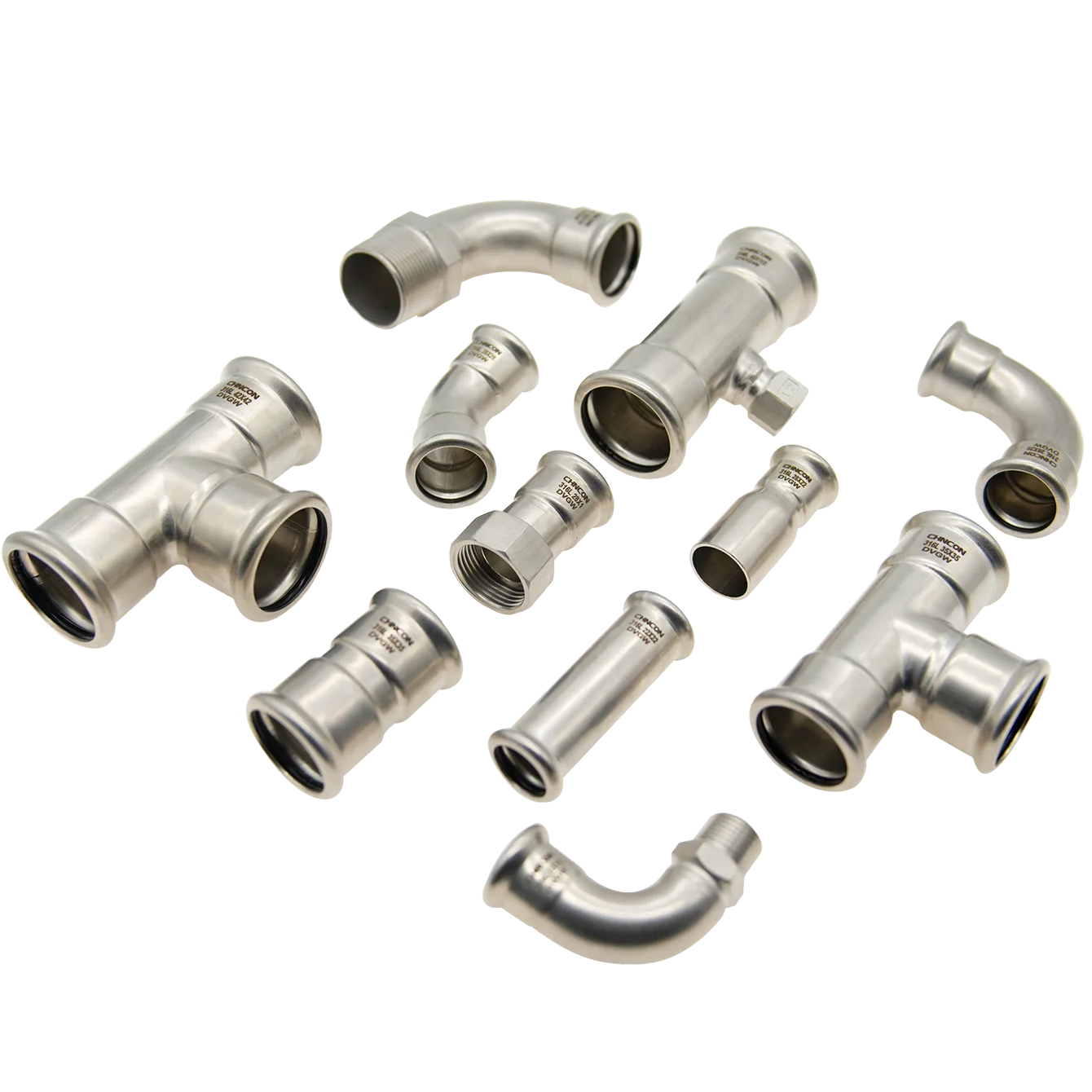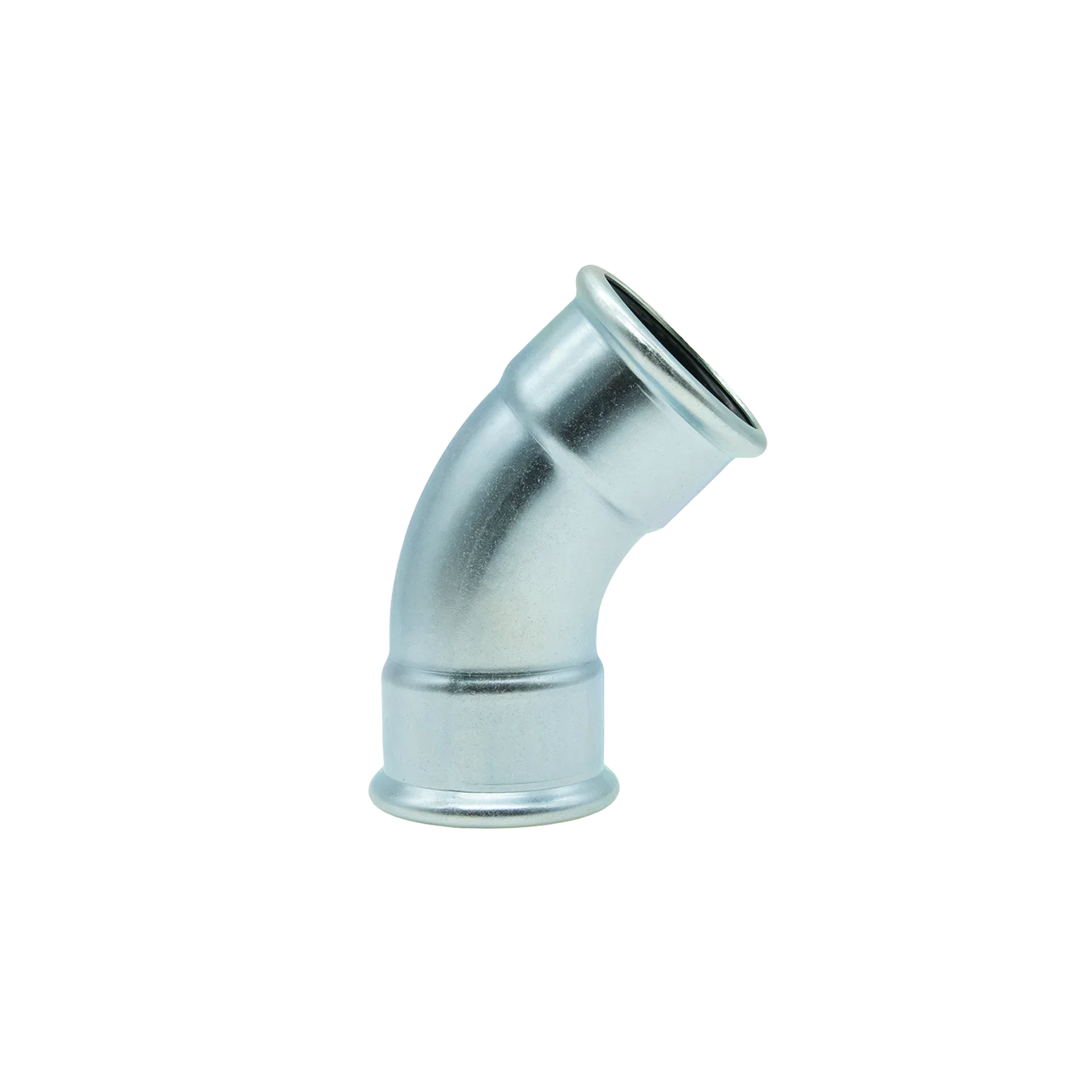
Stainless tube fittings are essential components in various piping systems, ensuring secure and leak-free connections. For B2B buyers, such as purchasing managers and engineers, the primary concerns often revolve around material quality, compatibility with existing systems, and overall durability. This article will guide you through the key specifications to consider when sourcing a CHNCON ss tube fittings, options for bulk orders, how to find reliable suppliers, cost factors, and technical insights that can enhance your decision-making process.
When sourcing stainless tube fittings, several key specifications must be considered to ensure the components meet performance requirements and application suitability.
Material Composition: Stainless steel is commonly used for its corrosion resistance and strength. The most prevalent grades are 304 and 316 stainless steel. While 304 is suitable for many applications, 316 offers enhanced resistance to chlorides and is ideal for marine or chemical environments.
Dimensions: The size of the fitting, including outer diameter, inner diameter, and wall thickness, is crucial for compatibility with existing piping systems. Ensure that the fittings align with the specifications of the pipes and the intended flow rates.
Pressure Ratings: Each fitting comes with a maximum pressure rating which indicates the highest pressure it can withstand without failing. This is vital in applications such as HVAC and fire protection where high pressure can be a concern.
Connection Type: Stainless tube fittings are available in various connection types such as threaded, welded, or push-fit. The selection depends on the application and installation method.
Surface Finish: The finish of the fitting can affect both its aesthetic appeal and performance. A polished surface may reduce friction and improve flow efficiency, while a rougher finish can increase surface area for bonding in certain applications.
Understanding these specifications will help ensure that the fittings you procure will perform reliably in your specific application.
For businesses requiring large volumes of stainless tube fittings, exploring wholesale options can lead to significant cost savings. Many manufacturers offer tiered pricing based on order quantity, which means the more you order, the lower the per-unit cost.
Minimum Order Quantities (MOQ): Different suppliers may have varying MOQs. Understanding these can help you align your purchasing strategy with your operational needs and budget constraints.
Bulk Discounts: Suppliers often provide discounts for bulk purchases. Buyers should inquire about price breaks available at different quantity thresholds to optimize purchasing costs.
Lead Times: When ordering in bulk, lead times can vary significantly based on the supplier’s production capacity and current inventory levels. It’s essential to communicate your deadlines clearly to ensure timely delivery.
Customization Options: Bulk orders may allow for customization in terms of dimensions or finishes. Discuss these possibilities with your supplier to tailor the fittings to your specific requirements.
By leveraging wholesale options, businesses can not only reduce costs but also ensure they have a consistent supply of fittings for their ongoing projects.
Identifying a trustworthy supplier for stainless tube fittings is crucial for maintaining quality and ensuring timely delivery. Here are some strategies to find reliable partners:
Industry Directories: Resources like ThomasNet or International Association of Plumbing and Mechanical Officials (IAPMO) can provide lists of verified manufacturers and suppliers in the plumbing and HVAC sectors.
Trade Shows and Expos: Attending industry trade shows allows buyers to meet suppliers face-to-face, inspect products, and discuss capabilities directly. This can lead to stronger supplier relationships.
Online Marketplaces: Platforms like Alibaba or Global Sources can help locate CHNCON 316 stainless steel tube manufacturers worldwide. However, ensure you vet suppliers thoroughly by checking reviews, asking for references, and requesting product samples.
Certifications and Compliance: Look for suppliers that have relevant certifications such as ISO 9001 for quality management. This indicates a commitment to quality and consistency in manufacturing processes.
Local Suppliers: Sometimes, local suppliers can offer quicker turnarounds and lower shipping costs. Additionally, they may be more responsive to urgent requests.
Choosing a reliable supplier is crucial for ensuring that your stainless tube fittings meet quality standards and are delivered on time.
Understanding the cost structure of stainless tube fittings can significantly influence purchasing decisions. Several factors contribute to the overall price, including:
Material Costs: The type of stainless steel used will impact the price. For instance, 316 stainless steel is generally more expensive than 304 due to its enhanced corrosion resistance.
Manufacturing Processes: Different fabrication methods, such as forging or machining, can affect costs. Forged fittings may offer better strength and durability but can be more expensive due to the manufacturing process.
Volume Discounts: As previously mentioned, ordering in bulk can lead to substantial savings. Buyers should always inquire about potential discounts based on order size.
Logistics and Shipping: Don’t overlook the costs associated with shipping and handling. Depending on the supplier’s location, these costs can vary and should be factored into the total expenses.
Customization Fees: If you require specific dimensions or finishes, be aware that customization may incur additional charges. It's advisable to discuss these upfront to prevent unexpected expenses.
By evaluating these cost factors, buyers can make informed decisions that align with their budget and project requirements.
CHNCON has earned the prestigious reputation in China The quality and service both are the best in the industry. Our company is accredited with ISO9001, OHSAS18001 and ISO14001 certifications, Press fitting, ICC-ES, WRAS, CSTB, WATERMARK etc. We are committed to bringing new pipeline products with significant advantages of healthy, safe, economical and energy-saving to every corner of the globe.
Chncon is a specialist in stainless steel pipe systems for over 20 years. The plant is located in 23000 square meters. Chncon has four product lines that include more than 10,000 pipe fittings that meet every customer's requirements. Chncon is a result of more than 30 certificates at home as well as Inox press fitting.
Chncon has a skilled En10312 with more than 10 engineers. We can not only provide conventional pipe fittings, but we also offer custom services. During new product's RD period We will do the best we can to offer our professional suggestions and advice to ensure that your ideas will be fully implemented.
Chncon has 60 production lines and has a monthly capacity of over 300 000 pieces In this way the delivery time can be assured Chncon has expanded its operations to more than 500 Chinese cities and exports to over 50 nations which has benefited more than 20 million families Chncon a great option for pipelines provides high-quality reliable production times and Press fitting service
For industry professionals, understanding the technical aspects of stainless tube fittings is essential for ensuring optimal application performance. Here are some key insights:
Temperature and Pressure Ratings: Each fitting has specific ratings that dictate its performance under varying conditions. For example, fittings used in high-temperature environments must be selected carefully to avoid failure.
Compatibility with Fluids: Different fluids can affect the integrity of stainless tube fittings. Buyers should ensure that the selected materials are compatible with the fluids they will transport, particularly in chemical applications.
Installation Considerations: The installation process can influence performance. For CHNCON threaded stainless steel tube fittings, proper torque specifications must be followed to avoid leaks. Welded connections require precise techniques to maintain structural integrity.
Maintenance and Inspections: Regular inspections of fittings in service can help detect wear or corrosion early. Implementing a preventive maintenance program can prolong the life of these components and ensure system reliability.
Testing Standards: Familiarize yourself with relevant testing standards for stainless tube fittings, such as those established by the American Society for Testing and Materials (ASTM). These standards provide guidelines for quality assurance.
By considering these technical insights, professionals can ensure that their selections of stainless tube fittings will meet the demands of their specific applications while maintaining safety and performance standards.
Copyright © Zhejiang Zhengkang Industrial Co., Ltd. All Rights Reserved - Privacy Policy