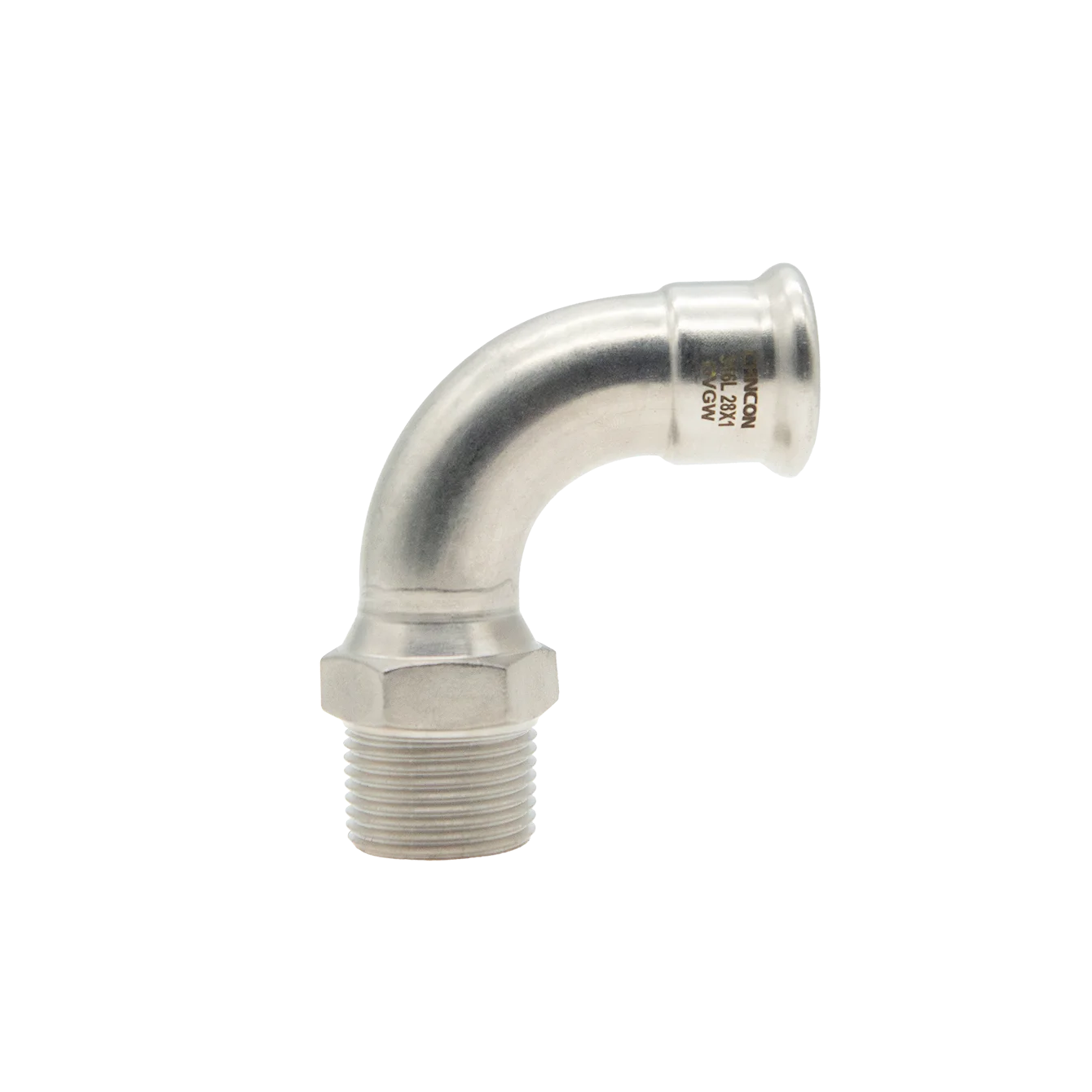
Stainless threaded pipes are vital components in various industrial applications, offering a secure and leak-proof connection for fluid transport. For purchasing managers, engineers, and distributors, understanding the nuances of selecting and sourcing stainless threaded pipes is paramount. This article will address critical considerations for choosing the right products, sourcing reliable suppliers, and solving common installation issues, ultimately empowering you to make informed purchasing decisions.
When selecting stainless threaded pipes, several factors must be considered to ensure compatibility with your application.
Material Specifications: Stainless steel pipes typically come in grades such as 304 and 316. Grade 316 is recommended for environments with high corrosion potential, as it contains molybdenum, enhancing its resistance to chlorides. Understanding the operating environment will help you choose the appropriate grade.
Dimensions and Pressure Ratings: Pipes should be selected based on their outer diameter, wall thickness, and pressure rating. The dimensions must fit the existing system, while the pressure rating should match or exceed the system requirements to prevent failures.
Thread Type: Ensure that the thread type is compatible with existing fittings. Common types include NPT (National Pipe Tapered) and BSP (British Standard Pipe). Mismatched threads can lead to leaks and installation challenges.
End Connections: Consider the type of connections required (male or female threads) based on the application. Proper end connections are critical to achieving a secure and leak-free installation.
Compliance and Certification: It is advisable to check whether the products meet relevant industry standards and certifications, such as ASTM or ANSI. This ensures that the products have undergone rigorous testing and quality controls.
By addressing these aspects, you can select stainless pipe threaded that not only meet your project specifications but also enhance the safety and reliability of your systems.
Finding trustworthy suppliers is crucial for ensuring product quality and reliability. Here are some strategies to identify reliable sources:
Industry Research: Start by researching manufacturers with a strong reputation in the stainless steel pipe industry. Look for companies with extensive experience, such as CHNCON, which has over 20 years in manufacturing stainless and carbon steel press pipe fittings.
Certifications: Verify that the suppliers hold relevant certifications, demonstrating their adherence to quality standards. Certifications like ISO 9001 can indicate a commitment to maintaining high-quality production processes.
Client Reviews and Testimonials: Explore online reviews and client testimonials to gauge the supplier's reliability and product quality. Feedback from previous customers can provide insights into their experience with the supplier's products and services.
Samples and Trials: Request samples before committing to a significant order. Testing samples under actual operating conditions will help verify the product's quality and suitability for your application.
Communication and Support: Evaluate the supplier's communication responsiveness and support capabilities. A supplier that is easy to reach and responsive to inquiries is more likely to provide a positive purchasing experience.
By carefully vetting potential suppliers, you can establish long-term partnerships that ensure the consistent quality of your stainless steel threaded pipe needs.
Wholesale buyers seeking stainless threaded pipes should consider several key tips to optimize their purchasing process:
Bulk Ordering Benefits: Take advantage of bulk purchasing discounts. Many manufacturers offer price breaks for larger orders, which can significantly reduce costs. Understanding the minimum order quantity (MOQ) is essential to leverage these savings.
Negotiation: Don’t hesitate to negotiate pricing and payment terms with suppliers. Establishing a good rapport can lead to better deals and favorable terms, particularly for repeat orders.
Lead Time Considerations: Factor in the lead time when placing orders. Ensure that the supplier can meet your required delivery schedule, especially if you are working on a tight project timeline.
Quality Assurance Practices: Inquire about the supplier's quality control processes. Understanding how they maintain product quality through inspections and testing can provide peace of mind regarding your purchase.
Future Needs: Consider your future requirements while negotiating contracts. Establishing a long-term supply agreement can provide stability in pricing and availability, ensuring you have the necessary products for upcoming projects.
By employing these strategies, wholesale buyers can enhance their purchasing effectiveness and ensure they receive quality products at competitive prices.
Even with quality products, installation issues can arise. Here are common problems and their solutions:
Cross-Threading: This occurs when threads are misaligned during installation, leading to leaks. To prevent this, ensure that pipes and fittings are properly aligned before tightening. Using thread sealant can also help create a better seal.
Over-Tightening: Excessive torque can damage the threads, causing leaks or even equipment failure. Follow the manufacturer’s torque specifications and use a torque wrench for accurate tightening.
Corrosion: Even stainless steel can corrode if not properly maintained. Ensure that the pipes are compatible with the transported media and implement regular inspections to identify any signs of corrosion early.
Thermal Expansion: Changes in temperature can cause pipes to expand or contract, potentially leading to leaks. Consider using flexible connectors to accommodate movement and reduce stress on the joints.
By understanding these potential issues and implementing preventative measures, you can enhance the reliability and longevity of your stainless threaded pipe installations.
Chncon has a dvgw press fittings RD team that includes more than 10 engineers. We are not limited to providing traditional pipe fittings, but we also provide custom services. We'll provide the best advice and suggestions throughout the development and testing phase of a brand new product to assist you in achieving your goals.
Chncon has 60 production lines and has a monthly capacity of over 300 000 pieces In this way the delivery time can be assured Chncon has expanded its operations to more than 500 Chinese cities and exports to over 50 nations which has benefited more than 20 million families Chncon a great option for pipelines provides high-quality reliable production times and Press fitting service
Chncon has been a specialist in stainless steel pipe systems for over 20 years. The facility is 23000 square metres. Chncon offers 4 products, with more than Ss press fitting that can meet the requirements of every customer. Chncon has been achieved for more than 30 accreditations at home and overseas.
CHNCON has earned the prestigious reputation in China The quality and service both are the best in the industry. Our company is accredited with ISO9001, OHSAS18001 and ISO14001 certifications, Stainless steel press pipes, ICC-ES, WRAS, CSTB, WATERMARK etc. We are committed to bringing new pipeline products with significant advantages of healthy, safe, economical and energy-saving to every corner of the globe.
When budgeting for stainless threaded pipes, multiple cost factors come into play:
Material Costs: The type of stainless steel used significantly affects the price. Higher grades, such as 316, typically cost more than 304 due to their enhanced properties. Evaluate the required material grade based on your application to avoid overspending.
Manufacturing Process: The complexity of the manufacturing process can influence costs. For instance, pipes that require additional treatments or customizations may incur higher production costs.
Quantity and MOQ: The quantity ordered can lead to price variations. Larger orders often qualify for discounts, while smaller orders may be subject to higher unit prices due to minimum order quantities.
Shipping and Handling: Consider shipping costs, especially for international orders. Shipping logistics can impact overall pricing, so it’s essential to include these costs in your budget.
Quality Assurance Costs: Investing in quality assurance measures, such as third-party inspections or certifications, can add to upfront costs but may save money in the long run by preventing failures and replacements.
By analyzing these cost factors, you can create a comprehensive budget that meets your project needs while optimizing your investment in stainless threaded pipes.

Copyright © Zhejiang Zhengkang Industrial Co., Ltd. All Rights Reserved - Privacy Policy