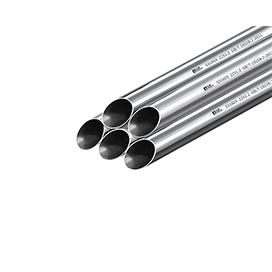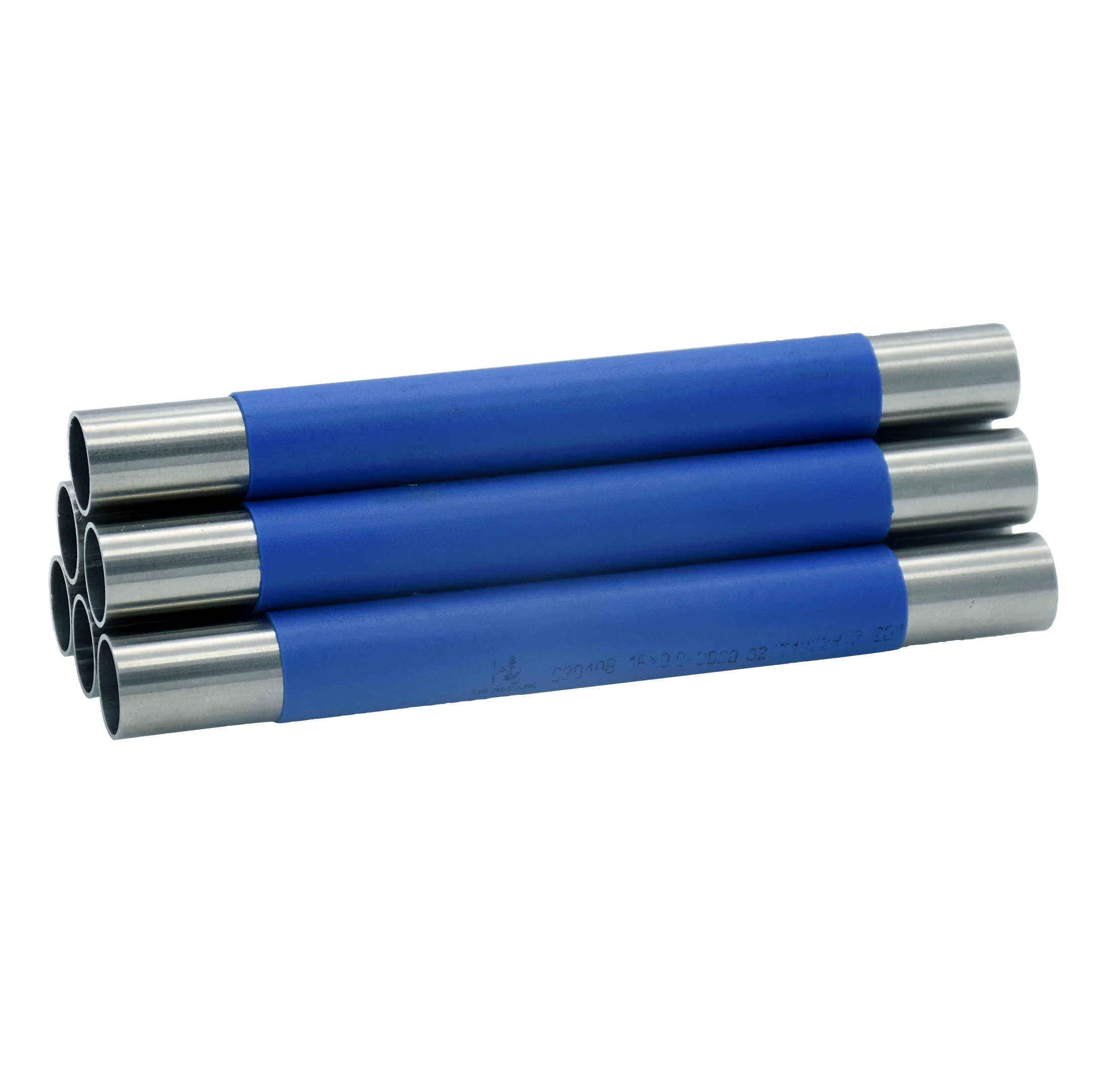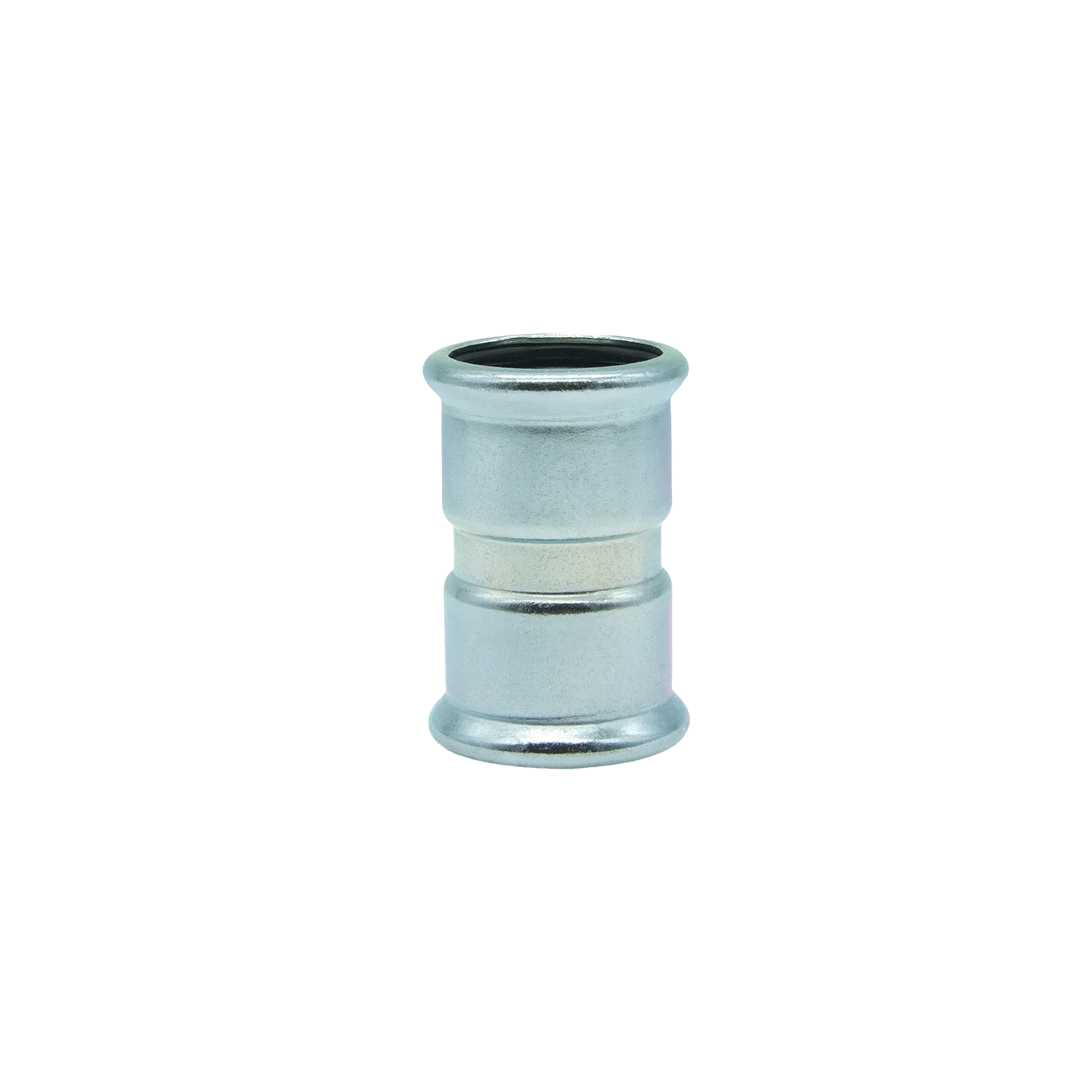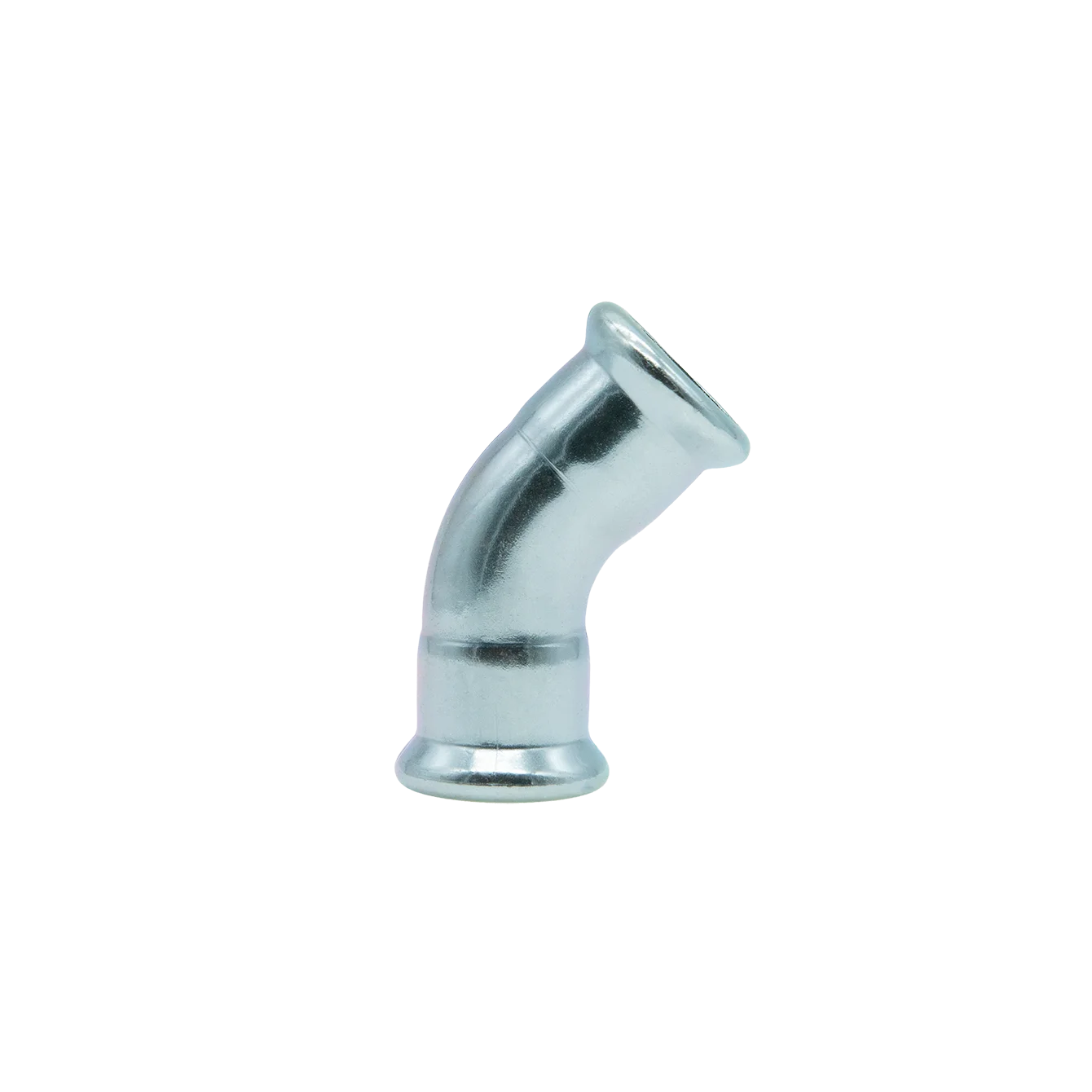
Stainless steel pipes and tubes are essential components in various industries, including water supply, fire protection, and HVAC systems. As B2B buyers, purchasing managers, and engineers, understanding how to select the right stainless steel pipes and tubes is crucial for ensuring safety, durability, and cost-effectiveness. This article will guide you through key considerations, specifications, cost factors, installation practices, and common issues to watch for when sourcing stainless steel pipe.
When sourcing stainless steel pipes and tubes, several factors need to be considered to ensure they meet the specific requirements of your project. First, determine the application and environment where the pipes will be used. For instance, and tubes. used in corrosive environments will require a higher grade of stainless steel, like 316 or 317, compared to those used in less demanding conditions.
Next, assess the dimensions and specifications required for your project. This includes the pipe diameter, wall thickness, and length, which are critical for ensuring proper fit and function. You should also consider the manufacturing standards and certifications of the supplier, as these can impact quality and reliability. CHNCON, with over 20 years of experience in manufacturing stainless steel pipework and tubes, adheres to stringent quality controls to ensure that products meet international standards.
Lastly, think about the supplier's customization capabilities. Often, projects will require specific dimensions or configurations that may not be available off-the-shelf. Working with a manufacturer that offers customized solutions can streamline your procurement process and ensure that you receive the exact products you need.
Understanding the key specifications of stainless steel pipes is essential for making informed purchasing decisions. Key specifications include:
Material Grade: Different grades of stainless steel offer varying levels of corrosion resistance and strength. Common grades for pipes include 304, 316, and 321. Choosing the right grade depends on the application's specific environmental conditions.
Wall Thickness: The wall thickness of stainless steel pipes affects their strength and pressure ratings. Thicker walls are generally more robust and can withstand higher pressures, making them suitable for applications requiring durability.
Dimensions: Accurate dimensions are crucial for ensuring compatibility with other components in your system. Buyers should confirm the required outer diameter, inner diameter, and length before ordering.
Surface Finish: The surface finish can impact both aesthetics and functionality. A polished finish may be required for certain applications to reduce friction or enhance appearance.
Certification: Ensure that the stainless steel pipes come with the appropriate certifications, such as ASTM, ASME, or ISO standards. This guarantees that the products meet specific quality and safety requirements.
Evaluating these specifications will help buyers choose the right seamless stainless steel pipe for their projects, ensuring both performance and safety.
When placing bulk orders for stainless steel tubes, several cost factors come into play that buyers should carefully evaluate:
Material Costs: The price of stainless steel fluctuates based on market demand and raw material costs. Higher-grade materials typically carry a premium, so it’s essential to balance quality and budget.
Order Quantity: Bulk orders can often lead to discounts, but it's vital to consider the minimum order quantity (MOQ) set by suppliers. Understanding the MOQ can help buyers optimize their purchasing strategy.
Customization: Customization often incurs additional costs, particularly for unique dimensions or finishes. Buyers should weigh the benefits of customization against the added expense.
Logistics and Shipping Costs: Shipping costs can significantly influence the total price of an order. Consideration should be given to the delivery location and the shipping terms offered by the supplier.
Quality Assurance: Investing in high-quality products may lead to lower maintenance and replacement costs in the long run. Therefore, it’s advisable to consider the total cost of ownership rather than just the initial purchase price.
By understanding these cost factors, buyers can negotiate more effectively and make informed purchasing decisions regarding their bulk orders of stainless steel tubes.
Proper installation of stainless steel pipes and tubes is vital for ensuring long-term performance and reliability. Here are some best practices to follow:
Preparation: Before installation, clean the pipes thoroughly to remove any contaminants such as oil, grease, or dirt. This step is crucial to prevent corrosion and ensure proper sealing.
Cutting and Fitting: Use appropriate cutting tools designed for stainless steel to ensure clean cuts. Measure accurately and ensure that all fittings are compatible. Misalignment can lead to stress points and potential leaks.
Joining Methods: Depending on the application, various joining methods can be employed, including welding, threading, or using mechanical fittings. Each method has its own advantages and should be selected based on the specific requirements of the installation.
Support and Anchoring: Ensure that pipes are adequately supported and anchored to minimize movement and vibration during operation. This helps prevent stress on the joints and extends the lifespan of the installation.
Testing: After installation, conduct pressure tests to ensure that there are no leaks. This step is essential for confirming that the installation meets safety and performance standards.
Following these installation best practices will help ensure that your stainless steel pipes and tubes perform optimally throughout their lifespan.
Chncon factory has 60 production lines with the impressive capacity to produce more than 300 000pcs fittings and pipes per month This gives a high time to deliver Chncon has Stainless steel press pipes its operations to over 500 cities in China and exports to more than 50 countries which is a boon to more than 20 million families High-end quality effective production and a thoughtful service Chncon is an excellent choice in pipeline area
Chncon has a Stainless steel press pipes RD team that includes more than 10 engineers. We are not limited to providing traditional pipe fittings, but we also provide custom services. We'll provide the best advice and suggestions throughout the development and testing phase of a brand new product to assist you in achieving your goals.
CHNCON has earned the prestigious reputation in China The quality and service both are the best in the industry. Our company is accredited with ISO9001, OHSAS18001 and ISO14001 certifications, Stainless steel press pipes, ICC-ES, WRAS, CSTB, WATERMARK etc. We are committed to bringing new pipeline products with significant advantages of healthy, safe, economical and energy-saving to every corner of the globe.
Chncon is a Stainless steel pipe that specializes in the stainless steel pipeline systems for more than 20 years. Their production area of 23000 square metres. Chncon has four product lines, including more than 10,000 fittings to satisfy the needs of all customers. Chncon has earned more 30 qualifications at home and overseas.
Despite their durability, stainless steel pipes can encounter several common problems. Here are some issues and their solutions:
Corrosion: While stainless steel is resistant to corrosion, it can still occur under certain conditions, especially if the wrong grade is used. To mitigate this, ensure that the appropriate grade is selected based on environmental exposure and usage.
Leaking Joints: Leaks can occur at the joints if they are not properly sealed or if the pipes are misaligned. Regular maintenance and inspections can help identify potential leaks early on, allowing for timely repairs.
Pitting and Crevice Corrosion: These types of corrosion can occur in environments with stagnant water or low oxygen levels. To prevent this, ensure that pipes are regularly flushed and inspected, and consider using inhibitors if necessary.
Mechanical Damage: Pipes can be damaged during installation or transportation. Always inspect products upon delivery and before installation. If damage is found, consult with the supplier for replacement options.
Scaling and Blockages: Over time, mineral deposits can accumulate, leading to scaling and blockages within the pipes. Regular cleaning and maintenance schedules can help prevent these issues.
By being aware of these common problems and their solutions, buyers can take proactive measures to ensure the longevity and reliability of their stainless steel pipes and tubes.

Copyright © Zhejiang Zhengkang Industrial Co., Ltd. All Rights Reserved - Privacy Policy