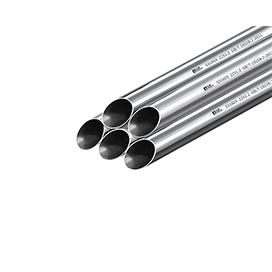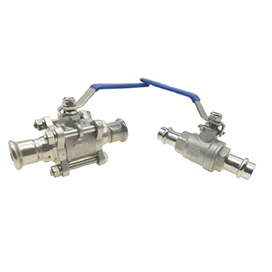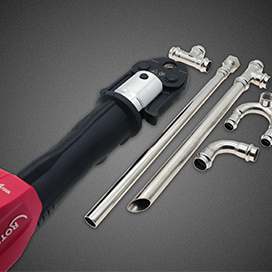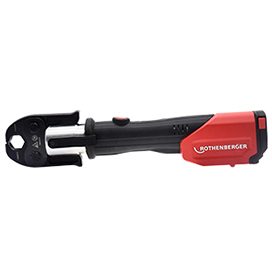
Choosing reliable stainless steel pipe fittings suppliers is crucial for ensuring the quality and longevity of your projects. Stainless steel pipe fittings are integral components in various industrial systems, including water supply, fire protection, and HVAC applications. As a purchasing manager or engineer, understanding the capabilities and offerings of suppliers can help you make informed decisions. This article will delve into essential factors to consider when sourcing stainless steel pipe fittings, including specifications, wholesale options, and installation guidance.
When selecting stainless steel pipe fittings suppliers, the first consideration should be their experience and reputation in the industry. A supplier with a solid track record, like CHNCON, which boasts over 20 years of manufacturing expertise, is typically more reliable. Check their history of product performance and customer reviews to gauge satisfaction levels.
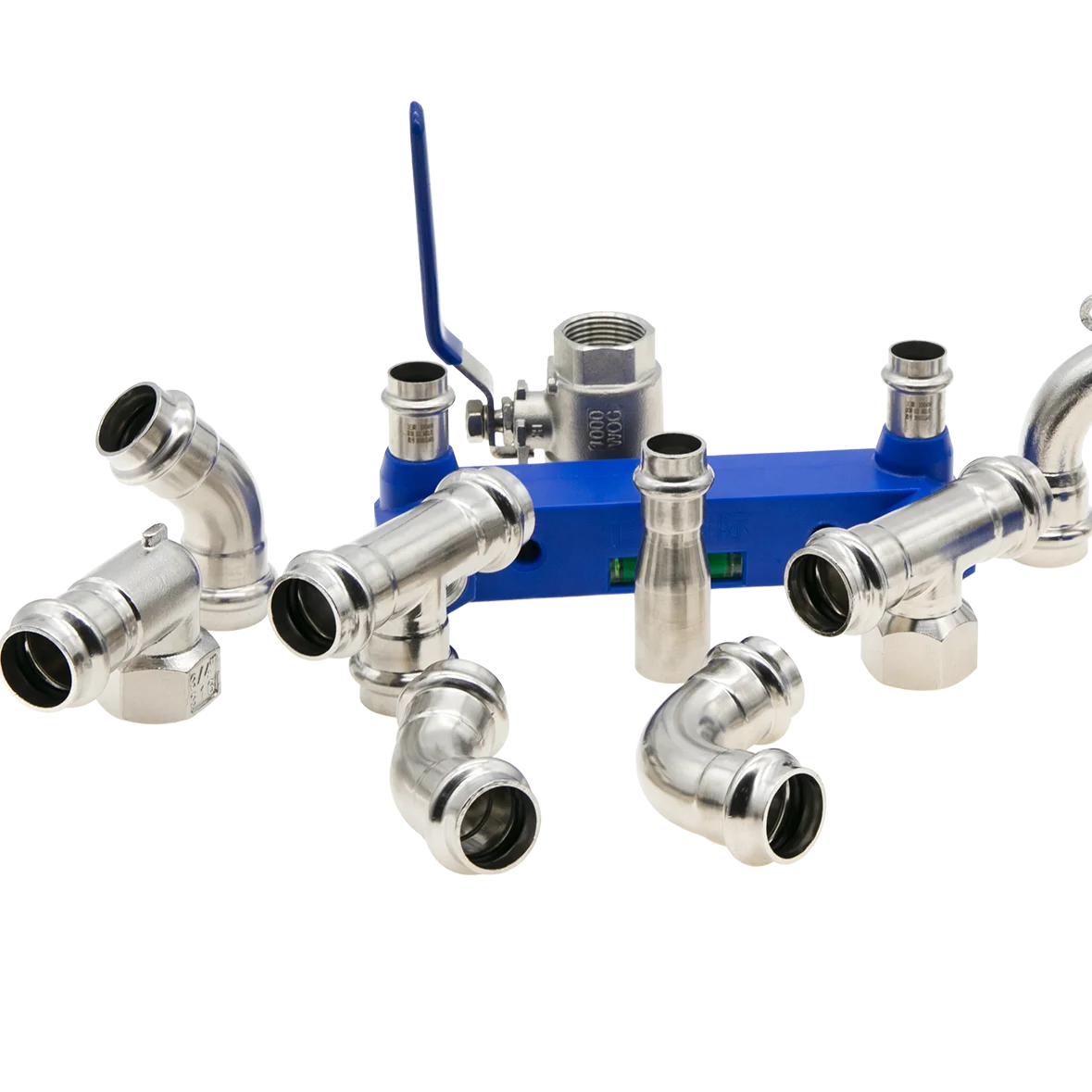
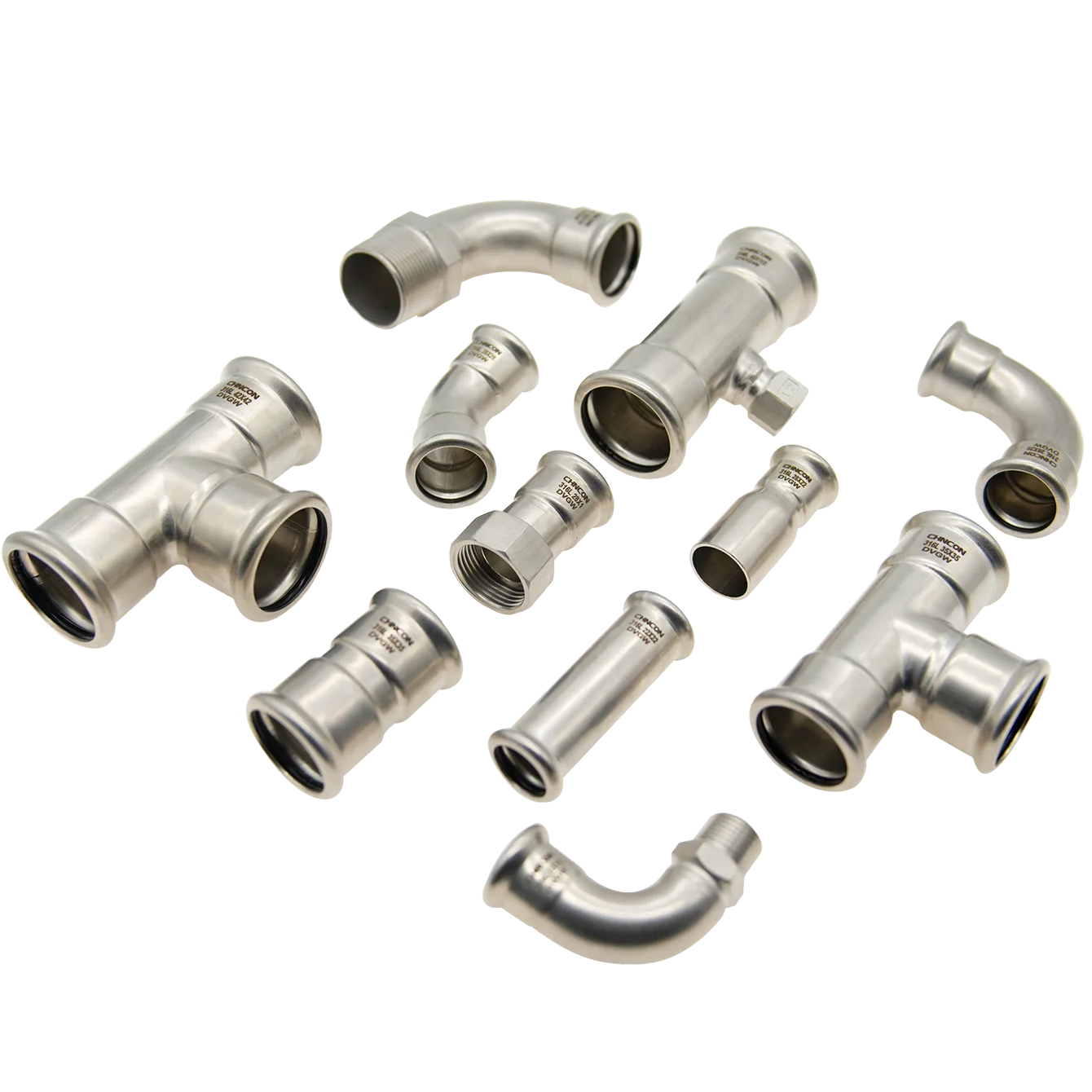
Next, evaluate their range of product offerings. A supplier that provides a full range of stainless and carbon steel fittings can often meet various application needs. Ensure they have experience in the specific markets you operate in, such as fire protection or HVAC systems. Additionally, consider their technological capabilities. Suppliers employing patented technologies can often offer superior product quality that adheres to industry standards for safety and durability.
It is also crucial to assess their quality control processes. Reliable suppliers implement rigorous quality inspections throughout the manufacturing process to ensure they meet international standards. Requesting samples or visiting their facilities can provide insights into their commitment to quality.
When sourcing stainless steel pipe fittings, several key specifications should be evaluated to ensure compatibility with your application.
Material Grade: Stainless steel fittings come in various grades, such as 304 and 316. The choice of grade affects corrosion resistance, strength, and suitability for specific environments. For instance, 316 stainless steel has better resistance to chlorides and is preferred in marine applications.
Dimensions and Pressure Ratings: Verify the dimensions of the fittings to ensure they match your piping system. Pressure ratings are also critical; fittings must withstand the maximum expected pressure in your application. Consult with suppliers on the pressure classes they offer to ensure compliance with your industry standards.
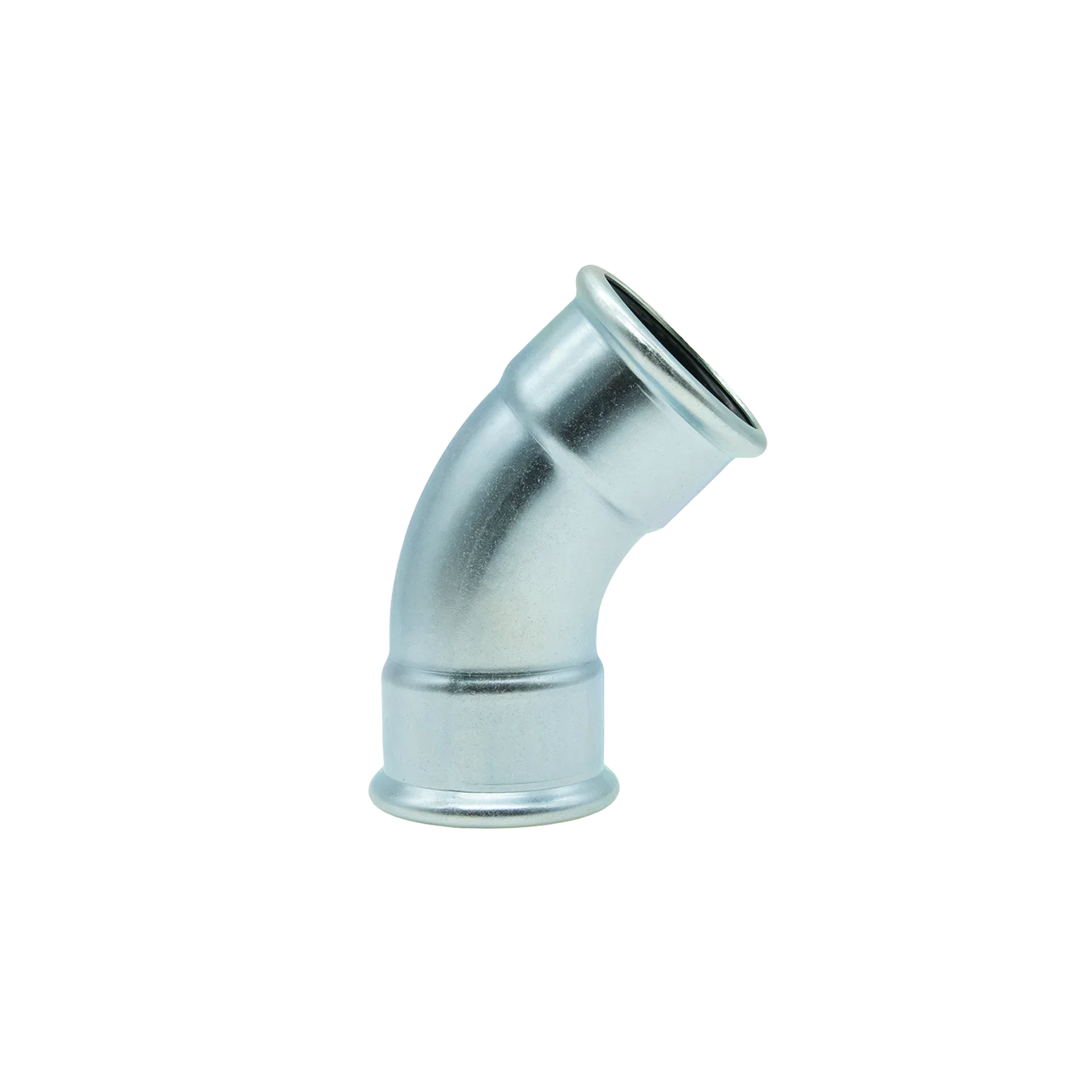
Connection Types: Different applications may require various connection types, such as threaded, welded, or flanged. Understanding the connection requirements for your system is essential when selecting fittings.
Surface Finish: The surface finish of the fittings affects their performance and longevity. A smooth finish can enhance flow characteristics and reduce the risk of corrosion. Make sure to confirm the finishing processes used by suppliers.
When looking for stainless steel pipe fittings suppliers, consider wholesale purchasing options to optimize costs. Many manufacturers offer bulk pricing, which can significantly reduce per-unit costs.
Establishing a long-term relationship with a supplier can also yield benefits, such as priority service or customized solutions tailored to your needs. Discuss minimum order quantities (MOQs) with potential suppliers; understanding these requirements can help you plan your inventory more effectively.
Additionally, inquire about packaging methods and delivery options. Reliable suppliers will have efficient logistics to ensure timely delivery while minimizing damage during transport. This is particularly important in wholesale transactions where large quantities are involved.
Finding trusted stainless steel pipe fittings suppliers worldwide can be a strategic advantage for your business. Start by leveraging industry trade shows and conferences, which provide opportunities to meet suppliers and evaluate their products firsthand. Online platforms and industry directories can also help identify reputable manufacturers.
In addition, consider reaching out to industry associations or trade organizations, which often maintain lists of vetted suppliers. Online reviews and case studies can also offer insights into suppliers' reliability and responsiveness.
Engaging in discussions with peers or industry experts can yield valuable recommendations, as personal experiences often highlight the strengths and weaknesses of various suppliers.
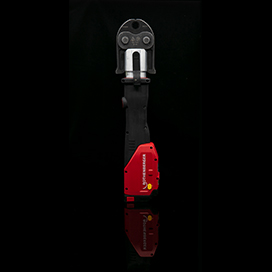
Chncon has a skilled Press fitting with more than 10 engineers. We can not only provide conventional pipe fittings, but we also offer custom services. During new product's RD period We will do the best we can to offer our professional suggestions and advice to ensure that your ideas will be fully implemented.
CHNCON has earned the prestigious reputation in China, the quality and service is at a first-class level. CHNCON is accredited with ISO9001, OHSAS18001, Inox pipes, DVGW, ICC-ES, WRAS, CSTB and WATERMARK certifications, etc. We are committed to delivering pipelines that are innovative and have important advantages, including being safe, energy-saving, and economical.
Chncon has been a specialist in stainless steel pipe systems for over 20 years. The facility is 23000 square metres. Chncon offers 4 products, with more than Stainless steel press pipes that can meet the requirements of every customer. Chncon has been achieved for more than 30 accreditations at home and overseas.
Chncon has 60 production lines and has a monthly capacity of over 300 000 pieces In this way the delivery time can be assured Chncon has expanded its operations to more than 500 Chinese cities and exports to over 50 nations which has benefited more than 20 million families Chncon a great option for pipelines provides high-quality reliable production times and Inox press fitting service
Proper installation of stainless steel pipe fittings is essential to ensure system integrity and performance. Here are some key considerations for installation across various applications:
Pre-Installation Checks: Before installation, inspect each fitting for defects and ensure compatibility with existing piping systems. Verify that the fittings meet the required specifications, including material grade and dimensions.
Installation Techniques: Different connection methods require specific installation techniques. For threaded fittings, ensure that the threads are clean and lubricated to prevent galling. For welded fittings, confirm that welding is performed by certified professionals to maintain the integrity of the joint.
Testing After Installation: Once fittings are installed, conduct pressure tests to ensure there are no leaks. This step is crucial, especially in high-pressure applications, to confirm the reliability of the installation.
Maintenance Considerations: Regular maintenance checks can prolong the life of stainless steel fittings. Inspect for signs of corrosion or wear, and ensure that any seals or gaskets are in good condition to prevent leaks.
By understanding the intricacies of sourcing, purchasing, and installing stainless steel pipe fittings, you can make informed decisions that enhance the efficiency and reliability of your projects. Engaging with a qualified supplier, such as CHNCON, which specializes in high-quality stainless steel solutions, can further streamline your procurement process and ensure optimal results for your applications.

Copyright © Zhejiang Zhengkang Industrial Co., Ltd. All Rights Reserved - Privacy Policy