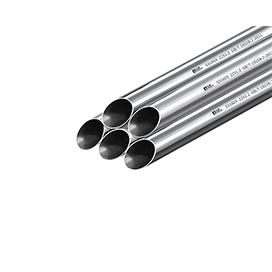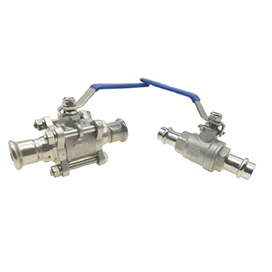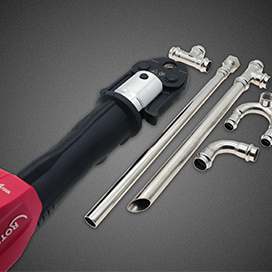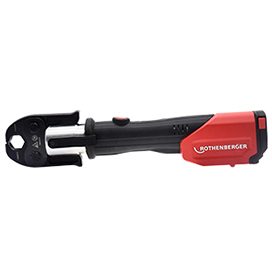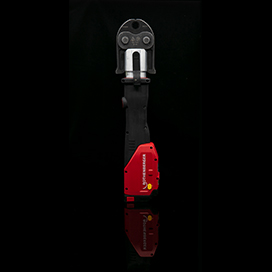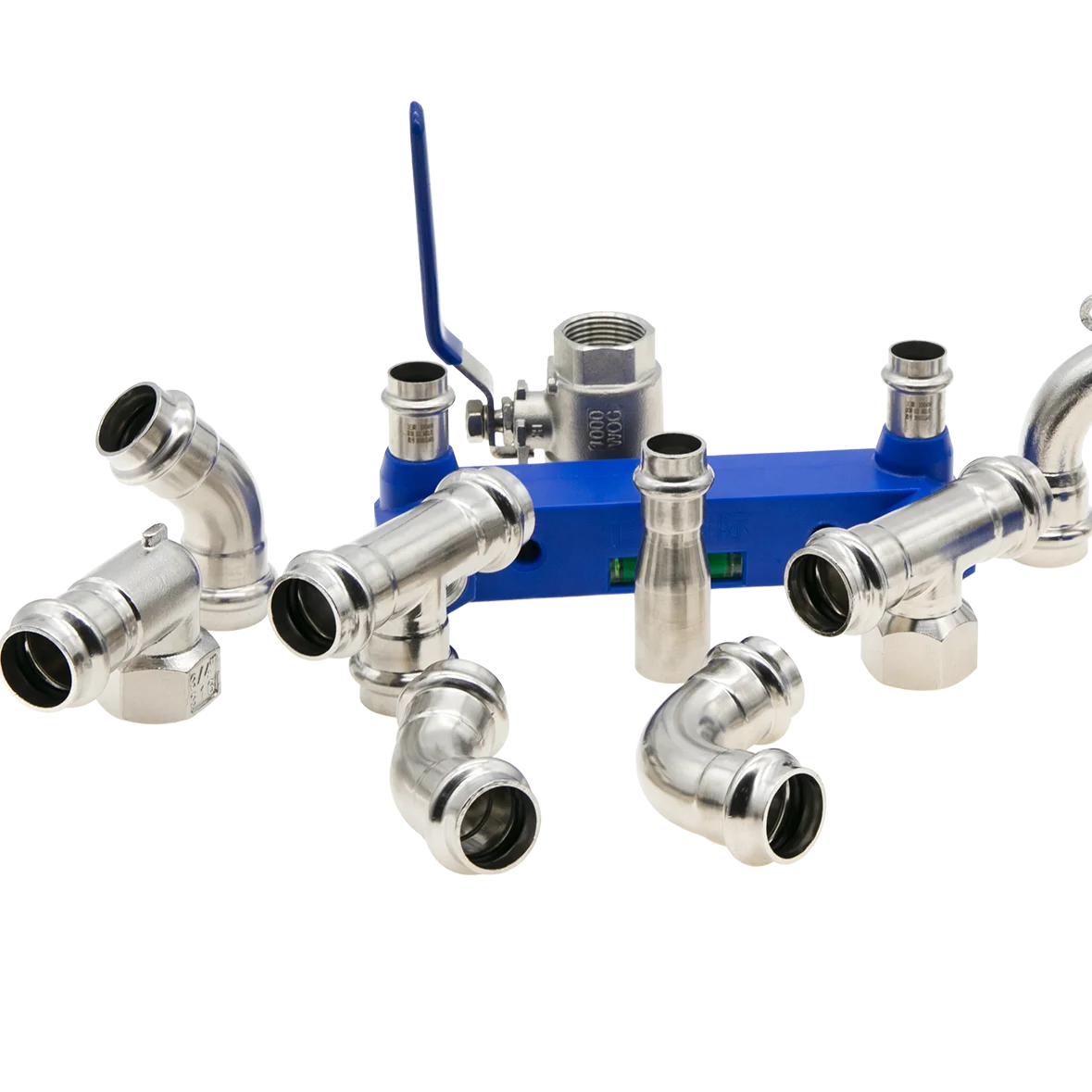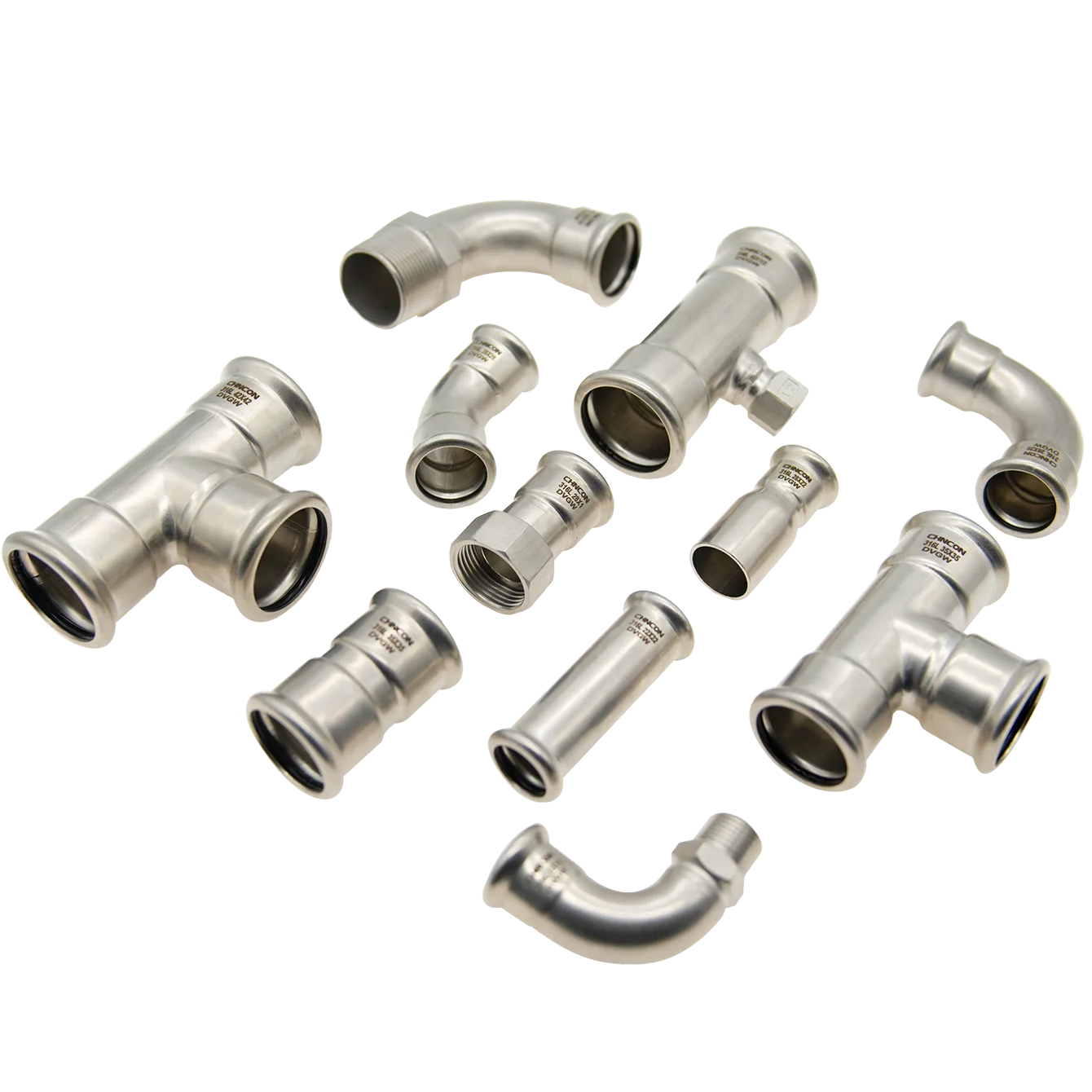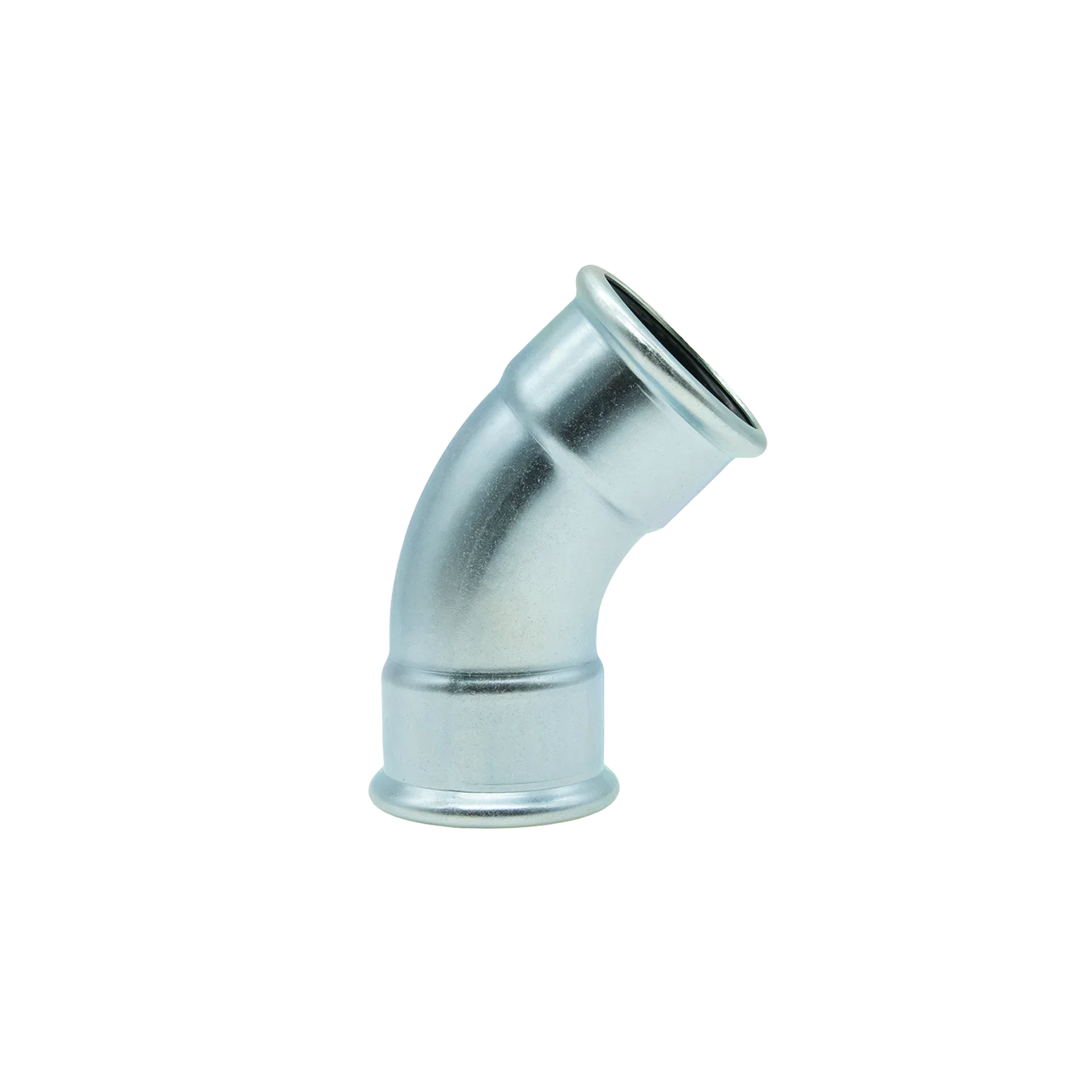
Stainless steel flex pipes are essential components in various industrial applications, providing flexibility and durability in fluid transfer systems. As a B2B buyer, understanding the specifications, sourcing options, installation challenges, and applications of stainless steel flex pipes is crucial for making informed purchasing decisions. This article aims to clarify these aspects, helping you navigate the complexities of selecting the right stainless steel flex pipe for your needs. CHNCON, a brand under ZK International Group, was founded in 1999 and has more than 20 years of experience in the stainless steel industry. The company focuses on the research and development of pipeline products and provides pipeline systems, solutions, and services for applications such as building water supply, municipal water supply, home decoration, fire protection, HVAC, and siphon drainage. CHNCON has expanded its business across more than 500 cities in China and exports to over 50 countries and regions. For B2B buyers evaluating stainless steel flex pipe suppliers, CHNCON's experience in stainless steel products and pipeline systems can be considered alongside factors such as product specifications, application requirements, quality, and supplier capabilities.
When evaluating stainless steel flex pipes, several specifications are critical for wholesale buyers. Key factors include:
Material Composition: Most stainless steel flex pipes are made from grades such as 304 or 316, which offer corrosion resistance and durability. Grade 316 provides superior resistance to pitting and crevice corrosion, making it suitable for marine or chemical applications
Dimensions: The diameter and length of the flex pipe should match the intended application. Common sizes range from 1 inch to 12 inches in diameter, with lengths varying based on system requirements
Bend Radius: This specification indicates how tightly the pipe can bend without compromising structural integrity. A smaller bend radius allows for more flexibility in installation, but it should be matched to the application’s pressure and flow requirements
Pressure Rating: This defines the maximum operating pressure the pipe can handle. Ensure that the pressure rating aligns with the system's operational conditions to prevent failures
End Connections: Flex pipes may come with various end fittings, such as threaded, flanged, or welded ends. Choosing the correct connection type is essential for compatibility with existing systems
Understanding these specifications enables buyers to make selections that meet both application needs and regulatory requirements.
Selecting the right ss flexible pipe involves assessing several factors:
Quality Standards: Verify that the pipes adhere to recognized industry standards, such as ASTM or ASME specifications. Compliance ensures reliable performance and safety
Certification: Check for certifications related to manufacturing processes, such as ISO certification. These certifications indicate a commitment to quality and consistency
Manufacturing Process: Understanding the pipe's manufacturing process can help assess its quality. Look for information on welding techniques and whether the pipes are produced using seamless or welded methods. Seamless pipes often provide better strength and fewer weak points
Customization Options: Depending on the specific application, you may require custom lengths, diameters, or fittings. Confirm the supplier’s ability to accommodate these requirements
Supplier Reputation: Research supplier reviews and testimonials. A supplier with a strong track record can assure product quality and reliability
By focusing on these factors, buyers can ensure they select stainless steel flex pipes that meet their operational needs.
Sourcing reliable suppliers for stainless steel flexible hose pipes is vital for successful procurement. Here are some strategies:
Industry Directories: Utilize B2B marketplaces and industry-specific directories to find manufacturers and suppliers. Websites like ThomasNet and Alibaba can provide a list of verified suppliers
Trade Shows and Exhibitions: Attending industry trade shows allows buyers to meet suppliers in person, evaluate product quality, and establish relationships
Recommendations: Seek referrals from industry peers or professional networks. Recommendations from trusted sources can lead you to reputable suppliers
Online Research: Review supplier websites for product offerings, certifications, customer testimonials, and case studies. This information can provide insights into their capabilities and reliability
Request Samples: Before placing a bulk order, request samples to evaluate the quality and suitability of the flex pipes for your application
By employing these strategies, buyers can confidently select suppliers who meet their quality and service expectations.
Installation of stainless steel flex pipes can present challenges. Here are common issues and how to address them:
Misalignment: Incorrect alignment during installation can lead to stress points and potential failure. To prevent this, ensure proper measurements and use alignment tools when installing pipes
Inadequate Support: Flex pipes require appropriate support to prevent sagging or excess movement. Ensure that supports are installed at regular intervals based on the pipe's length and application needs
Thermal Expansion: Stainless steel flex pipes can expand or contract with temperature changes. Leave adequate space for thermal expansion to avoid stressing the pipe and joints
Improper Fittings: Using incompatible fittings can lead to leaks. Always verify that the fittings used are compatible with the flex pipe's material and dimensions
Installation Environment: Harsh environmental conditions, such as extreme temperatures or exposure to chemicals, can affect the performance of flex pipes. Choose pipes with appropriate material properties for the installation environment
By anticipating these issues and preparing accordingly, buyers can ensure a smoother installation process and prolonged product lifespan.
Chncon has a professional RD team that includes more than 10 engineers. We can not only provide standard pipe fittings, however we also offer custom services. During Stainless steel pipe time of RD for new products We will do our best to provide you with professional advice and suggestions so that your ideas can be well executed.
CHNCON has earned the prestigious reputation in China, the quality and service is at a first-class level. CHNCON is accredited with ISO9001, OHSAS18001, m press fitting, DVGW, ICC-ES, WRAS, CSTB and WATERMARK certifications, etc. We are committed to delivering pipelines that are innovative and have important advantages, including being safe, energy-saving, and economical.
Chncon has 60 production lines and has a monthly capacity of over 300 000 pieces In this way the delivery time can be assured Chncon has expanded its operations to more than 500 Chinese cities and exports to over 50 nations which has benefited more than 20 million families Chncon a great option for pipelines provides high-quality reliable production times and Inox press fitting service
Chncon is a specialist in stainless steel pipe systems for over m press fitting. The factory is covered by 23000 square metres. Chncon has 4 product series including over 10,000 pipe fittings which meet the requirements of all customers. Chncon has achieved more than 30 certificates at home and internationally.
Stainless steel flex pipes find diverse applications across various industrial sectors due to their flexibility and durability. Some notable applications include:
HVAC Systems: Flex pipes are used in heating, ventilation, and air conditioning systems to accommodate movement and thermal expansion, ensuring efficient airflow
Water Supply: In plumbing and water supply systems, stainless steel flexible hose pipes provide a reliable solution for transporting water, especially in areas with complex layouts or where connections need to be adjusted frequently
Chemical Processing: Their resistance to corrosion makes stainless steel flex pipes ideal for transporting chemicals and other corrosive materials. They can withstand harsh environments while maintaining system integrity
Fire Protection Systems: Flex pipes are often employed in fire suppression systems, where flexibility and reliability under pressure are critical for effective performance
Marine Applications: Due to their corrosion resistance, these pipes are commonly used in marine settings for fuel and water transfer
By understanding these applications, buyers can better assess how stainless steel flex pipes can meet their specific operational needs within various industries.
Copyright © Zhejiang Zhengkang Industrial Co., Ltd. All Rights Reserved - Privacy Policy