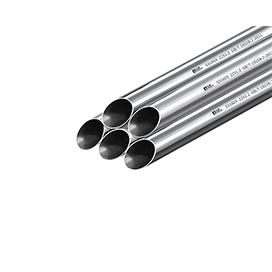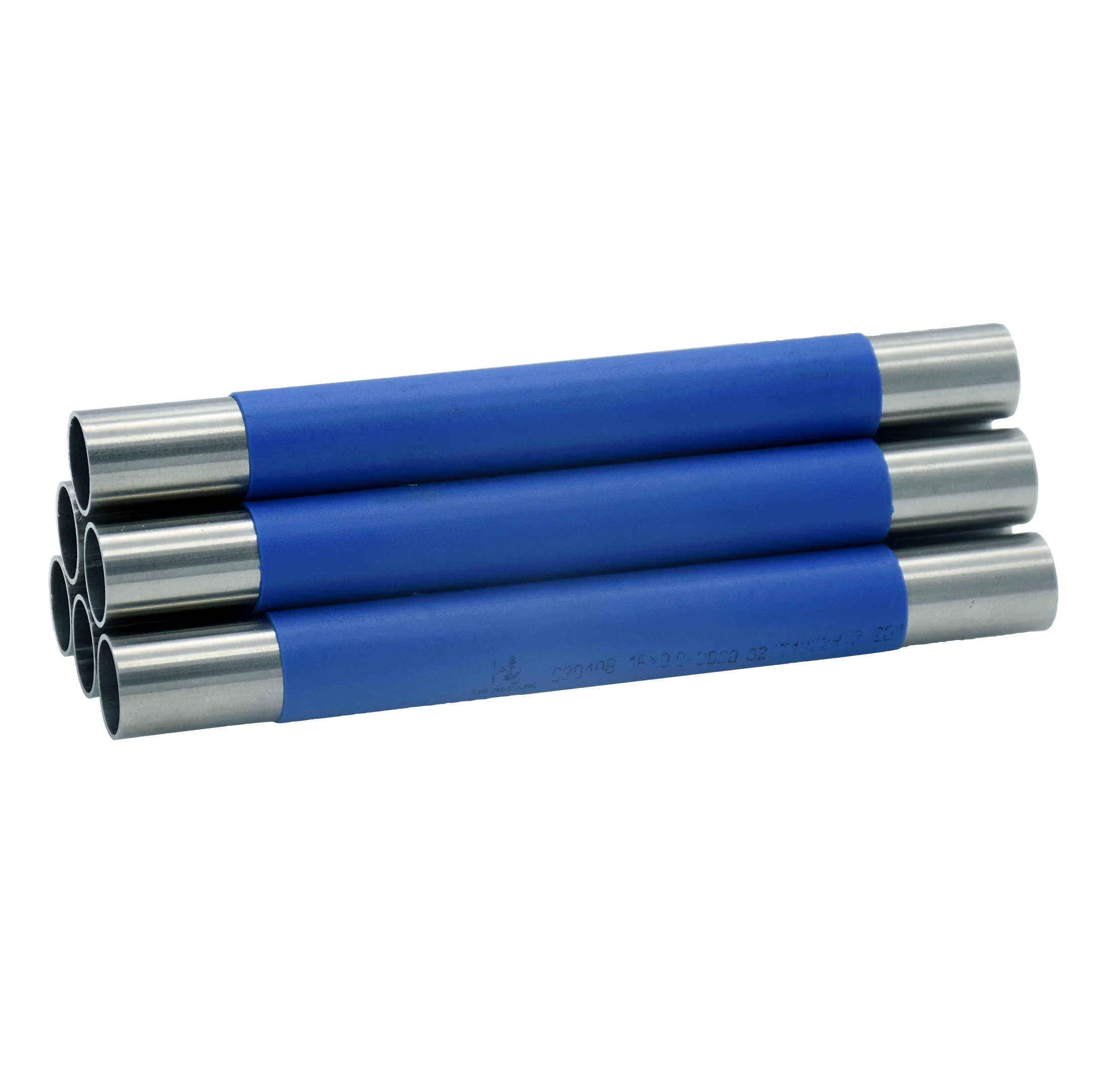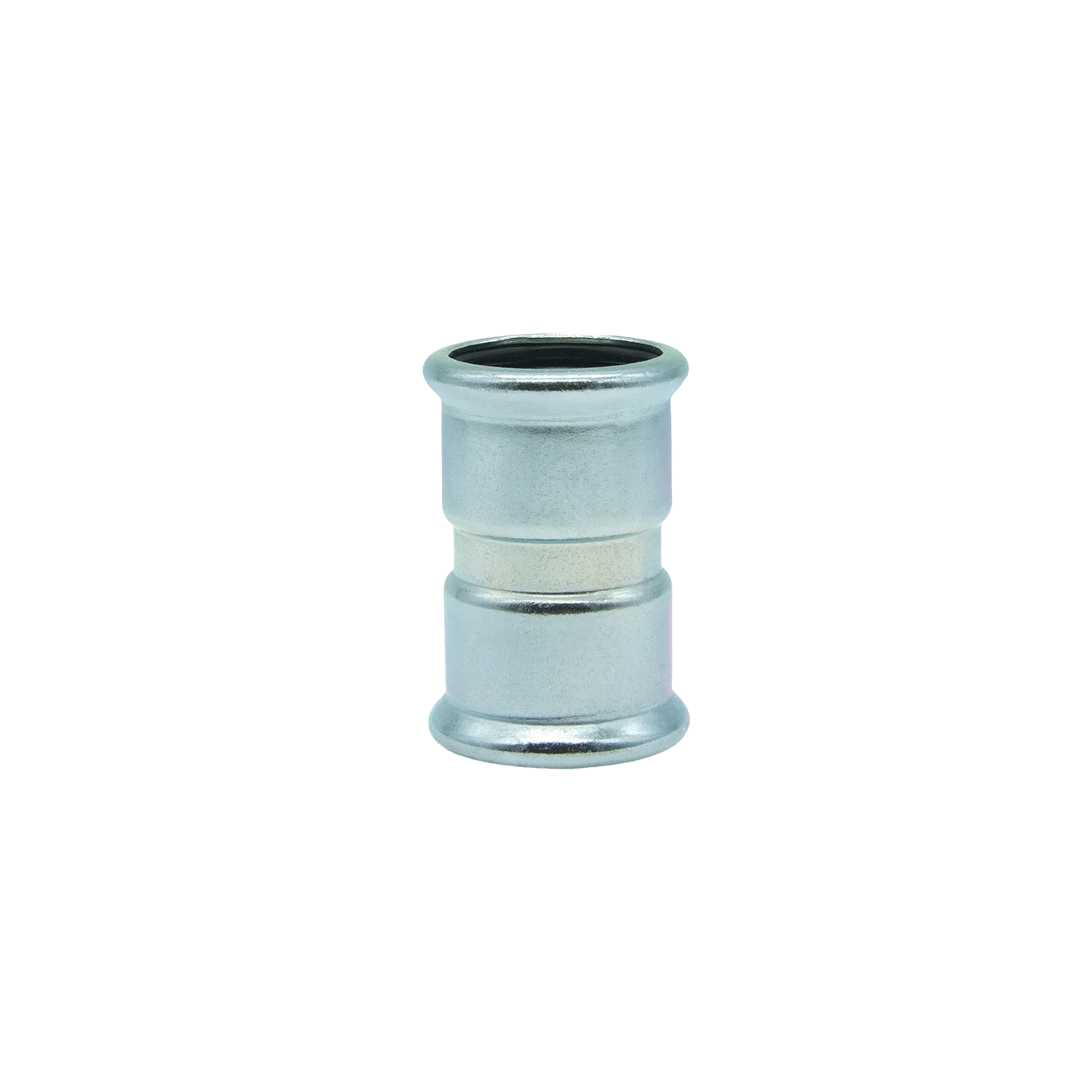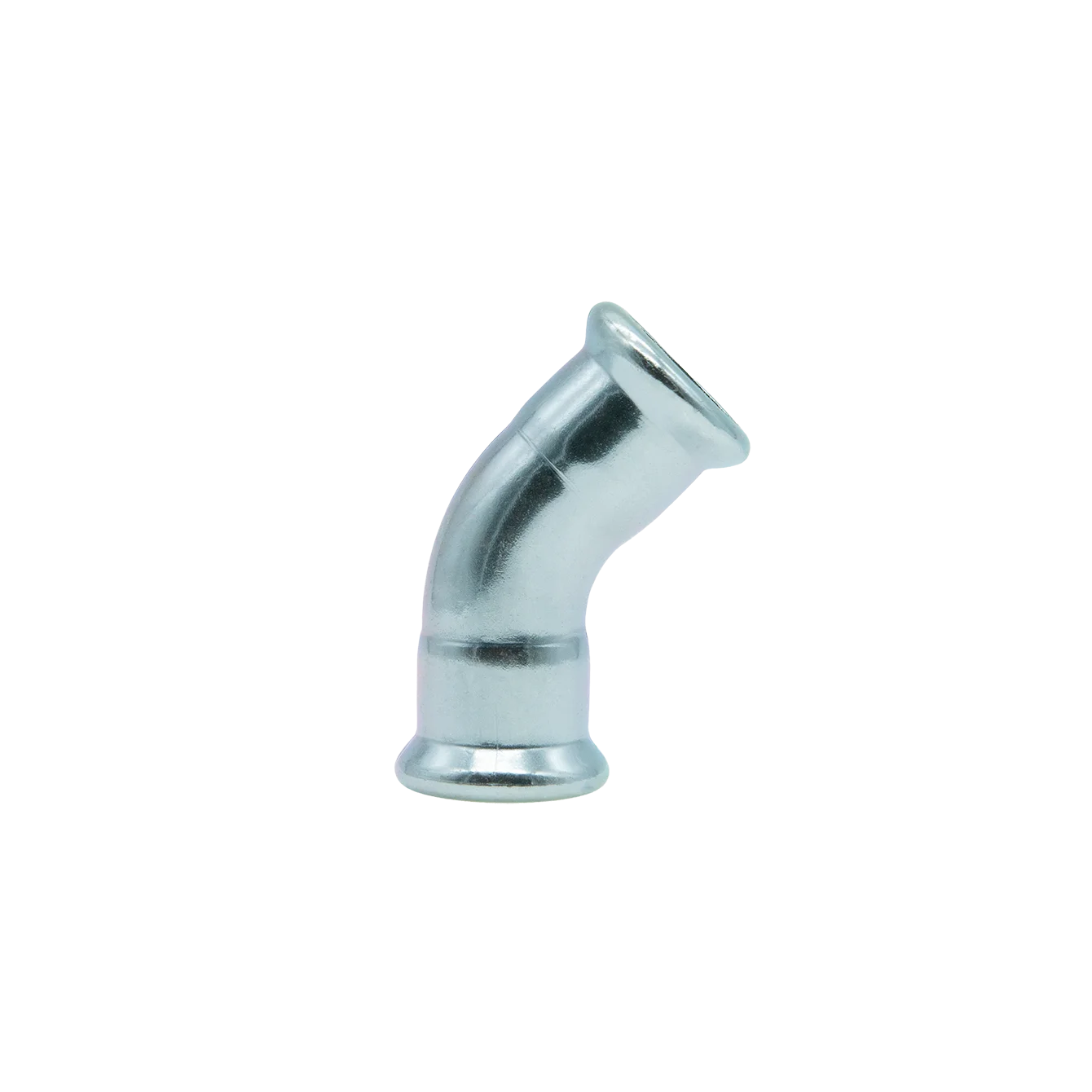
Stainless plumbing pipe is a critical component in various industrial applications, known for its durability and resistance to corrosion. For B2B buyers, such as purchasing managers, distributors, and engineers, understanding the nuances of stainless plumbing pipe is essential for making informed purchasing decisions. This article will delve into key considerations regarding cost evaluation, installation guidelines, common issues, sourcing, and the benefits of stainless plumbing pipes, providing valuable insights to ensure optimal selection and usage.
When assessing the cost of stainless plumbing pipe for bulk orders, several factors come into play. First, consider the material grade, as different grades of stainless steel (such as 304, 316, or 316L) can significantly affect pricing. For example, 316 stainless steel offers higher corrosion resistance than 304, making it more expensive but suitable for harsher environments.
Additionally, factors such as pipe diameter, wall thickness, and length will influence the overall cost. Larger diameters and thicker walls typically require more material, driving up the price. Buyers should also factor in the minimum order quantity (MOQ) required by the supplier, as higher MOQs may lead to better pricing per unit.
Another critical aspect is the manufacturing process. Pipes that are produced using advanced techniques, such as seamless or welded methods, may vary in cost. Seamless pipes are generally more expensive due to the complex manufacturing process but offer superior pressure ratings and reliability.
Lastly, consider potential shipping and handling costs, especially for international orders. Working with a supplier that has experience in exporting can help streamline logistics and minimize unexpected expenses.
Proper installation of CHNCON stainless plumbing pipes is vital to ensure system integrity and longevity. The first step is to assess the application environment, as factors like temperature and pressure will dictate installation techniques. For instance, in HVAC systems, pipes must be installed in a manner that minimizes thermal expansion issues. Using expansion joints or flexible fittings can accommodate movement without compromising the system's integrity.
When joining stainless steel pipe, it's crucial to use compatible fittings and joints. Many professionals prefer press fittings or welded connections for their reliability and ease of installation. Ensure that all surfaces are clean and free from contaminants before joining, as any debris can compromise the seal.
In applications involving potable water, it's essential to follow local codes and regulations regarding the installation of plumbing systems. Additionally, consider the need for insulation in certain environments to prevent condensation and energy loss. Regular inspections post-installation can help identify any potential leaks or issues early on, ensuring the system operates smoothly.
Despite their durability, stainless plumbing pipes can encounter specific issues. One common problem is pitting corrosion, which occurs when localized corrosion creates small pits on the pipe surface. This can be exacerbated by exposure to chlorides, often found in water supplies. To mitigate this, ensure that the selected stainless steel grade is suitable for the specific environment, such as opting for 316 stainless steel in chloride-rich areas.
Another issue is stress corrosion cracking, which can happen under certain conditions, particularly in high-stress environments. Regular maintenance and the use of appropriate installation techniques can help minimize this risk. For instance, avoiding sharp bends and using proper supports can alleviate stress on the press pipe fittings.
Additionally, leaks can occur at joints or connections if not properly sealed. Utilizing high-quality seals and ensuring proper installation techniques can significantly reduce this risk. If a leak is detected, immediate action should be taken to assess and repair the issue to prevent further damage to the plumbing system.
Sourcing reliable stainless plumbing pipe for wholesale needs requires careful evaluation of potential suppliers. Start by looking for manufacturers with a proven track record in the industry, such as CHNCON, which has over 20 years of experience in producing high-quality stainless and carbon steel press pipe fittings.
When evaluating suppliers, consider their manufacturing capabilities and whether they offer a variety of pipe specifications that meet your requirements. It's essential to inquire about their quality control processes, certifications, and the materials used in production. Reliable suppliers should provide documentation verifying their compliance with industry standards, ensuring that the products will perform as expected.
Furthermore, assess the supplier's ability to handle customization requests, as many projects may require specific dimensions or features. Establishing a strong communication channel with the supplier can facilitate a smoother ordering process and provide clarity on lead times and pricing.
Lastly, consider the geographic location of the supplier. Choosing a manufacturer closer to your operation can reduce shipping costs and lead times, contributing to a more efficient procurement process.
Chncon has a skilled Ss press fitting with more than 10 engineers. We can not only provide conventional pipe fittings, but we also offer custom services. During new product's RD period We will do the best we can to offer our professional suggestions and advice to ensure that your ideas will be fully implemented.
Stainless steel pipe factory has 60 production lines that have an excellent production capacity of more than 300 000 pieces of fittings and pipes annually produced This means that the delivery date can be well guaranteed Chncon has spread its business to more than 500 Chinese cities and exports to over 50 countries which has benefited more than 20 million families Chncon is a top choice for pipelines is a top quality efficient production times and thoughtful service
CHNCON has earned the prestigious reputation in China The quality and service both are the best in the industry. Our company is accredited with ISO9001, OHSAS18001 and ISO14001 certifications, Inox press fitting, ICC-ES, WRAS, CSTB, WATERMARK etc. We are committed to bringing new pipeline products with significant advantages of healthy, safe, economical and energy-saving to every corner of the globe.
Chncon has been a specialist in stainless steel pipe systems for more than 20 years. The factory is 23000 square metres. Chncon offers four product lines, which include over 10,000 fittings, which can satisfy the Press fitting of every customer. Chncon is accredited for more than 30 different qualifications in the U.S. as well as abroad.
For contractors, the advantages of using CHNCON stainless plumbing pipe extend beyond durability. One of the primary benefits is corrosion resistance, which significantly reduces maintenance costs over the lifespan of the plumbing system. This is especially important in environments with high moisture or chemical exposure.
Additionally, press fit pipes offer excellent strength-to-weight ratios, making them easier to handle and install. Their lightweight nature can lead to reduced transportation costs and simplified installation processes, saving time and labor.
Another compelling reason to choose stainless plumbing is its hygienic properties. In applications involving food and beverage processing or potable water, stainless steel's non-porous surface prevents the growth of bacteria, ensuring compliance with health standards.
Finally, stainless plumbing pipes have a long service life, resulting in lower overall lifecycle costs. While the initial investment may be higher compared to carbon steel or plastic alternatives, the long-term benefits often outweigh these costs, making stainless plumbing pipe a wise choice for contractors seeking reliable and efficient solutions.

Copyright © Zhejiang Zhengkang Industrial Co., Ltd. All Rights Reserved - Privacy Policy