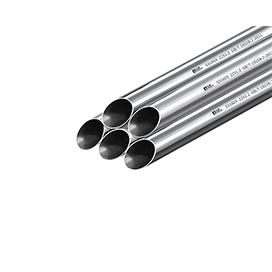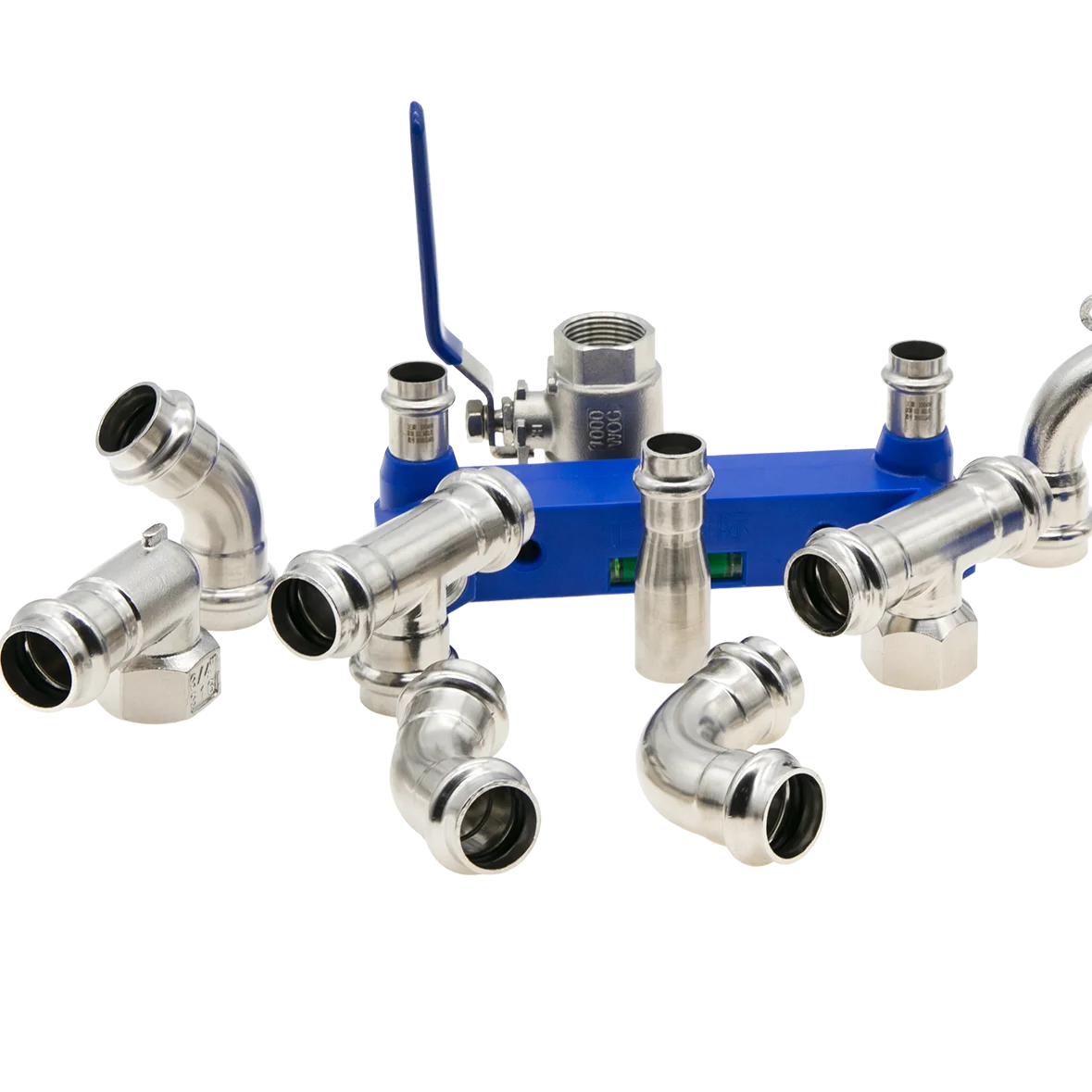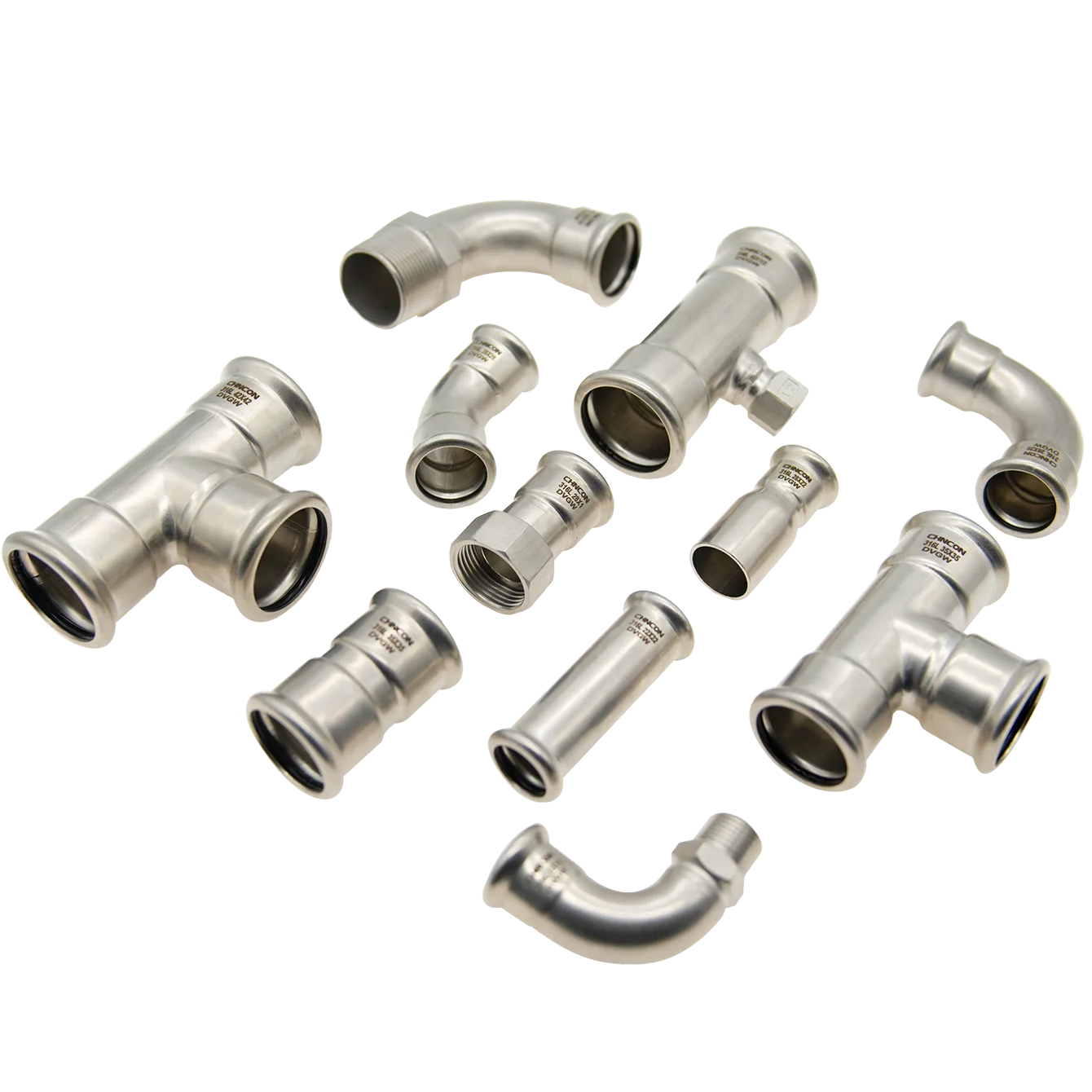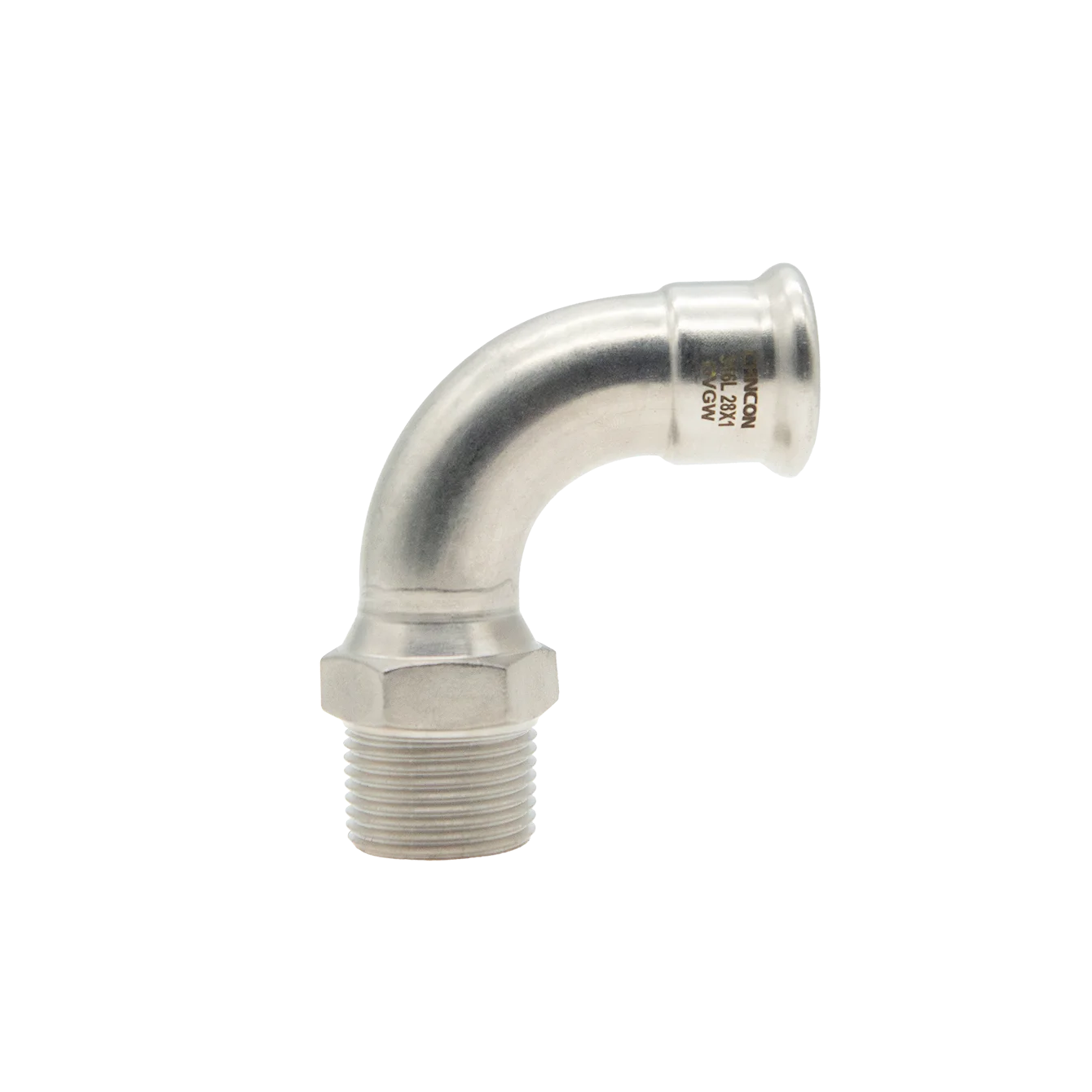
Stainless pipe tubing is a critical component in various industrial applications, offering durability, corrosion resistance, and versatility. Selecting the right stainless pipe tubing is essential for ensuring the integrity and efficiency of your projects, whether for water supply, HVAC systems, or fire protection. This article addresses key considerations for buyers, including material properties, bulk purchasing advantages, best practices, common issues, and the unique benefits of stainless pipe tubing in industrial applications.
When selecting stainless pipe tubing, several factors need to be evaluated to ensure it meets the specific demands of your project. First, consider the tubing's specifications, such as diameter, wall thickness, and length. These dimensions impact flow rates and pressure capabilities; hence, they must align with the intended application. Material grade is another critical consideration. Common grades for stainless pipe fittings tubing include 304 and 316, with 316 offering better corrosion resistance, especially in chloride environments. This choice is vital for applications exposed to harsh chemicals or marine conditions. Compatibility with existing systems is also essential. Ensure the selected tubing can integrate seamlessly with your pipe fittings and fixtures. This compatibility affects installation efficiency and long-term performance. Lastly, consider the manufacturing process. Tubing that undergoes rigorous quality control measures, such as hydrostatic testing and visual inspections, is more likely to meet performance expectations and reduce the risk of failure.
Purchasing stainless pipe tubing in bulk offers several advantages that can significantly affect project budgets and timelines. One of the main benefits is cost savings. Bulk orders typically come with lower unit prices, which can lead to substantial overall savings, especially for large-scale projects. Additionally, buying in bulk ensures a consistent supply, reducing the risk of delays that can occur with smaller, staggered orders. This is particularly important in industries where project timelines are tight, such as construction and manufacturing. Another advantage is the ability to standardize materials across multiple projects, which simplifies inventory management and reduces the complexity of sourcing different materials. By having a consistent supply of stainless pipe and fittings tubing, companies can streamline their operations and allocate resources more efficiently. Finally, bulk purchasing can provide leverage in negotiating terms with suppliers, including payment terms and shipping costs, which can further enhance overall project profitability.
To maximize the benefits of stainless pipe tubing, it's essential to follow best practices during procurement and installation. First, ensure that you thoroughly vet potential suppliers, focusing on their manufacturing capabilities and quality control processes. A reliable supplier will have certifications and a proven track record in delivering high-quality products. When requesting quotes, provide clear specifications, including the type of stainless steel, dimensions, and any required certifications. This clarity helps suppliers provide accurate pricing and lead time estimates. Before mass production, insist on inspecting samples. This step is crucial for verifying dimensions, fit, and surface quality, allowing you to identify any potential issues before committing to larger orders. Inspecting samples under actual operating conditions can also reveal performance insights that might not be apparent during standard testing. Finally, maintain open lines of communication with your supplier throughout the production process. Regular updates on production status and potential challenges can help mitigate risks and ensure that your project stays on track.
Despite its advantages, stainless pipe tubing can present challenges during use. One common issue is corrosion, particularly when the tubing is exposed to harsh environments. To combat this, it’s crucial to select the appropriate grade of stainless steel for your specific application. For example, using 316 stainless steel in environments with high chloride levels can significantly reduce the risk of pitting and crevice corrosion. Another issue is improper installation, which can lead to leaks and system failures. Ensure your installation team is well-trained and follows industry standards for joining methods, whether welding, threading, or using press fittings. Conducting a pressure test post-installation can help identify leaks before the system goes live. Additionally, buyers should be aware of potential compatibility issues with other materials used in their systems. Consulting with a knowledgeable supplier can help identify the best coupling methods and materials to avoid galvanic corrosion or other incompatibilities.
Chncon has a professional RD team that includes more than 10 engineers. We can not only provide standard pipe fittings, however we also offer custom services. During Inox press fitting time of RD for new products We will do our best to provide you with professional advice and suggestions so that your ideas can be well executed.
CHNCON and its high reputation in Ss press fitting, the quality as well as the service are at the best in the industry. Our company is certified by ISO9001, OHSAS18001 and ISO14001 certifications, DVGW, ICC-ES, WRAS, CSTB, WATERMARK and many more. We committed to deliver new pipelines that offer significant advantages of healthy, safe economical, and energy-saving for everywhere in the world.
Chncon has been a specialist in stainless steel pipe systems for more than 20 years. The factory is 23000 square metres. Chncon offers four product lines, which include over 10,000 fittings, which can satisfy the Press fitting of every customer. Chncon is accredited for more than 30 different qualifications in the U.S. as well as abroad.
Chncon is home to 60 production lines and a monthly production capacity of over 300 000 units This means that the time to deliver can be assured Chncon has expanded its business to over 500 cities in China and exports to over V press fitting which benefits nearly 20 millions families High-end quality effective production time and thoughtful service Chncon is an excellent choice in pipeline area.
Stainless pipe tubing offers numerous material advantages that make it ideal for industrial applications. One of the most significant benefits is its corrosion resistance, which extends the lifespan of piping systems and reduces maintenance costs. This characteristic is particularly valuable in industries such as food processing, pharmaceuticals, and chemical manufacturing, where hygiene and safety are paramount. The strength-to-weight ratio of stainless steel is another advantage. It allows for thinner walls while maintaining structural integrity, reducing the overall weight of the piping system. This can lead to lower transportation costs and easier handling during installation. Moreover, stainless pipe price is highly adaptable to various temperatures and pressures, making it suitable for diverse applications, from high-pressure steam lines to low-temperature fluid transport. The material can also be customized in terms of finish and diameter to meet specific project requirements. Finally, stainless steel is 100% recyclable, aligning with sustainability goals and making it an environmentally friendly choice for manufacturers looking to reduce their carbon footprint. By considering these factors when selecting stainless pipe tubing, B2B buyers can make informed decisions that enhance project outcomes and operational efficiency.
Copyright © Zhejiang Zhengkang Industrial Co., Ltd. All Rights Reserved - Privacy Policy