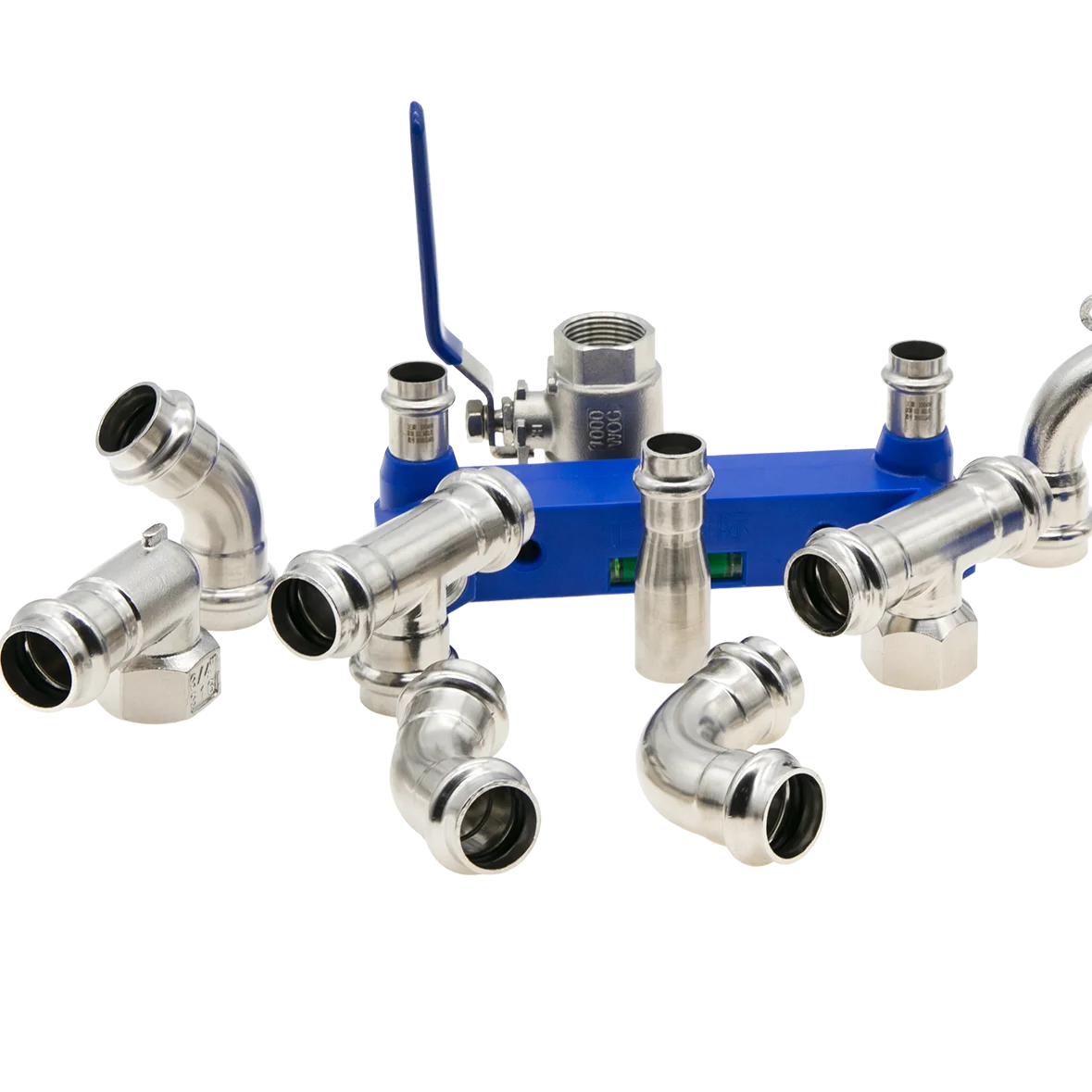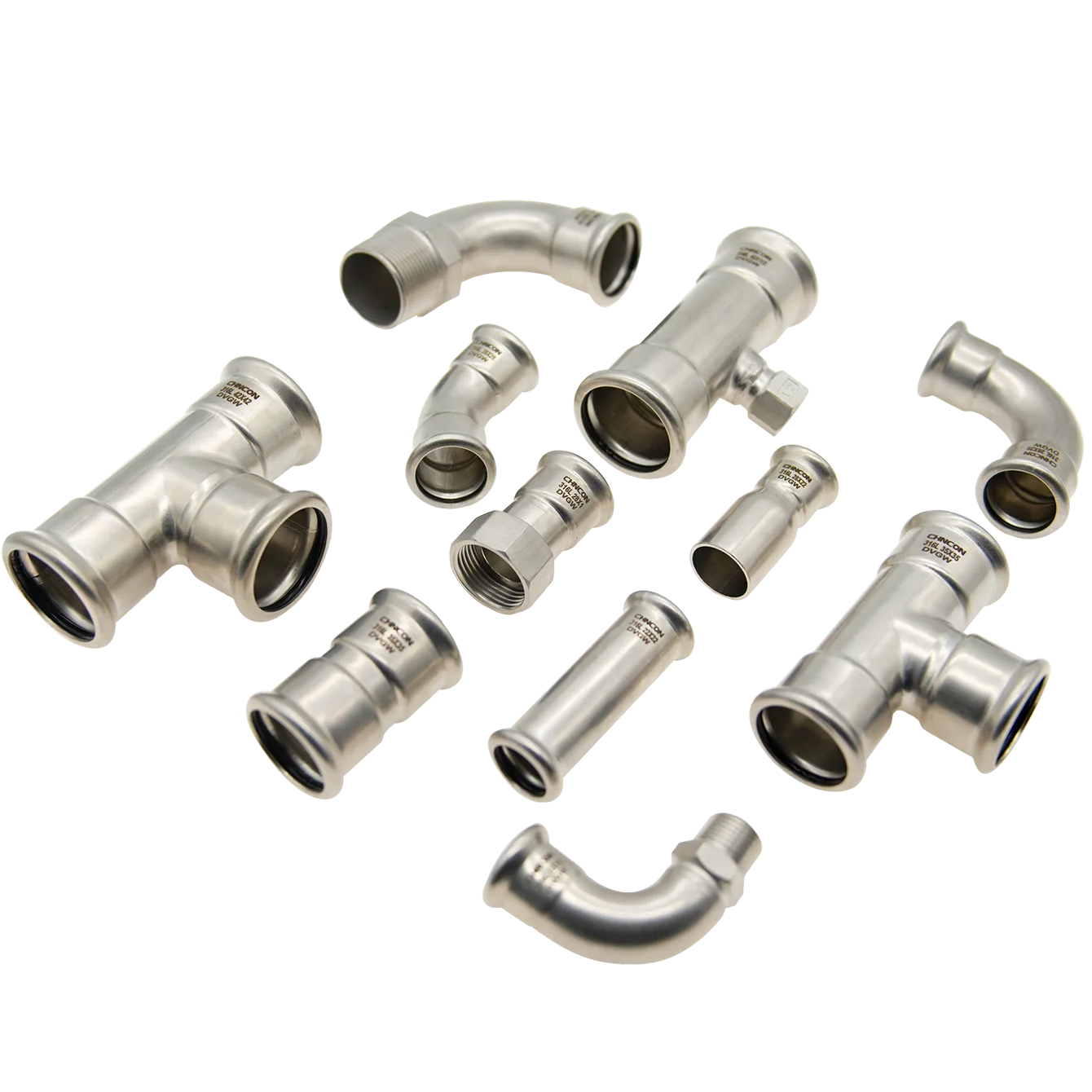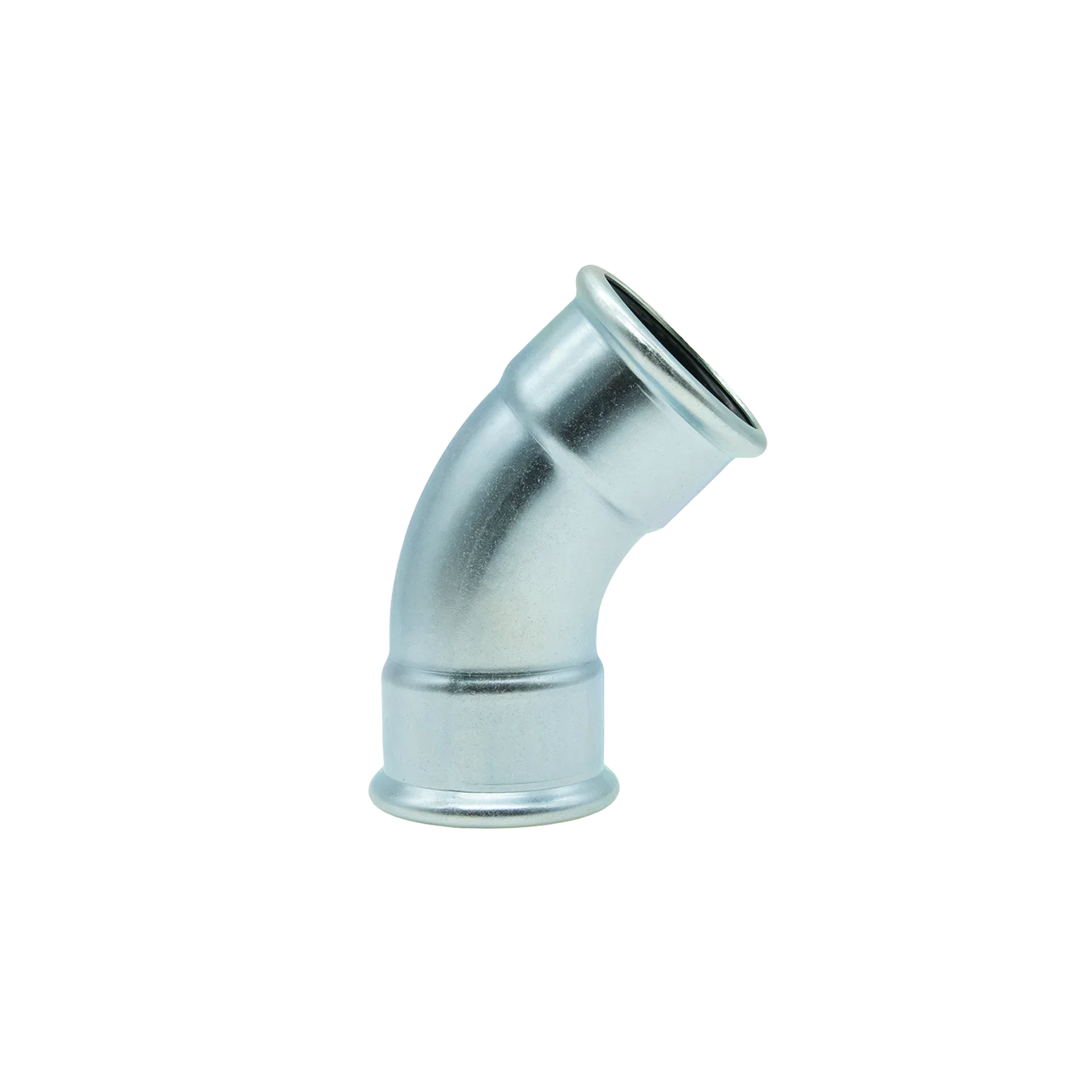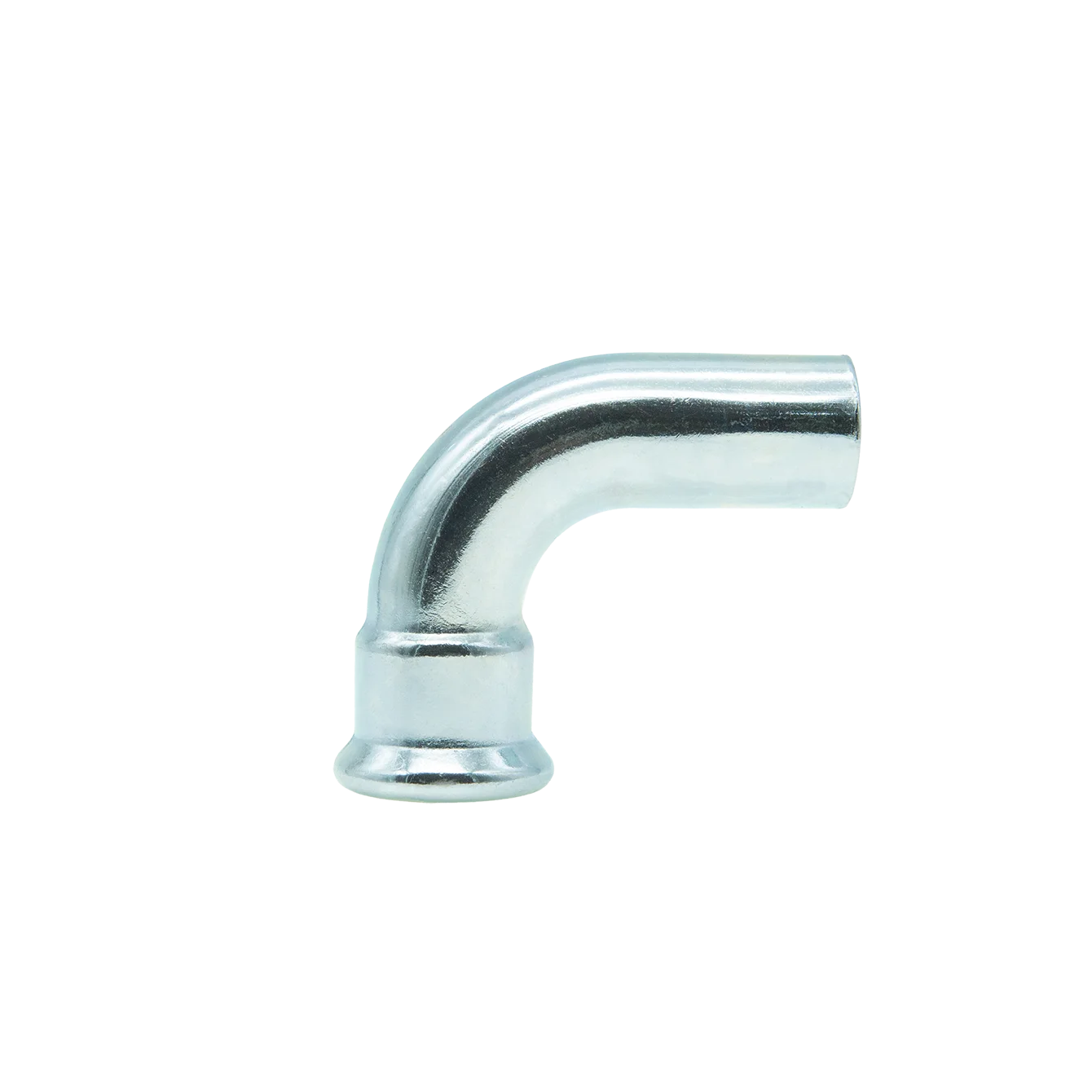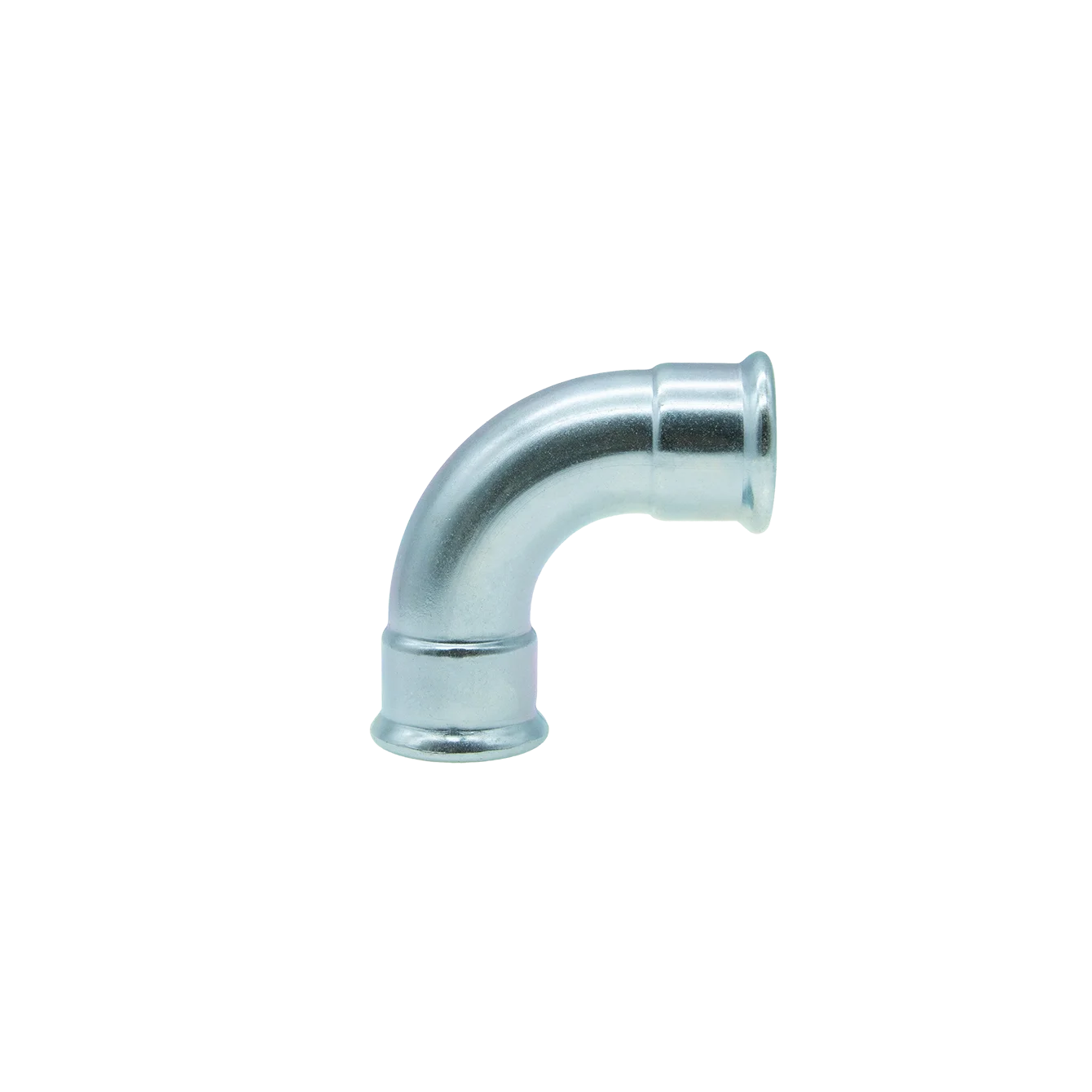
Stainless pipes and fittings are essential components in various industrial applications, particularly in water supply, fire protection, and HVAC systems. As a B2B buyer, your main concerns often include material quality, application compatibility, and overall cost-effectiveness. This article will guide you through the critical factors to consider when selecting stainless pipe and press fitting, helping you make informed decisions that meet your project requirements.
Selecting the appropriate stainless pipe and fitting involves understanding your project's specific requirements, including the application environment, pressure ratings, and compatibility with other materials. Here are key factors to consider:
Material Specifications: Stainless steel comes in various grades, such as 304 and 316. Grade 304 is suitable for most general applications, while Grade 316 offers better corrosion resistance, making it ideal for marine environments or areas with high chloride exposure. Assess the environmental conditions your system will face to choose the right material.
Dimensions and Pressure Ratings: Ensure that the pipe and fitting dimensions align with your system requirements. Common standards include ANSI, ASTM, and ISO. Check the pressure ratings to ensure that the selected products can withstand the maximum pressure they will encounter in your application.
Connection Types: Consider the connection method required for your project. Options include welded, threaded, and flanged connections. Each type offers different advantages in terms of installation and maintenance, so choosing the right one is essential for ensuring a secure fit and minimizing leaks.
Certifications and Standards: Verify that the products comply with industry standards and certifications relevant to your application. This can include NSF certification for drinking water systems or ASME standards for pressure systems.
By carefully evaluating these factors, you can select stainless pipes and ss press fitting that will perform reliably in your specific application.
When purchasing stainless pipes and fittings, several cost factors come into play. Understanding these can help you budget effectively and choose the best options for your project:
Material Costs: The price of stainless steel fluctuates based on market conditions. Grades with higher nickel content, such as 316, typically cost more than lower-grade options like 304. It’s essential to balance material quality with budget constraints.
Manufacturing Processes: The complexity of the manufacturing process can influence pricing. Processes like precision machining or custom fabrication may lead to higher costs. Evaluate whether standard products meet your needs or if customization is necessary.
Order Quantity and MOQ: Most manufacturers have a minimum order quantity (MOQ) that can affect pricing. Larger orders often result in lower per-unit costs. However, be cautious about over-ordering if your project requirements are uncertain.
Shipping and Handling: Consider the logistics involved in transporting the pipes and fittings. Shipping costs can vary significantly based on distance, weight, and packaging requirements. When requesting quotes, ensure you factor in these costs for a clearer picture of total expenditure.
Understanding these cost factors will help you make informed purchasing decisions and avoid unexpected expenses.
Finding trustworthy suppliers for stainless pipes and fittings is crucial for ensuring quality and reliability in your projects. Here are some strategies to identify reliable sources:
Industry Research: Start by researching manufacturers with a strong reputation in the industry. Look for companies with extensive experience, such as CHNCON, which has over 20 years of expertise in producing stainless and carbon steel fittings.
Certifications and Quality Assurance: Evaluate suppliers based on their quality control processes and certifications. Manufacturers that adhere to international standards (like ISO 9001) demonstrate a commitment to quality, which can be a good indicator of product reliability.
Client Testimonials and Case Studies: Seek testimonials from previous clients or case studies that highlight the supplier's capabilities. This can provide insights into the quality of their products and their customer service.
Sample Requests: Before making large orders, request samples of the products. This press pipe fittings allows you to assess their quality firsthand and ensure they meet your specifications.
By carefully vetting potential suppliers, you can ensure that you are sourcing high-quality stainless pipes and fittings that align with your project’s needs.
Proper installation of stainless pipes and fittings is vital for ensuring system performance and longevity. Here are essential installation guidelines:
Preparation: Before installation, inspect all components for defects or damage. Ensure that all surfaces are clean and free from debris, which can lead to leaks or weak connections.
Joining Methods: Depending on the connection type, follow the appropriate joining method. For welded connections, ensure that the welding is done by qualified personnel using the correct techniques to avoid weaknesses. For threaded connections, use appropriate thread sealants to prevent leaks.
Support and Alignment: Properly support pipes to prevent sagging and ensure alignment during installation. Misalignment can lead to stress on joints and fittings, potentially causing failures.
Testing: After installation, conduct pressure testing to confirm the integrity of the system. This is crucial for identifying leaks before the system goes live.
Following these guidelines will help you achieve a durable and efficient piping system.
Chncon has been a specialist in stainless steel pipe systems for over 20 years. The facility is 23000 square metres. Chncon offers 4 products, with more than Ss press fitting that can meet the requirements of every customer. Chncon has been achieved for more than 30 accreditations at home and overseas.
Chncon has a dvgw press fittings RD team that includes more than 10 engineers. We are not limited to providing traditional pipe fittings, but we also provide custom services. We'll provide the best advice and suggestions throughout the development and testing phase of a brand new product to assist you in achieving your goals.
CHNCON has earned the prestigious reputation in China The quality and service both are the best in the industry. Our company is accredited with ISO9001, OHSAS18001 and ISO14001 certifications, Inox press fitting, ICC-ES, WRAS, CSTB, WATERMARK etc. We are committed to bringing new pipeline products with significant advantages of healthy, safe, economical and energy-saving to every corner of the globe.
Chncon has 60 production lines and has a monthly capacity of over 300 000 pieces In this way the delivery time can be assured Chncon has expanded its operations to more than 500 Chinese cities and exports to over 50 nations which has benefited more than 20 million families Chncon a great option for pipelines provides high-quality reliable production times and Press fitting service
Even with high-quality stainless pipes and fittings, issues can arise during installation and operation. Here are common problems and practical solutions:
Corrosion: While stainless steel is resistant to corrosion, it is not immune. In environments with high chloride levels, pitting can occur. To mitigate this, consider using higher-grade stainless steel or applying protective coatings.
Leaking Joints: Leaks can result from improper installation or material fatigue. Ensure all fittings are correctly tightened and inspect for damage post-installation. If leaks occur, identify the fitting type and replace or repair as necessary.
Pressure Loss: Insufficient flow or pressure loss can occur due to blockages or kinks in the piping. Regular maintenance checks and the use of proper installation techniques can prevent these issues.
Thermal Expansion: Stainless steel expands and contracts with temperature changes. Ensure that your installation accommodates for expansion to avoid stress on joints and fittings, which can lead to failures.
By proactively addressing these common issues, you can help ensure the long-term performance of your stainless pipe and fitting systems.
These insights into choosing, sourcing, and maintaining stainless pipes and fittings will equip you to make informed purchasing decisions that support the success of your projects.
Copyright © Zhejiang Zhengkang Industrial Co., Ltd. All Rights Reserved - Privacy Policy