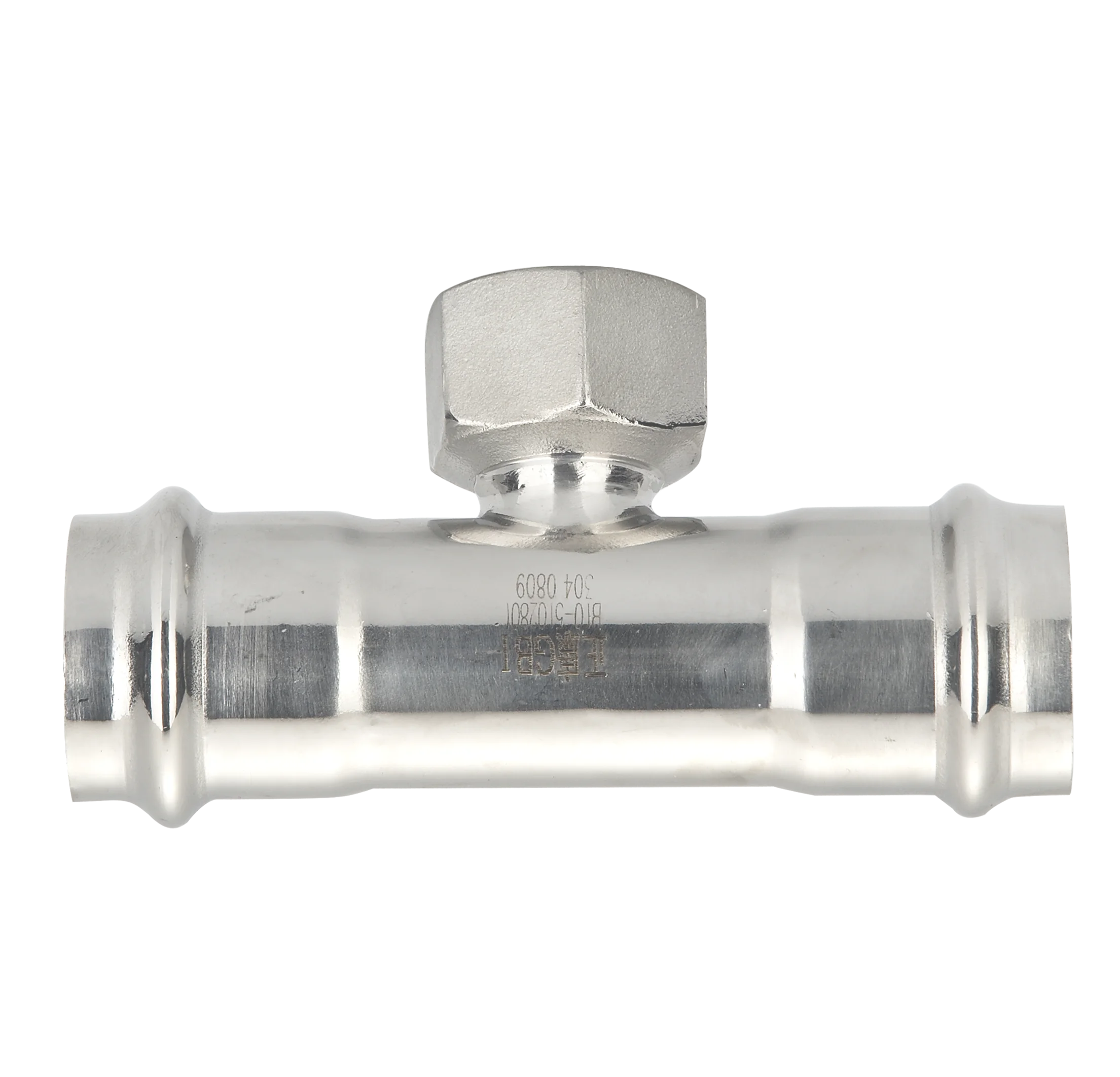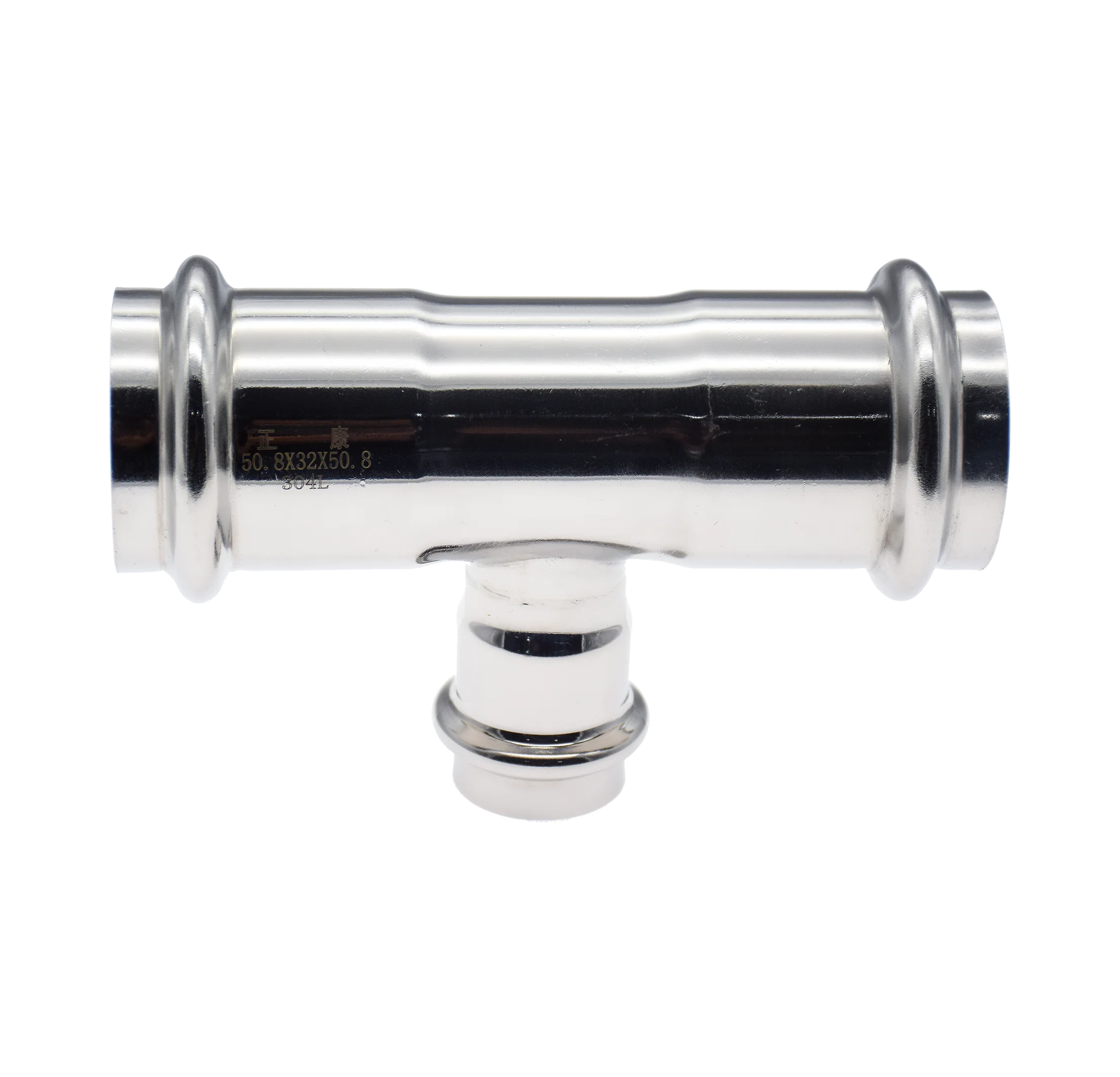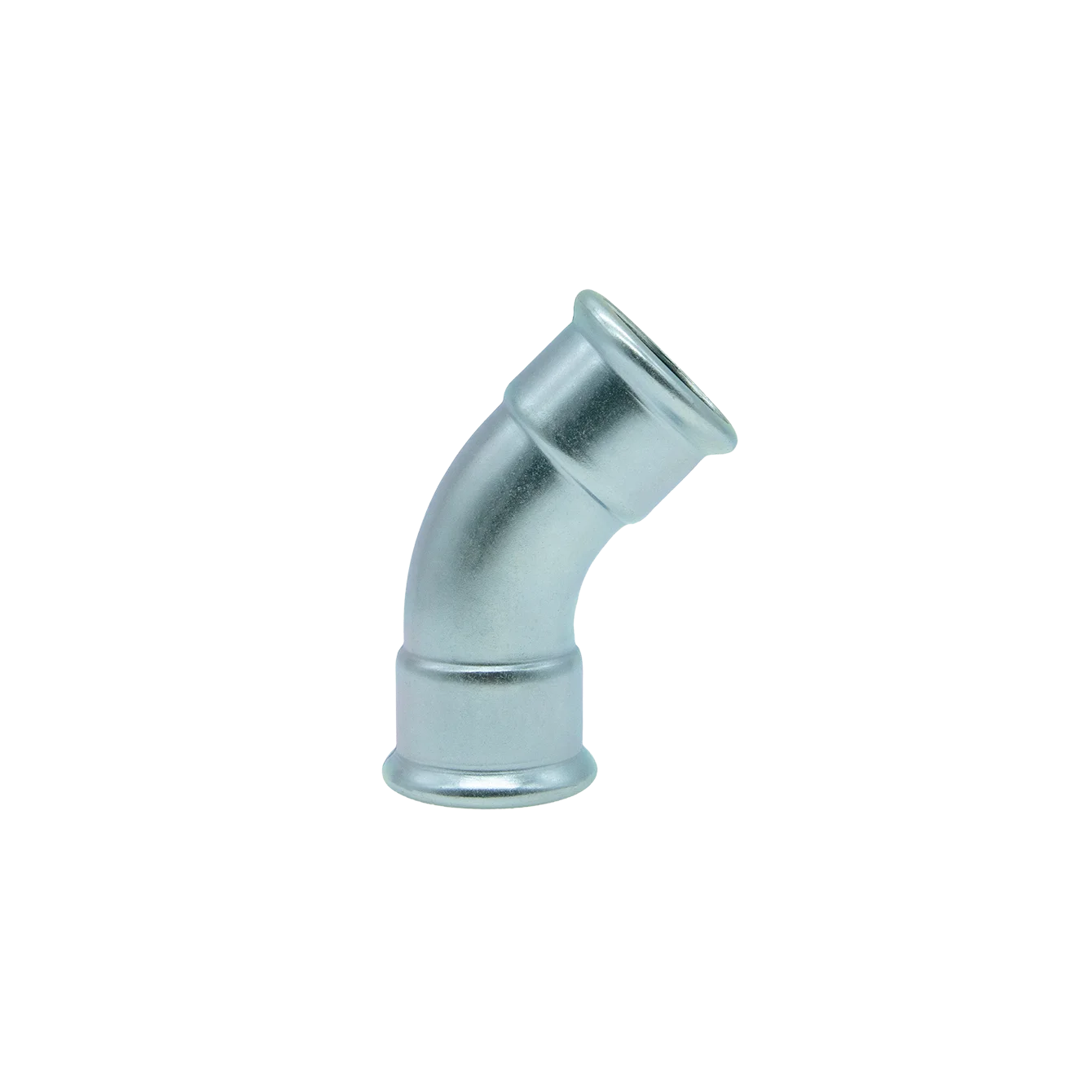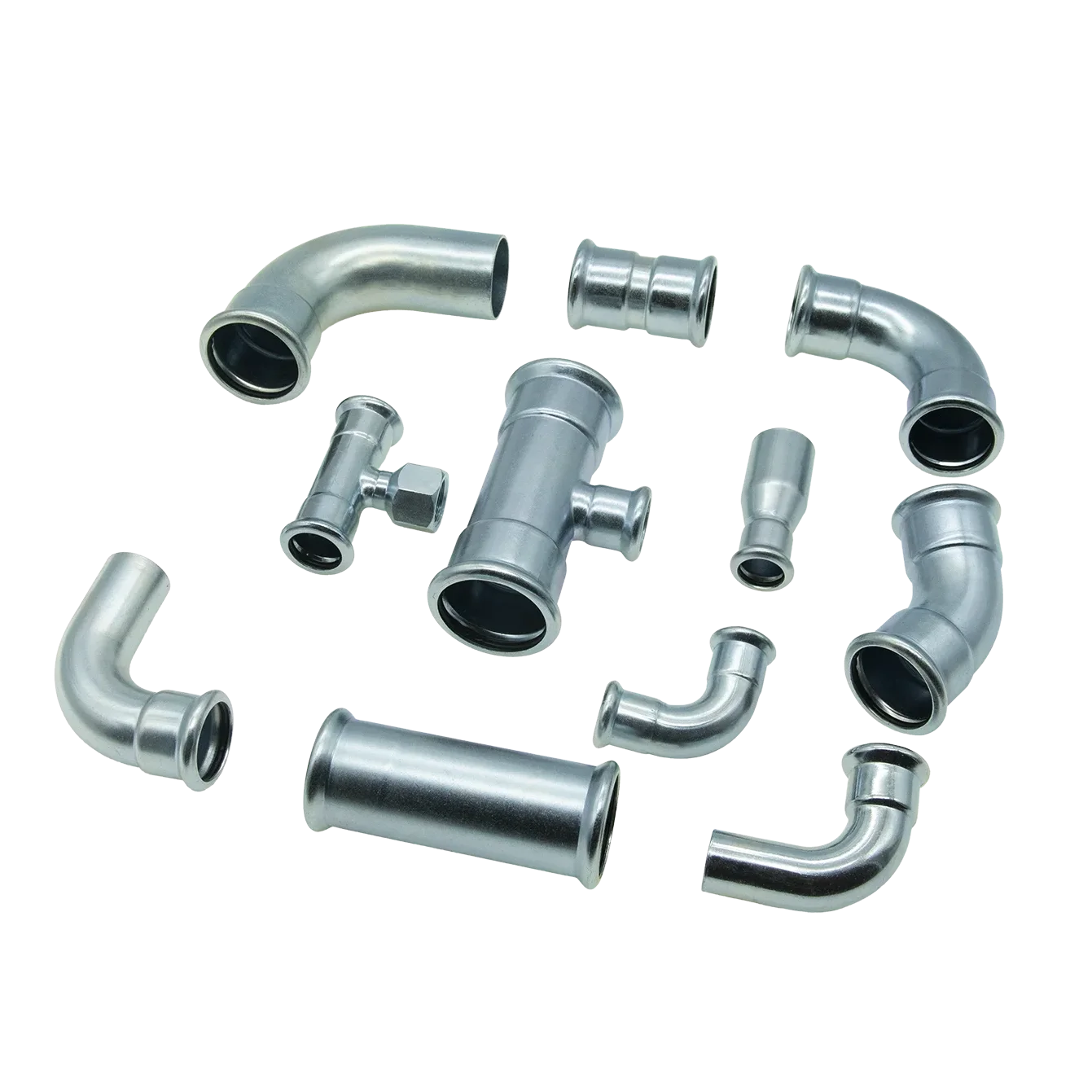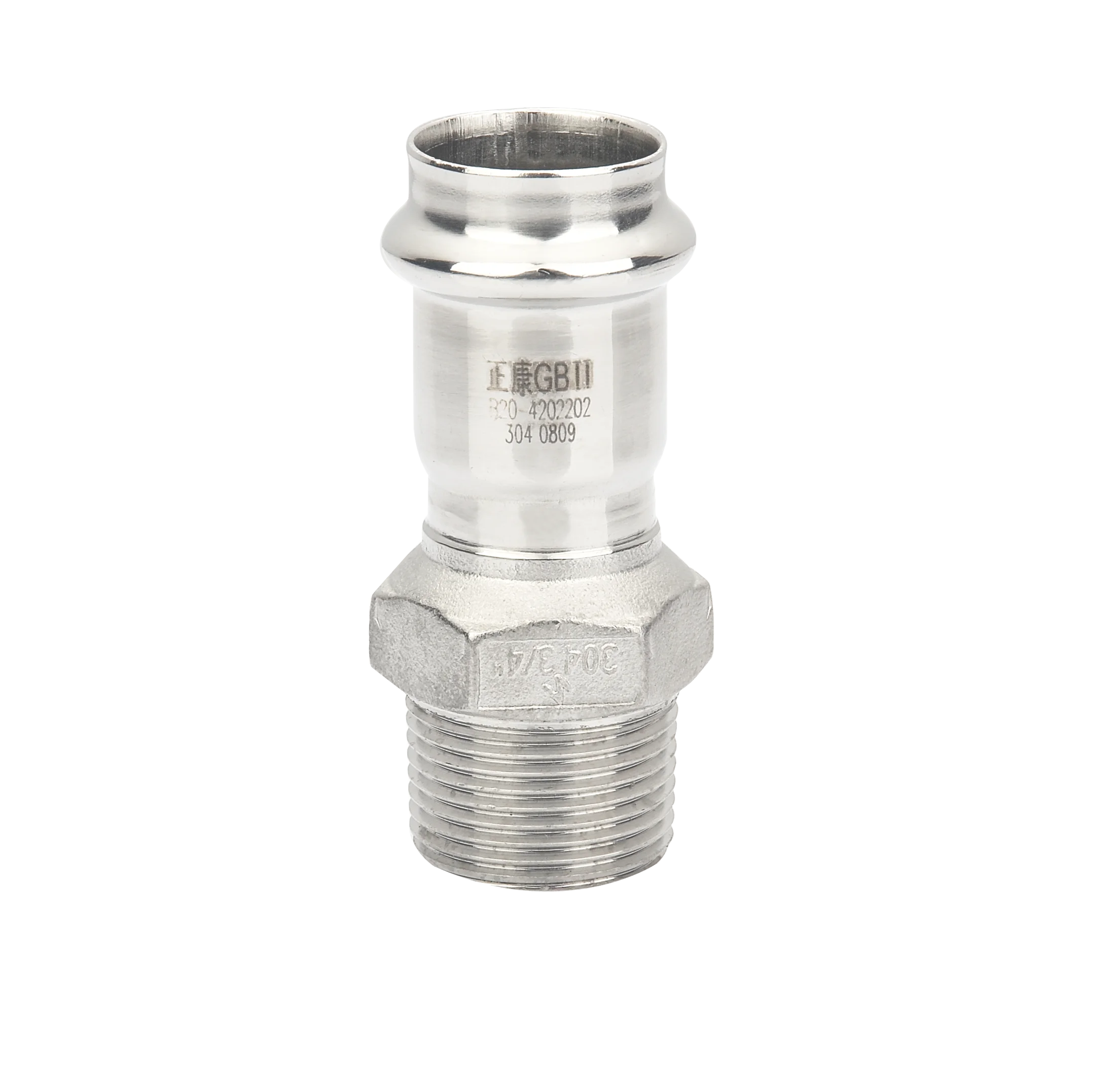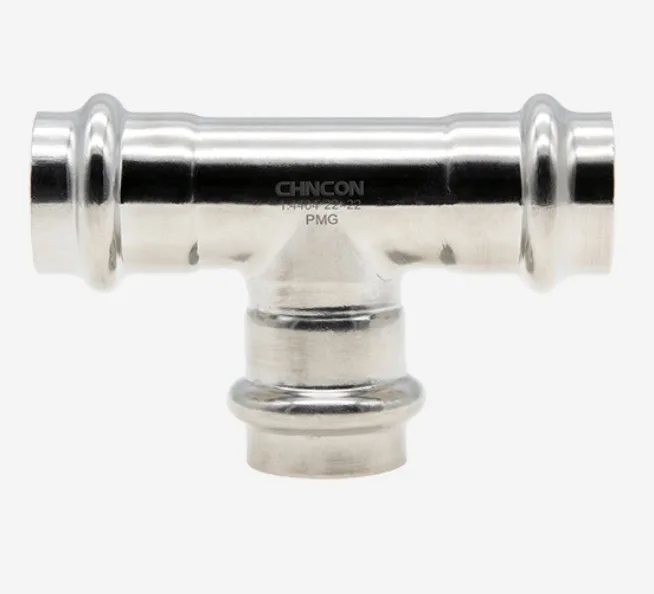
When sourcing stainless steel (SS) pipes for industrial applications, recognizing the right suppliers is crucial for ensuring quality, reliability, and compliance with project specifications. The right SS pipes suppliers can provide products that meet the rigorous demands of water supply, fire protection, and HVAC systems. This article will guide you through the key factors to consider when sourcing ss pipe fittings suppliers, evaluating their quality standards, understanding specifications for bulk orders, assessing cost factors, and addressing common installation issues.
When selecting SS pipe suppliers, several considerations are vital to ensure you choose a reputable partner. Begin by assessing the supplier's experience and expertise in the industry. Suppliers with a proven track record, such as CHNCON, which has over 20 years of experience in manufacturing stainless and carbon stainless pipe fittings, often have the knowledge necessary to meet complex project requirements.
Next, verify the supplier’s manufacturing capabilities. Look for suppliers that utilize advanced technologies and have a robust quality control process. This includes certifications like ISO 9001, which indicates adherence to international quality management standards. Additionally, inquire about their production capacity and lead times to ensure they can meet your project deadlines without compromising quality.
Customization capabilities are also important. Depending on your project needs, you may require specific pipe dimensions, materials, or fittings. Suppliers that can accommodate custom orders can significantly enhance the efficiency of your project.
Finally, consider the supplier's distribution network. Suppliers with a broad reach, such as those operating in over 50 countries and 500 cities, can often provide better support and faster delivery times.
Quality standards are non-negotiable when it comes to sourcing SS pipes. Begin your evaluation by requesting documentation related to the supplier’s quality assurance processes. This should include information on their manufacturing methods, testing procedures, and compliance with relevant industry standards.
Inspect the material specifications of the pipes. High-quality stainless steel should meet specific standards, such as ASTM A312 for seamless and welded pipes, which ensures durability and corrosion resistance. The supplier should provide mill certificates that verify the material composition and mechanical properties.
You should also assess the supplier’s testing protocols. Reliable suppliers will conduct various tests, including hydrostatic tests, to ensure the pipes can withstand high pressure. Ask for details on how they handle non-conformance issues and the corrective actions they take to maintain quality.
Additionally, seek feedback from other customers regarding their experiences with the supplier’s product quality. Testimonials and case studies can provide insight into the supplier's reliability and the performance of their products in real-world applications.
When placing bulk orders for SS pipes, several key specifications must be considered to ensure suitability for your application. These include:
Dimensions and Sizing: Ensure that the pipe dimensions, including diameter and wall thickness, meet your project requirements. Standards such as pipe schedules (Schedule 40, Schedule 80) dictate the thickness and pressure ratings of the pipes.
Material Grade: Depending on the application, different grades of stainless steel may be suitable. For example, 304 and 316 stainless steels are commonly used, with 316 offering better corrosion resistance, particularly in marine environments.
Surface Finish: The surface finish of the pipes can affect their performance and appearance. A smooth surface finish often reduces friction and is easier to clean, which is critical in sanitary applications.
End Connections: Ensure the pipes have the required end connections (threaded, welded, or flanged) for compatibility with your existing systems.
Pressure Rating: Confirm that the pipes can handle the expected operating pressures in your system. This is critical for safety and performance.
Before finalizing your order, review all specifications with the supplier to prevent any misunderstandings and ensure compliance with your project’s needs.
Understanding the cost factors involved in purchasing SS pipes in bulk is key to managing your project budget effectively. The price of stainless steel fluctuates based on market conditions, so it's essential to stay informed about current steel prices.
When evaluating costs, consider the following components:
Material Costs: The type and grade of stainless steel significantly impact the overall price. Higher-grade materials with better corrosion resistance will generally be more expensive.
Manufacturing Processes: The complexity of the manufacturing process, including any customizations, can add to the cost. Simple, standard products will typically be less expensive than custom or specialized fittings.
Order Volume: Bulk orders often benefit from economies of scale. Suppliers may offer discounts for larger orders, so it's beneficial to inquire about pricing tiers based on quantity.
Shipping and Handling: Depending on your location, shipping costs can vary. Factors like distance, shipping method, and packaging should be factored into your overall cost assessment.
Lead Times: Faster production times may come at a premium, so balance your budget with your timeline requirements. It may be more economical to accept longer lead times if your project schedule allows for it.
Understanding these factors will help you make more informed purchasing decisions and optimize your budget.
Chncon factory is home to 60 production lines with an outstanding capacity of production which is more than 300 000pcs pipes and fittings monthly produced This gives a high promise of timely delivery In the present Chncon' business have expanded to more than 500 cities in China and exported to more than 50 countries and regions benefiting nearly 20 million facilities Quality efficiency in production and a dvgw press fittings customer service Chncon is an excellent choice in pipeline area.
Chncon is a specialist in stainless steel pipe systems for over m press fitting. The factory is covered by 23000 square metres. Chncon has 4 product series including over 10,000 pipe fittings which meet the requirements of all customers. Chncon has achieved more than 30 certificates at home and internationally.
CHNCON has earned the prestigious reputation in China The quality and service both are the best in the industry. Our company is accredited with ISO9001, OHSAS18001 and ISO14001 certifications, Press fitting, ICC-ES, WRAS, CSTB, WATERMARK etc. We are committed to bringing new pipeline products with significant advantages of healthy, safe, economical and energy-saving to every corner of the globe.
Chncon has a professional RD team which has more than 10 engineers. That means we not only can provide you traditional pipe fittings, but also will provide the customizing service. We will offer our V press fitting and suggestions during the development and testing phase of a brand new product to help you realize your vision.
Even high-quality SS pipes can present challenges during installation. Being aware of common installation issues can help mitigate problems and ensure a successful project. Some common problems include:
Misalignment: Pipes need to be aligned correctly to avoid stress and potential failure. Ensure that all joints are properly fitted before securing them in place. Using alignment tools can help maintain accuracy.
Heat Expansion: Stainless steel can expand and contract with temperature changes, which may cause fittings to loosen over time. To counter this, incorporate expansion joints or flexible couplings that can accommodate movement.
Corrosion at Joints: Improperly sealed joints can lead to corrosion and leaks. Ensure that all connections are sealed with appropriate materials and techniques, such as using Teflon tape on threaded connections or proper welding methods.
Inadequate Support: Insufficient support can lead to sagging or bending of pipes, especially in long runs. Be sure to install adequate hangers and supports at regular intervals to maintain stability.
Contamination: Contaminants can enter the system during installation, particularly in water supply lines. It’s crucial to keep all components clean and to flush the system before use.
By addressing these common installation problems proactively, you can enhance the performance and longevity of your SS piping systems.
Understanding how to choose, evaluate, and install stainless pipe will empower you to make informed decisions, ensuring your projects run smoothly and efficiently.

Copyright © Zhejiang Zhengkang Industrial Co., Ltd. All Rights Reserved - Privacy Policy