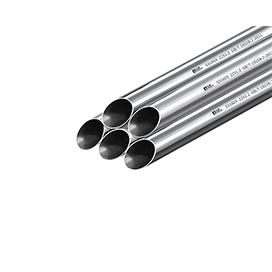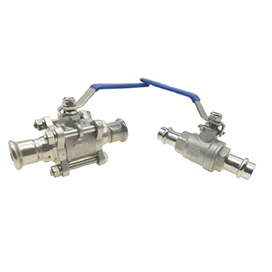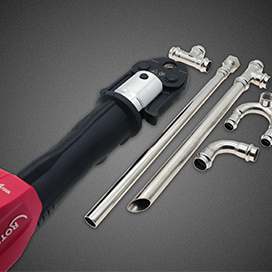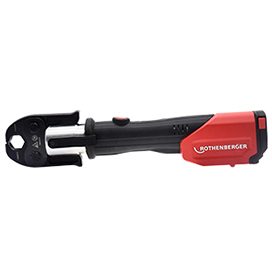
Flexible stainless steel tubing is a versatile and durable solution commonly used in various industries, including HVAC, plumbing, and fire protection. B2B buyers often prioritize aspects such as material quality, application suitability, and installation ease when sourcing these products. This article will provide insights into key specifications, cost factors, installation guidance, common issues, and material advantages of flexible stainless steel tubing, helping you make informed purchasing decisions
When selecting flexible stainless steel tubing, several key specifications must be considered to ensure optimal performance for your application
Material Composition: The tubing is typically made from high-grade stainless steel, such as 304 or 316, which provides corrosion resistance and durability. The choice of grade impacts the tubing's suitability for specific environments, especially those exposed to harsh chemicals or high temperatures
Diameter and Thickness: Tubing is available in various diameters and wall thicknesses, influencing flow capacity and pressure ratings. It's crucial to match these specifications with your system requirements. For example, a thicker wall may be necessary for high-pressure applications to prevent rupture
Flexibility and Bend Radius: Flexibility is a critical factor, particularly in installations with tight spaces or complex layouts. Each type of flexible stainless steel tubing has a specified minimum bend radius, which should be adhered to in order to avoid kinks or damage that could compromise performance
Pressure Rating: Ensure that the tubing's pressure rating meets or exceeds the demands of your application. This specification is essential for maintaining system integrity, particularly in high-pressure water supply or fire protection systems
Length: The tubing is often available in standard lengths, but custom lengths can be requested to meet specific installation requirements. Consider your project needs when determining the length of tubing to order
Understanding these specifications will empower you to choose the right flexible stainless steel tubing for your applications
When purchasing flexible stainless steel tubing in bulk, several cost factors come into play that can affect your overall expenditure
Material Costs: The price of stainless steel fluctuates based on market conditions. Different grades of stainless steel come with varying costs, so it’s important to consider the balance between material quality and budget constraints
Quantity Discounts: Many manufacturers, including CHNCON, offer pricing tiers for bulk orders. Purchasing larger quantities can lead to significant savings per unit. Therefore, consolidating orders can be a smart strategy for cost-effective purchasing
Customization Fees: If your project requires customized lengths, diameters, or other specific modifications, be aware that these can incur additional costs. Ensure to request a detailed quotation that outlines any customization fees
Shipping Costs: Depending on your location and the manufacturer’s shipping policies, transportation costs can vary. Consider negotiating shipping terms or exploring local suppliers to minimize logistics expenses
Lead Times: Longer lead times may delay your project and lead to increased costs in other areas. It is advisable to confirm production schedules and anticipate any potential delays when planning your purchase
By understanding these cost factors, you can better navigate the purchasing process and optimize your budget for flexible stainless steel tubing
Proper installation of flexible stainless steel tubing is crucial for ensuring optimal performance and longevity. Here are some key guidelines to follow
Preparation: Before installation, inspect the tubing for any damage or imperfections. Ensure that all fittings and connectors are compatible with the tubing’s specifications
Cutting and Fitting: Use appropriate cutting tools to ensure clean, straight cuts. Tubing should be cut to the required lengths, and any burrs or sharp edges should be smoothed out to prevent leaks
Bending: When bending the stainless steel coil tubing, adhere to the minimum bend radius specified by the manufacturer. This will prevent kinking and ensure fluid flow is maintained. Use a proper bending tool for best results
Connecting: Securely connect the tubing to fittings, ensuring that all connections are tight and leak-free. Use appropriate sealing methods, such as Teflon tape or thread sealant, as needed
Testing: After installation, conduct a pressure test to verify that there are no leaks and that the system functions as intended. This step is essential in ensuring safety and reliability in applications such as fire protection systems
Maintenance: Regular inspections should be performed to check for signs of wear or corrosion. Addressing any issues early can prevent costly repairs or replacements down the line
By following these installation guidelines, you can enhance the performance and reliability of your flexible stainless steel tubing systems
While flexible stainless steel tubing is known for its durability, certain issues can arise during its use. Here are some common problems and their solutions
Kinking: Kinks can occur if the tubing is bent beyond its minimum bend radius. To prevent this, always adhere to the manufacturer’s specifications for bending and avoid tight turns in installation
Corrosion: Although stainless steel is resistant to rust, it can still corrode in certain environments, especially when exposed to chlorides. If corrosion is detected, assess the environmental factors and consider using higher-grade stainless steel or protective coatings
Leaks: Leaks can occur at connections if fittings are not properly secured or if the tubing is damaged. Regularly inspect connections and tighten them as necessary. If leaks persist, consider replacing the affected section of tubing
Pressure Loss: If there is a noticeable drop in pressure, it may indicate a blockage or kink in the tubing. Conduct a thorough inspection to identify and resolve any flow obstructions
Thermal Expansion: As temperatures fluctuate, stainless steel may expand or contract, potentially causing stress at connections. Ensure that your installation allows for thermal movement and consider using flexible fittings to accommodate these changes
By being aware of these common problems and implementing proactive solutions, you can maintain the integrity and efficiency of your flexible stainless steel tubing systems
CHNCON has earned the prestigious reputation in China The quality and service both are the best in the industry. Our company is accredited with ISO9001, OHSAS18001 and ISO14001 certifications, Press fitting, ICC-ES, WRAS, CSTB, WATERMARK etc. We are committed to bringing new pipeline products with significant advantages of healthy, safe, economical and energy-saving to every corner of the globe.
Chncon has a professional RD team that includes more than 10 engineers. We can not only provide standard pipe fittings, however we also offer custom services. During Stainless steel pipe time of RD for new products We will do our best to provide you with professional advice and suggestions so that your ideas can be well executed.
Stainless steel pipe factory has 60 production lines that have an excellent production capacity of more than 300 000 pieces of fittings and pipes annually produced This means that the delivery date can be well guaranteed Chncon has spread its business to more than 500 Chinese cities and exports to over 50 countries which has benefited more than 20 million families Chncon is a top choice for pipelines is a top quality efficient production times and thoughtful service
Chncon has been a specialist in stainless steel pipe systems for over 20 years. The facility is 23000 square metres. Chncon offers 4 products, with more than Inox pipes that can meet the requirements of every customer. Chncon has been achieved for more than 30 accreditations at home and overseas.
Flexible stainless steel tubing offers numerous advantages that make it a preferred choice for contractors across various applications
Corrosion Resistance: The inherent properties of stainless steel provide excellent resistance to rust and corrosion. This makes it particularly suitable for use in environments exposed to moisture and chemicals, ensuring a longer lifespan
Flexibility and Adaptability: The flexibility of stainless steel tubing allows for easy installation in complex layouts and tight spaces. This adaptability can reduce labor costs and installation time, making it an attractive option for contractors
Durability: Stainless steel tubing is known for its strength and resistance to physical impact. This durability translates to fewer replacements and maintenance requirements over time, providing long-term cost savings
Low Maintenance: Compared to other materials, stainless steel requires less frequent maintenance. Its resistance to scaling and deposits means that systems can operate more efficiently with minimal intervention
Aesthetic Appeal: The polished finish of stainless steel gas tubing can enhance the visual appeal of exposed installations, making it a popular choice in visible areas of commercial and residential construction
By leveraging these material advantages, contractors can deliver reliable, efficient, and aesthetically pleasing solutions for their clients

Copyright © Zhejiang Zhengkang Industrial Co., Ltd. All Rights Reserved - Privacy Policy