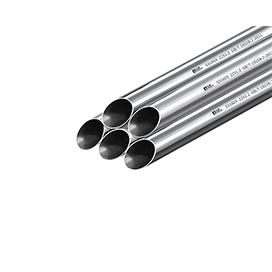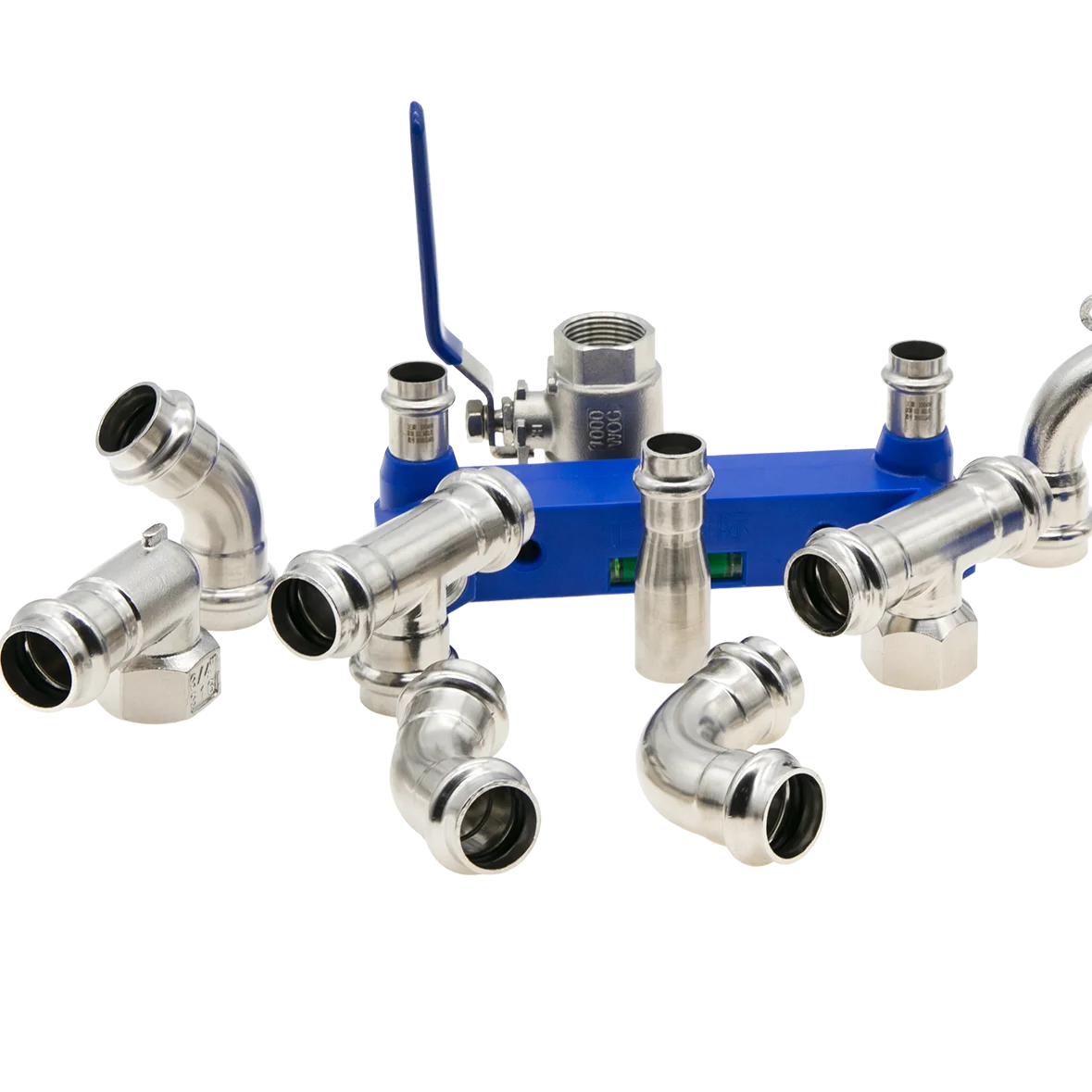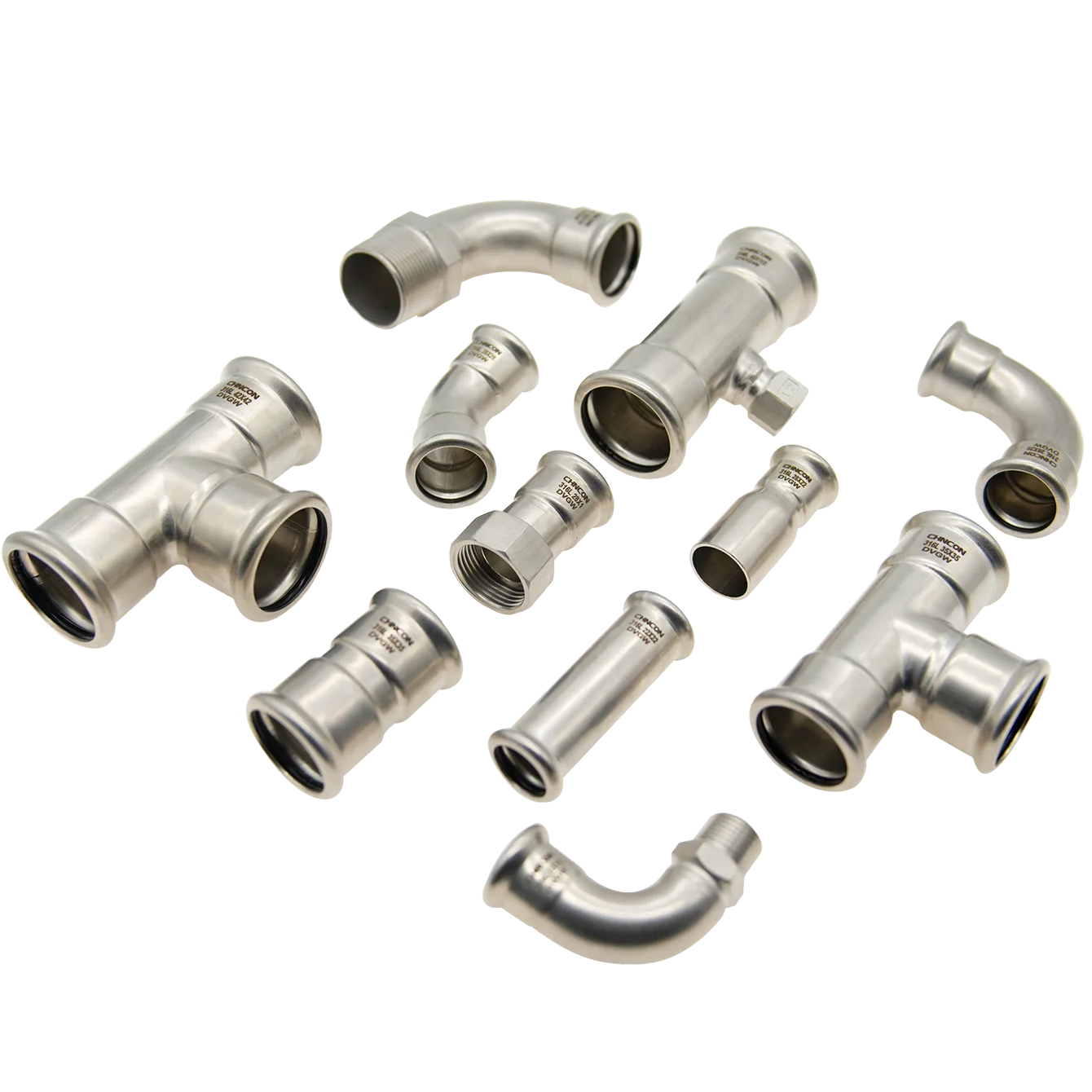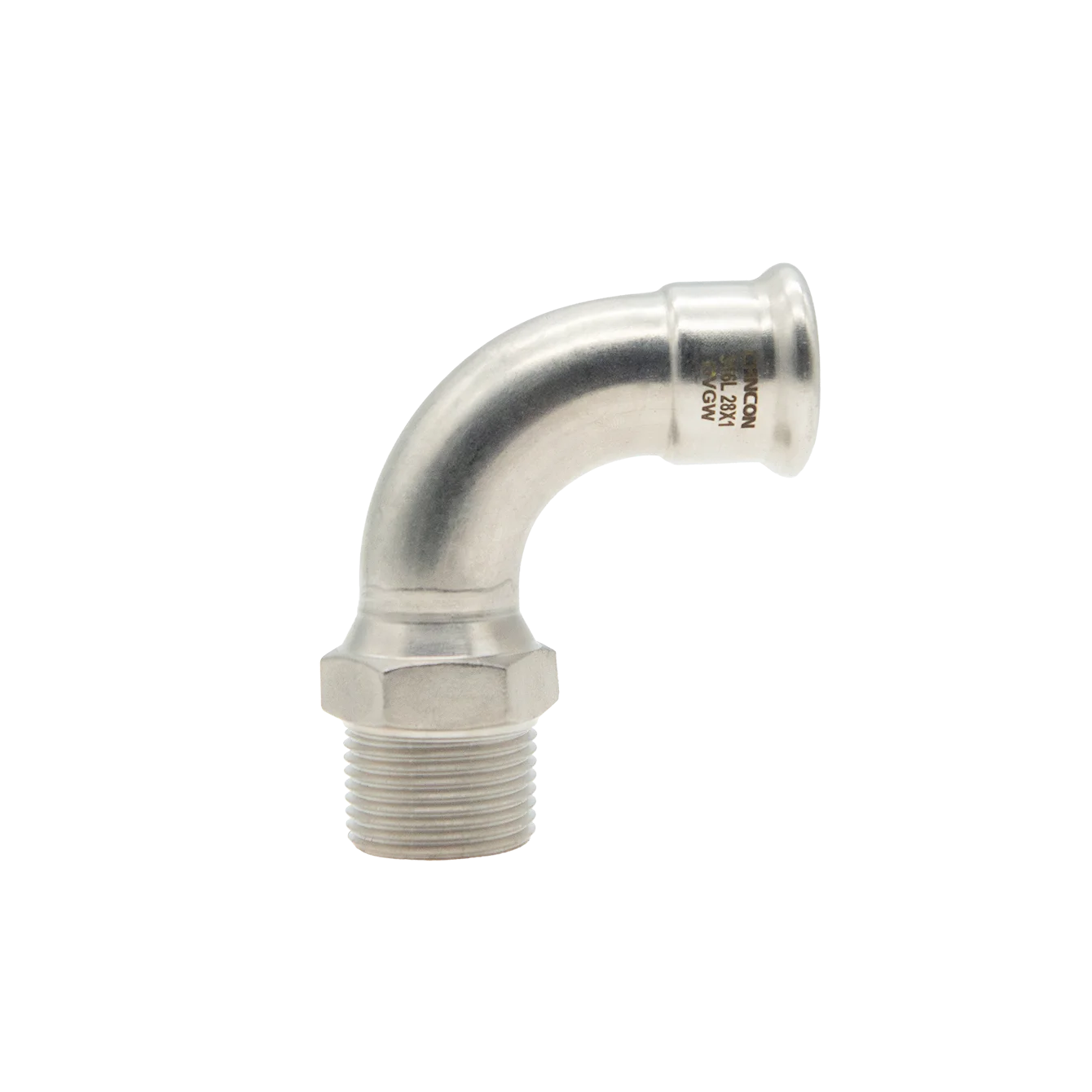
Flexible stainless pipes are essential components in various industrial applications, particularly in HVAC systems, water supply, and fire protection. These pipes offer a range of benefits, including corrosion resistance, flexibility, and ease of installation. However, B2B buyers often face challenges when selecting the right flexible stainless pipe fittings for their projects. This article will guide you through the key considerations for choosing the right product, understanding specifications, quality factors, installation guidelines, and the advantages of using flexible stainless pipes in industrial applications.
Selecting the right flexible stainless pipe involves several critical considerations. Buyers should first assess the intended application, as this will dictate the required specifications. Key factors to evaluate include the pipe's diameter, length, and wall thickness, which must align with the operational pressure and flow rate of the system. Next, consider the material grade. stainless pipe and fittings steel pipes come in various grades, such as 304 and 316, each offering different levels of corrosion resistance and strength. For example, grade 316 is ideal for applications involving chlorides or harsher environments, while grade 304 is generally sufficient for most indoor water supply systems. Additionally, consider the flexibility required for your installation. Flexible stainless pipes are designed to bend easily, which is beneficial in tight spaces or when connecting different components of a system. Buyers should also evaluate the connection type, such as threaded or welded, to ensure compatibility with existing fittings.
When placing a bulk order for flexible stainless pipes, several key specifications should be confirmed to ensure the order meets your project requirements. These include:
Diameter and Length: Specify the exact internal and external diameters, as well as the lengths required. This is crucial for ensuring proper fit and function in your application.
Wall Thickness: The wall thickness affects the pipe's pressure rating and durability. Buyers should consult with their engineering teams to determine the appropriate thickness based on expected pressures and operational conditions.
Material Specification: Ensure that the pipes meet industry standards and specifications, such as ASTM or ISO certifications. This guarantees that the product will perform as expected in its intended application.
Surface Finish: The surface finish can impact corrosion resistance and aesthetic quality. Buyers should specify the desired finish, whether it be polished, brushed, or matte, depending on the application.
Packaging and Delivery Requirements: Clearly outline any specific packaging needs, as well as delivery timelines, to ensure that the order arrives on schedule and undamaged.
Quality and cost are two of the most significant factors influencing the purchase of flexible stainless pipes. When evaluating quality, buyers should consider the manufacturer’s reputation, production capabilities, and quality control processes. A reliable manufacturer, like CHNCON, typically employs stringent quality checks throughout the production process, ensuring that every pipe meets the required specifications and industry standards.
Cost factors can vary significantly based on material, manufacturing processes, and order quantity. It's important to remember that while a lower initial price may be appealing, it could lead to higher long-term costs if the pipes fail prematurely. Therefore, buyers should weigh the cost against the expected lifespan and performance of the pipes. Additionally, bulk orders often come with discounts, which can help manage overall project costs.
Proper installation of flexible stainless pipes in HVAC systems is crucial for optimal performance. Here are key guidelines to ensure a successful installation:
Preparation: Before installation, inspect the pipes for any damage or defects. Ensure all necessary fittings and tools are available.
Proper Alignment: When connecting flexible pipes to fixed components, ensure that they are aligned correctly to avoid stress on the joints, which can lead to leaks or failure.
Bending Radius: Maintain the recommended bending radius specified by the manufacturer. Over-bending can compromise the pipe's integrity and lead to kinks.
Support and Anchoring: Use appropriate supports to prevent sagging and movement of the pipes. This is particularly important in long runs where the weight of the pipe could lead to stress on the joints.
Sealing Connections: Ensure all connections are properly sealed to prevent leaks. Depending on the connection type, appropriate sealants or thread tape should be used.
Testing: After installation, conduct pressure tests to verify that the system is leak-free and functioning as intended.
Chncon has 60 production lines with a monthly production capacity of over Inox pipes This provides a great guarantee of delivery Currently Chncon' business have spreader over 500 cities across China and exported to more than 50 countries and regions which has helped more than 20 million family members Top quality efficient production time thoughtful service Chncon is a wonderful option for pipelines
Chncon has been a specialist in stainless steel pipe systems for over 20 years. The facility is 23000 square metres. Chncon offers 4 products, with more than Stainless steel press pipes that can meet the requirements of every customer. Chncon has been achieved for more than 30 accreditations at home and overseas.
CHNCON is well-known in China. Quality and service are both at the top of their game. Our company is accredited by ISO9001, Stainless steel pipe, ISO14001, DVGW, ICC-ES, WRAS, CSTB and WATERMARK certifications as well as other such. We committed to deliver new pipeline products with significant advantages of healthy, safe efficient and cost-effective to around the world.
Chncon has a professional RD team that includes more than 10 engineers. We can not only provide standard pipe fittings, however we also offer custom services. During Stainless steel pipe time of RD for new products We will do our best to provide you with professional advice and suggestions so that your ideas can be well executed.
Flexible stainless pipes offer several advantages in industrial applications, making them a preferred choice for many engineers and purchasing managers:
Corrosion Resistance: Stainless steel is inherently resistant to rust and corrosion, making it suitable for environments exposed to moisture or chemicals.
Ease of Installation: The flexibility of these pipes allows for easier installation in tight spaces and complex layouts, reducing labor costs and installation time.
Durability: Flexible stainless pipes have a longer lifespan compared to other materials, which can lead to reduced maintenance costs and fewer replacements over time.
Versatility: These pipes can be used in a variety of applications, including water supply, HVAC, and fire protection systems, due to their adaptability and performance.
Cost-Effectiveness: While the initial investment may be higher than some alternatives, the long-term savings in maintenance and replacement costs make flexible stainless pipes a cost-effective solution. In summary, flexible stainless pipe price are a vital component in many industrial applications, offering numerous benefits. By understanding how to choose the right product, the key specifications for bulk orders, quality and cost factors, installation guidelines, and the advantages of these pipes, buyers can make informed decisions that meet their project needs.
Copyright © Zhejiang Zhengkang Industrial Co., Ltd. All Rights Reserved - Privacy Policy