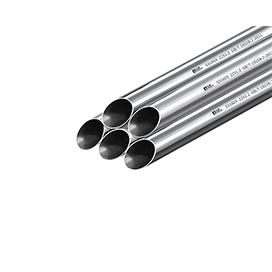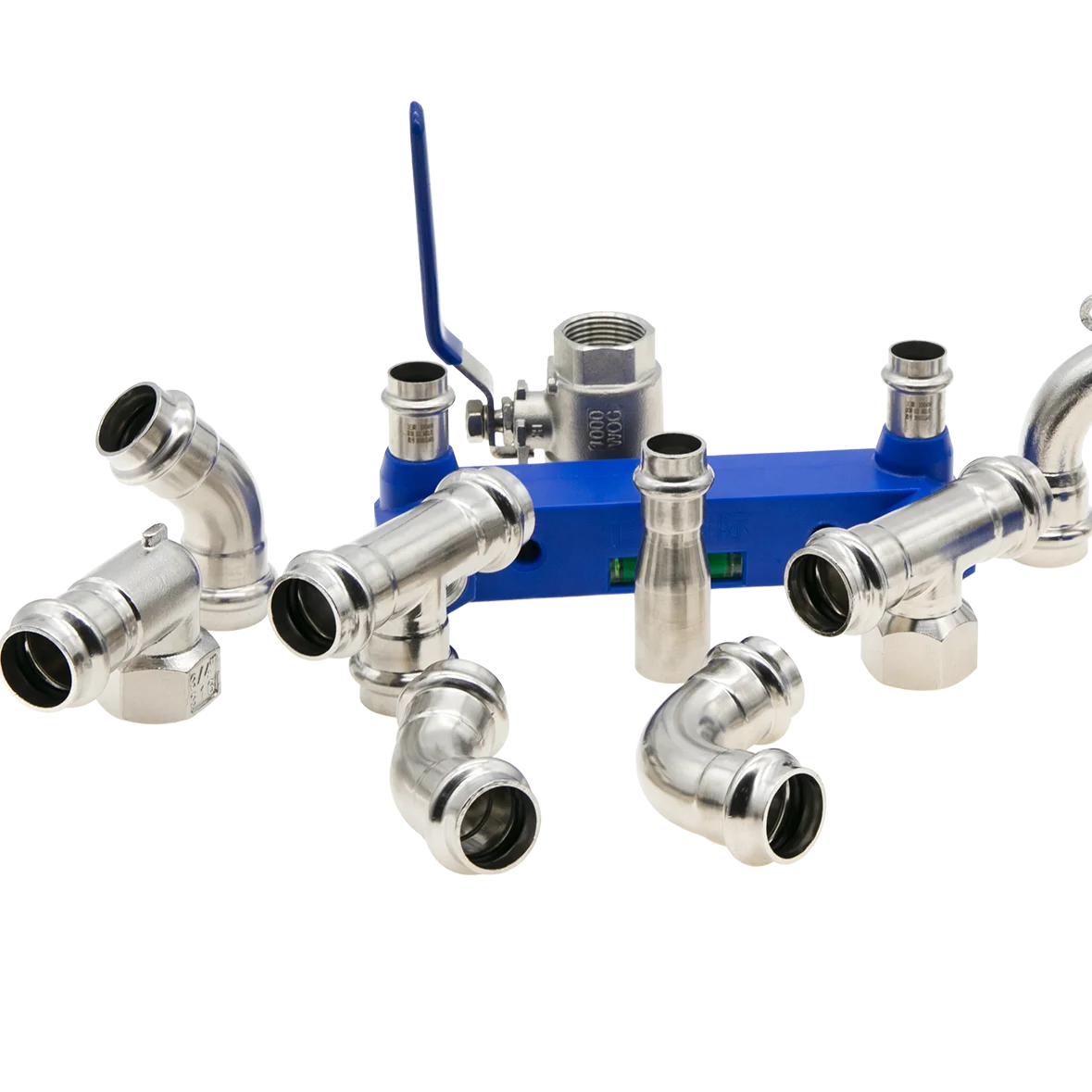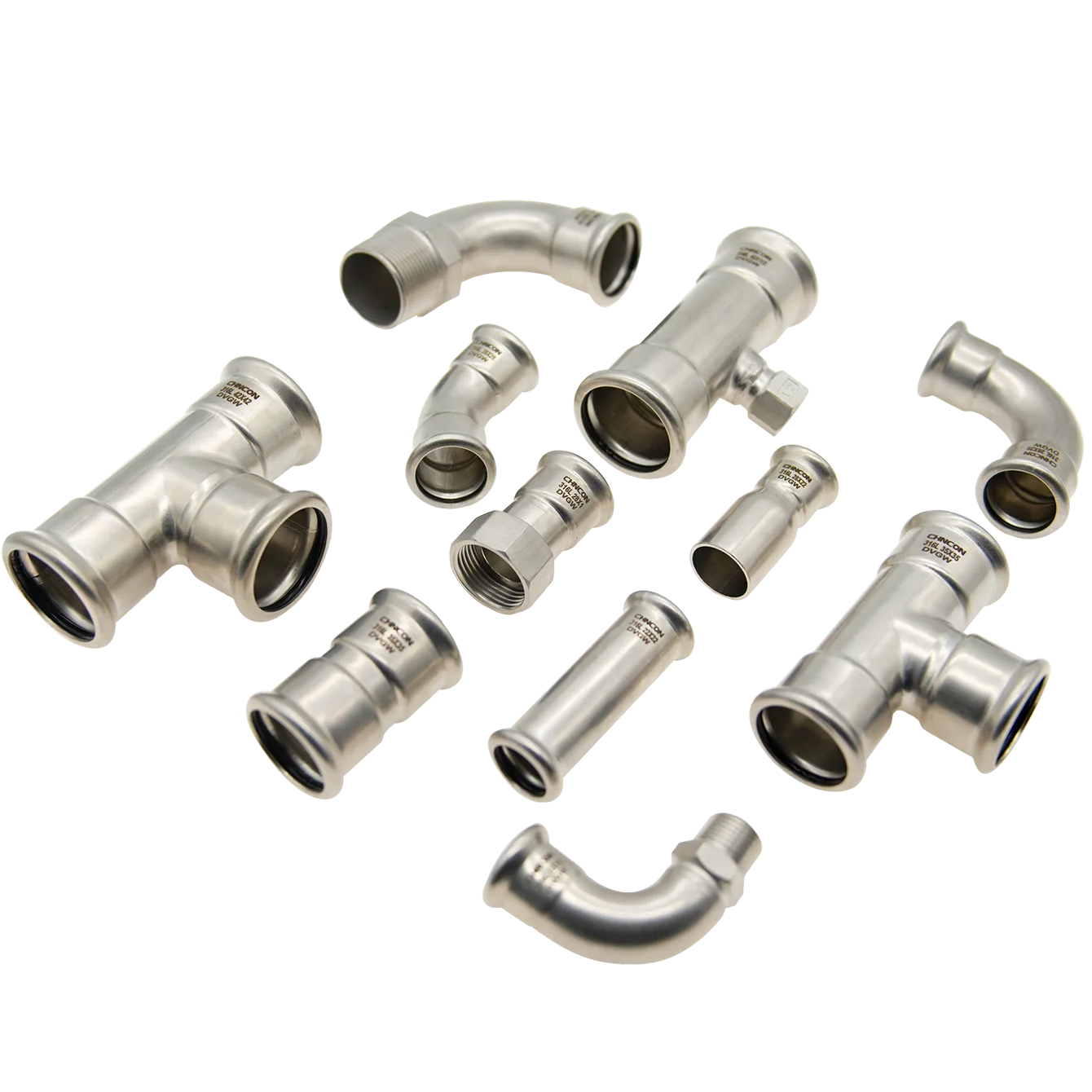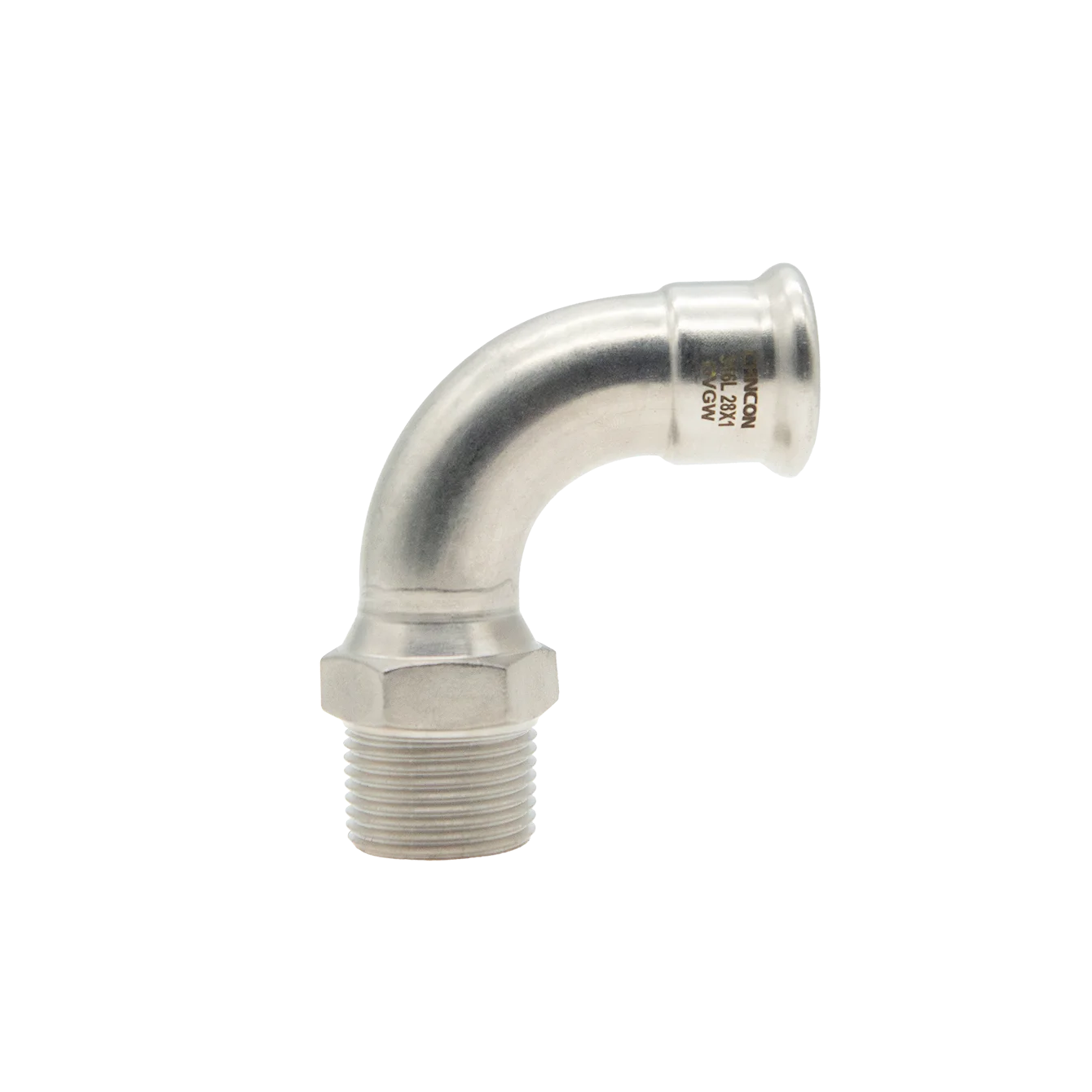
316 stainless pipe is a versatile and high-performance piping solution commonly used in various industrial applications. As a B2B buyer, understanding the specifications, quality, and sourcing options for 316 stainless pipes is crucial for making informed purchasing decisions. This article will address common buyer concerns, such as material selection, supplier evaluation, and quality assurance, providing actionable insights that can help you choose the right product for your project's needs.
When considering 316 stainless pipe for your industrial applications, it’s essential to understand its specifications. 316 stainless steel is known for its excellent corrosion resistance, making it suitable for environments where exposure to moisture, salt, or chemicals is common. Key specifications to consider include:
Material Composition: 316 stainless steel typically contains 16-18% chromium, 10-14% nickel, and about 2-3% molybdenum. This composition enhances its resistance to pitting and crevice corrosion, which is particularly beneficial in marine and chemical processing applications.
Dimensions and Schedules: Sizing is critical. Standard pipe dimensions are governed by the American National Standards Institute (ANSI) and the American Society for Testing and Materials (ASTM). Common schedules range from Schedule 10 to Schedule 80, which indicate the pipe wall thickness. For high-pressure applications, thicker schedules may be necessary.
End Types: Pipes can come with various end types, such as plain, beveled, or threaded, depending on how they will be connected in the system. It’s crucial to match these with your existing fittings to ensure compatibility.
Understanding these specifications ensures that you select the right product that meets your project’s performance requirements.
Selecting the appropriate 316 stainless pipe involves several considerations:
Application Requirements: Identify the specific conditions under which the pipe will be used. For instance, will it be exposed to high temperatures or aggressive chemicals? The environment can significantly affect material performance and longevity.
Flow Requirements: Consider the flow rate and pressure requirements of your system. Larger diameters may be necessary for higher flow rates, while smaller sizes may suffice for lower demands.
Customization Needs: Depending on your project, you may require customized lengths or diameters. Many manufacturers, like CHNCON, offer customization options to meet specific design needs.
Budget Considerations: Price can vary significantly based on specifications and supplier. Ensure that you balance cost with quality, as opting for a cheaper alternative may lead to higher maintenance costs down the line.
By clearly defining your project requirements and understanding the specifications, you can make a more informed decision on which 316 stainless pipe to purchase.
Finding a trustworthy supplier is crucial in ensuring the quality of your 316 stainless pipe. Here are some strategies:
Industry Referrals: Networking within the industry can lead to recommendations for reliable suppliers. Colleagues or other businesses that have used 316 stainless pipes may provide insights into their experiences.
Certifications: Look for suppliers who have relevant certifications, such as ISO 9001, which indicates a commitment to quality management standards. This certification can offer peace of mind regarding the consistency and reliability of the products.
Supplier Experience: Consider suppliers with significant experience in manufacturing stainless pipe fittings steel products. Companies like CHNCON, with over 20 years in the industry, often have established quality control processes and a robust supply chain.
Request Samples: Before making bulk purchases, request samples to evaluate the product quality firsthand. This step is crucial to ensure that the pipe meets your specifications and performance expectations.
Using these strategies can help you identify suppliers who provide high-quality 316 stainless pipes that meet your project’s requirements.
To ensure that you are purchasing high-quality 316 stainless pipes, consider the following evaluation criteria:
Material Inspection: Confirm that the pipes are made from genuine 316 stainless steel. A reputable supplier should provide material certificates that outline the chemical composition and mechanical properties.
Dimensional Accuracy: Use calipers or measuring tools to check the dimensions of the pipes against the specified tolerances. Even minor deviations can affect fitting compatibility and system performance.
Surface Finish: Inspect the surface for defects such as pitting, roughness, or discoloration. A smooth finish is essential for preventing corrosion and ensuring proper flow in the system.
Testing Standards: Inquire about the tests performed on the pipes, such as hydrostatic testing or non-destructive testing. These tests provide assurance that the pipes can withstand the required pressures without failure.
Taking the time to evaluate the quality of 316 stainless pipe price can prevent costly issues during installation and operation.
Chncon has a skilled RD team that includes more than 10 engineers. We are not limited to providing traditional pipe fittings, but we can also offer customization services. During new product's RD period, we will do our best to provide you with our Inox pipes and advice so that your ideas can be fully realized.
Chncon is a specialist in stainless steel pipe systems for more than 20 years. The plant is covered by 23000 square metres. Chncon offers four product lines with more than 10,000 pipe fittings which meet the requirements of all customers. Chncon has achieved more than V press fitting at home and overseas.
CHNCON is well-known within China. Quality and the dvgw press fittings are of the highest level. CHNCON has been accredited through ISO9001, OHSAS18001, ISO14001, DVGW, ICC-ES, WRAS, CSTB and WATERMARK certifications and more. We are dedicated to providing new pipeline products with important advantages, including being safe affordable, energy efficient, and environmentally friendly.
Chncon has 60 production lines with a monthly production capacity of over Inox pipes This provides a great guarantee of delivery Currently Chncon' business have spreader over 500 cities across China and exported to more than 50 countries and regions which has helped more than 20 million family members Top quality efficient production time thoughtful service Chncon is a wonderful option for pipelines
When planning to purchase 316 stainless pipe, there are several additional considerations to keep in mind:
Minimum Order Quantity (MOQ): Understand the supplier’s MOQ policies, as this can impact your purchasing strategy. Some suppliers may have higher minimums for custom orders.
Lead Time: Factor in the lead times for production and delivery when planning your project timeline. Customization may extend lead times, so communicate your project deadlines clearly with your supplier.
Packaging and Shipping: Ensure that the supplier has appropriate packaging methods to protect the pipes during transit. This consideration is crucial to prevent damage that could compromise product quality.
Maintenance Requirements: While 316 stainless pipe and fittings is resistant to corrosion, regular inspections and maintenance will prolong its lifespan. Establish a maintenance schedule based on the installation environment to ensure ongoing performance.
By keeping these factors in mind, you can enhance your procurement strategy and ensure the successful implementation of your project involving 316 stainless pipes.
Copyright © Zhejiang Zhengkang Industrial Co., Ltd. All Rights Reserved - Privacy Policy