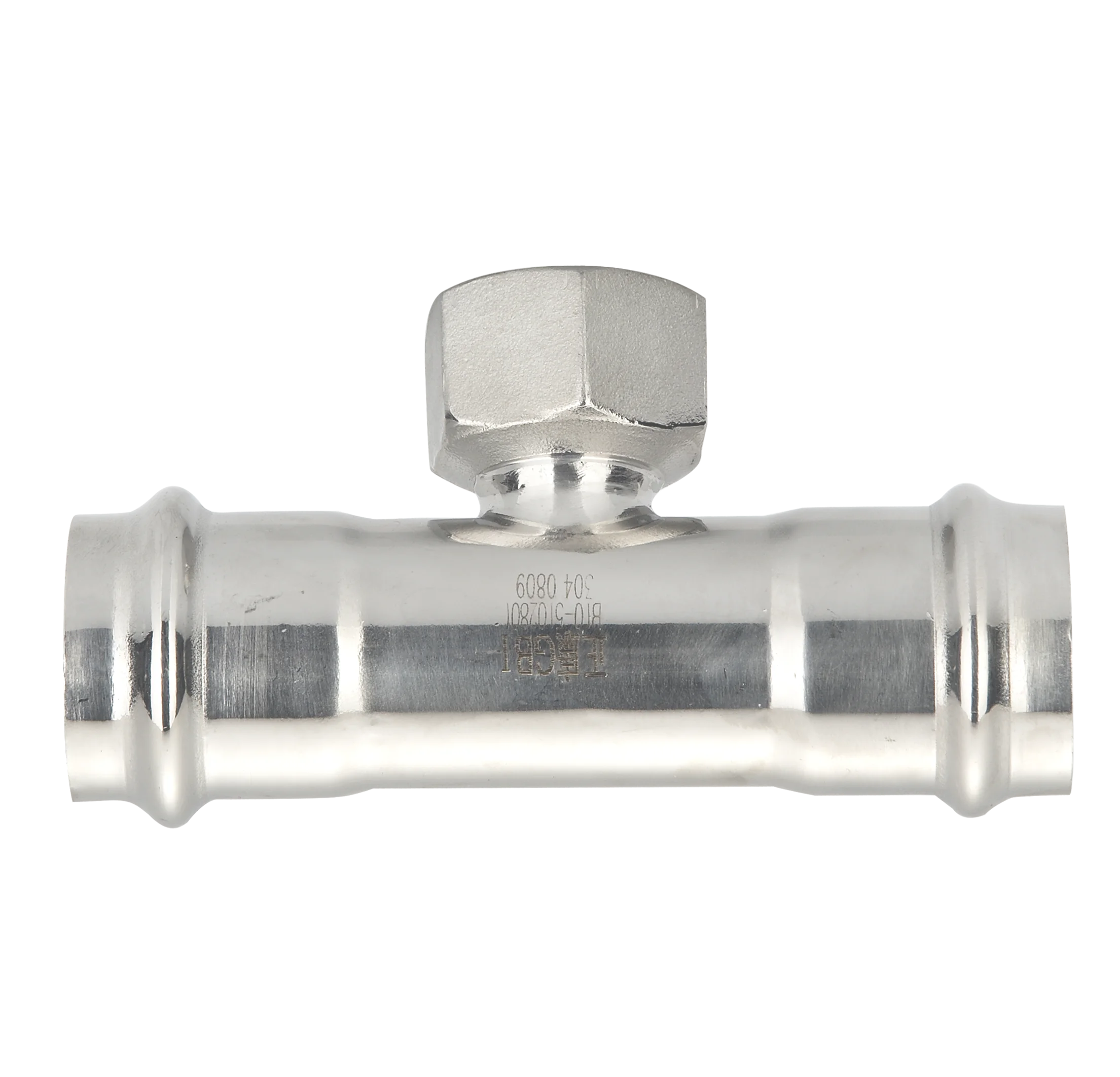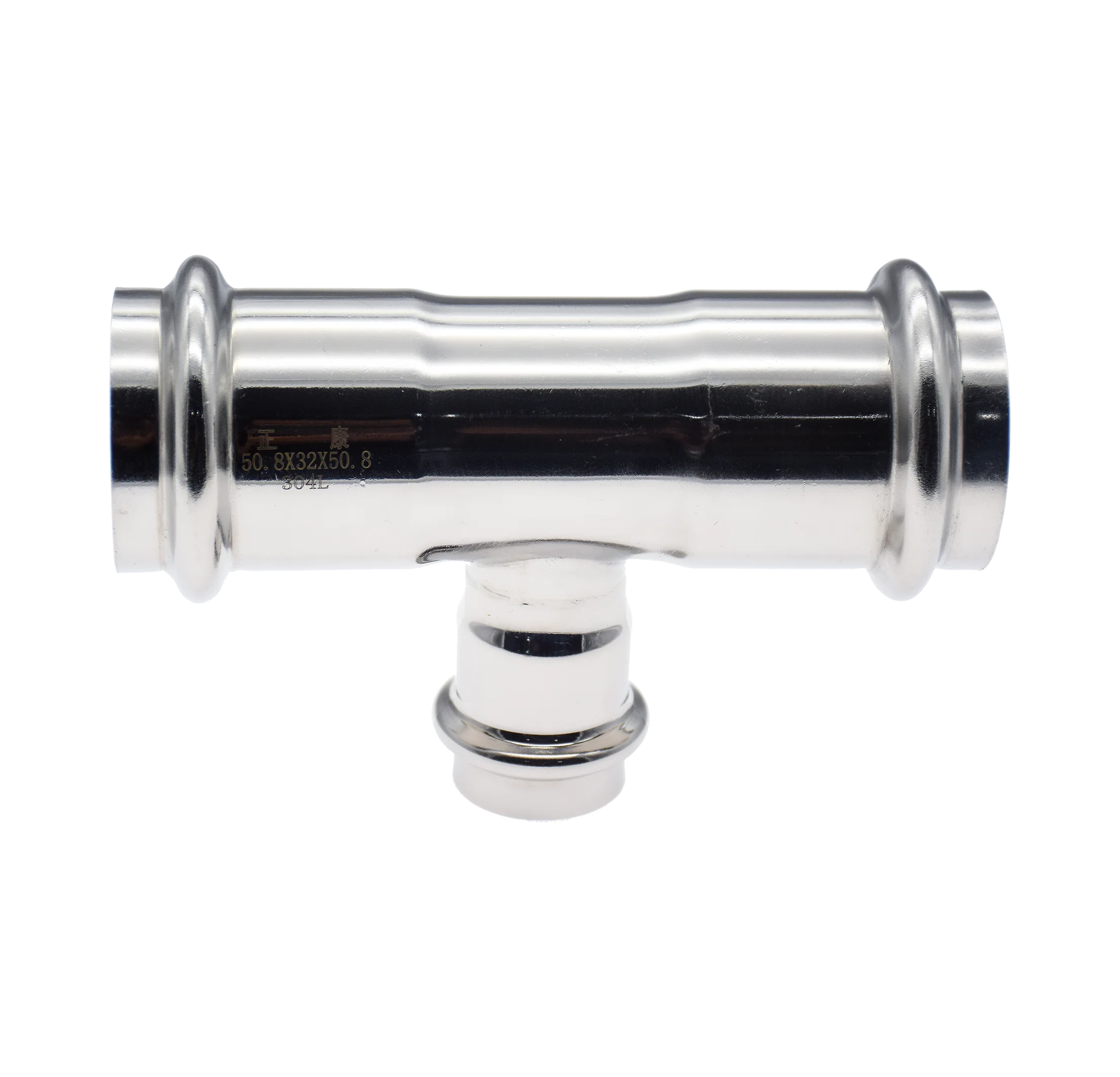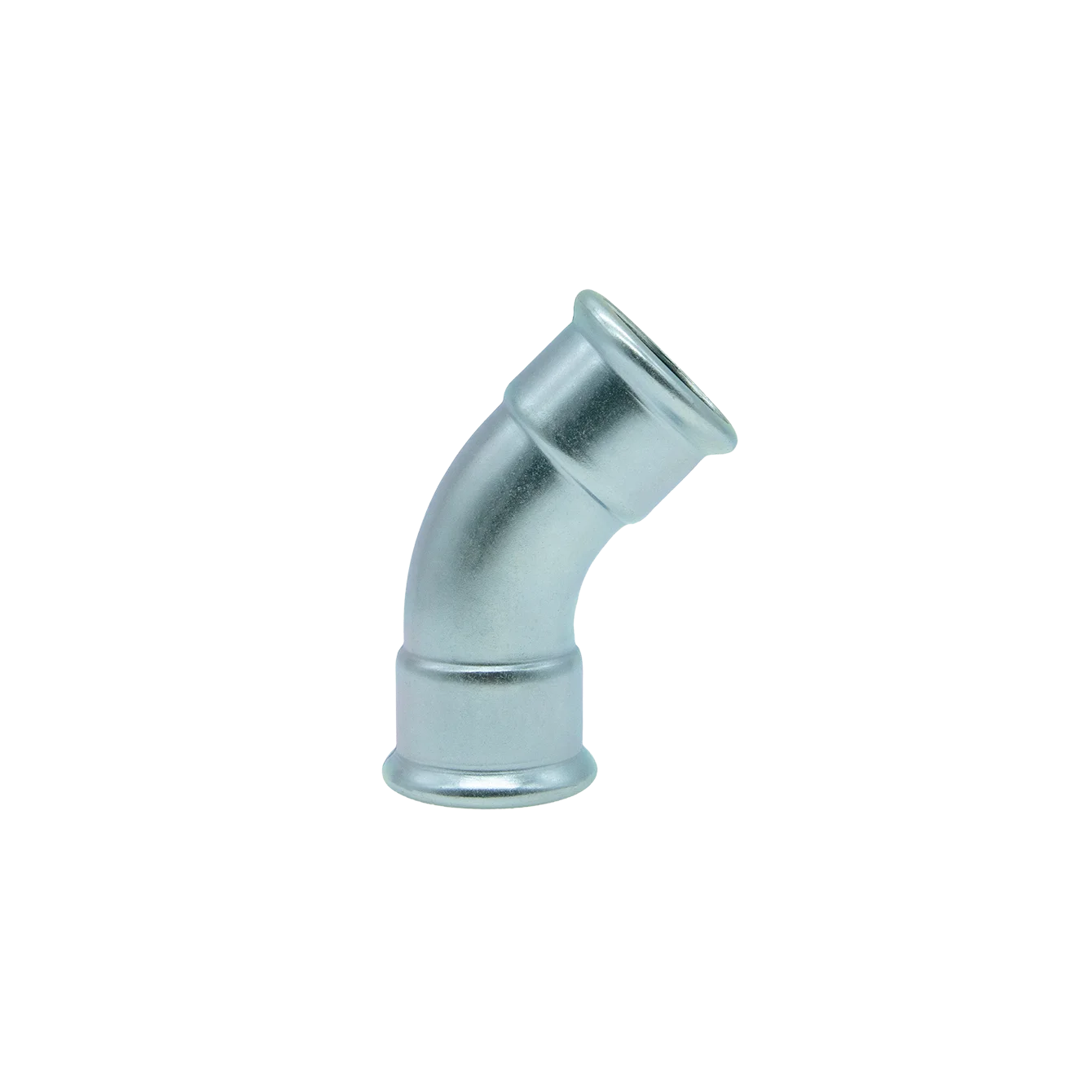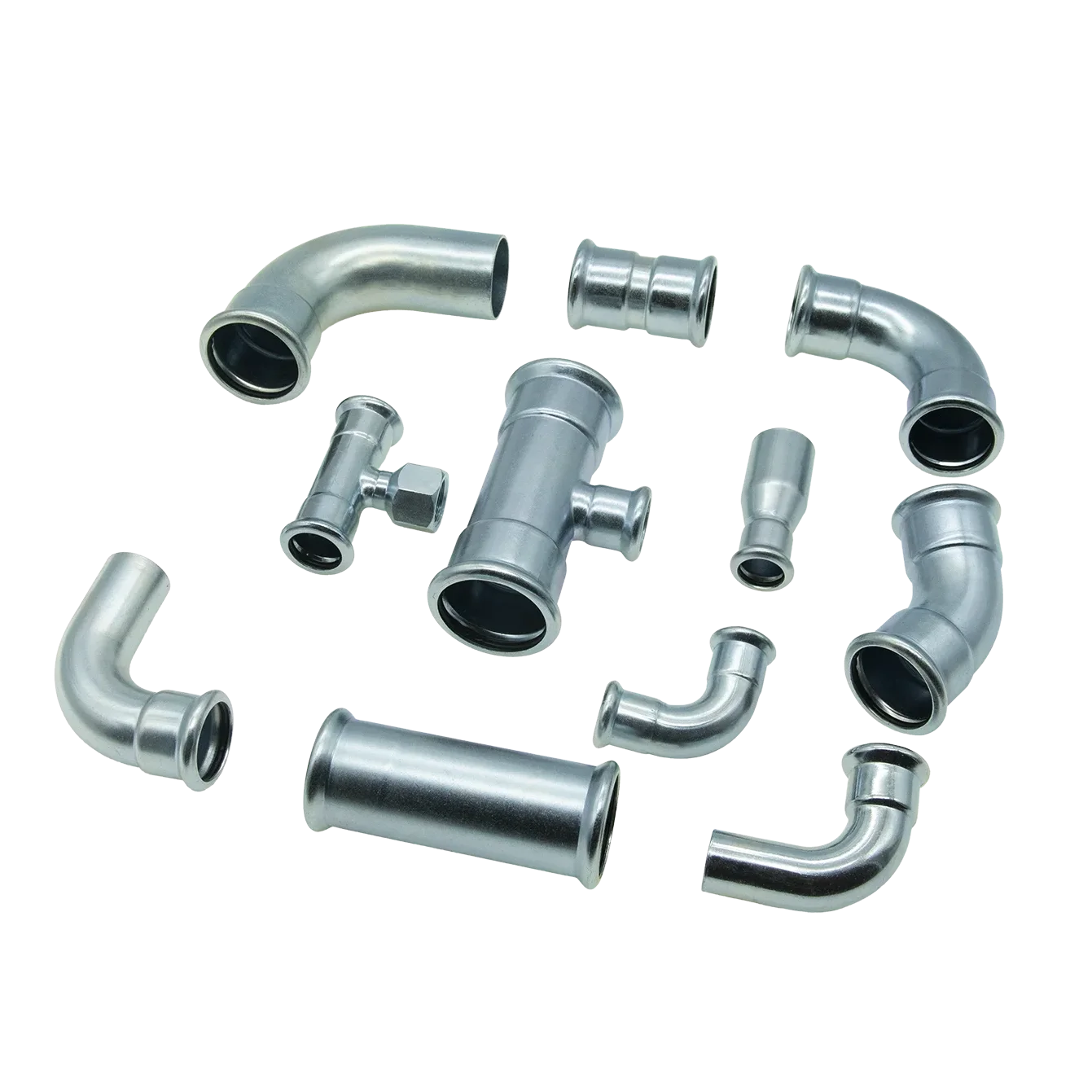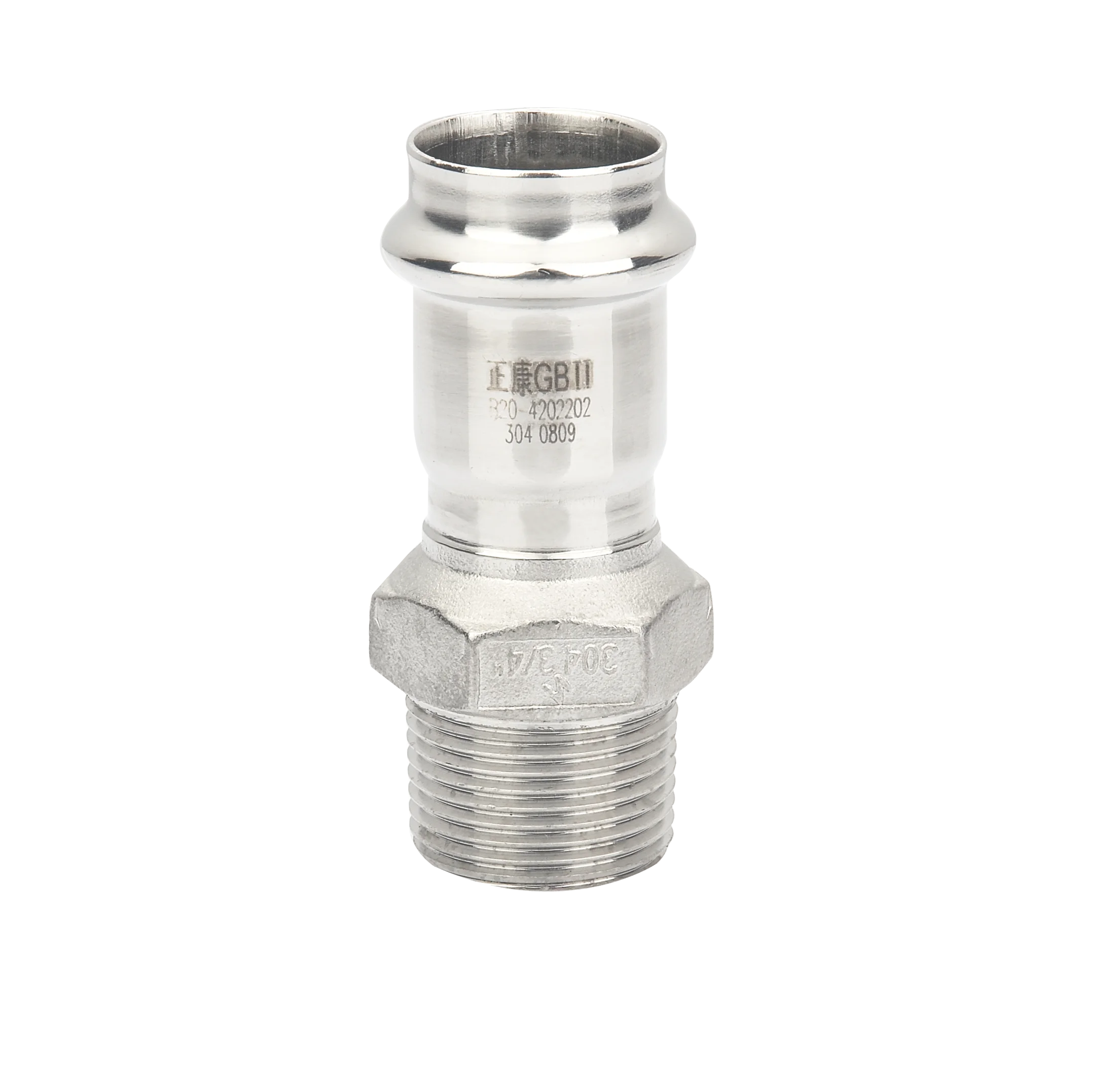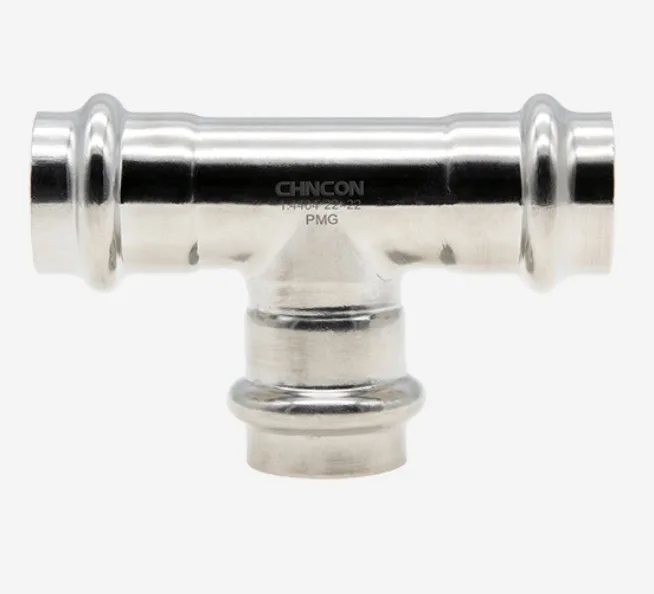
When considering 316 stainless steel (SS) pipe products, it's vital to understand their unique properties and how they meet the demands of various applications in industries like water supply, fire protection, and HVAC systems. These pipes are renowned for their corrosion resistance, strength, and durability, making them a preferred choice for critical installations. This article will delve into the quality standards, specifications, installation guidance, advantages, and common issues associated with 316 ss pipe fittings, providing essential knowledge for purchasing managers, engineers, and other B2B buyers.
Quality standards for 316 stainless steel pipes are crucial for ensuring longevity and reliability in applications. They are typically manufactured in accordance with several international standards, including ASTM A312 and ASME SA312. These standards specify requirements for the material properties, manufacturing processes, and testing protocols to guarantee performance under specific conditions.
Key quality indicators to consider include the chemical composition, which should contain a minimum of 16% chromium and 10% nickel, along with molybdenum, enhancing its resistance to pitting and corrosion, particularly in chloride environments. Buyers should also look for certification of compliance with these standards, as it verifies that the products meet necessary safety and performance criteria. Additionally, regular quality control processes, including non-destructive testing and dimensional inspections, are essential practices to ensure that each batch of stainless pipe is consistent and meets the specified standards.
When evaluating 316 SS pipes, several specifications are critical to ensuring they meet the intended application requirements. Key specifications include:
Dimensions and Schedules: The diameter and wall thickness of the pipes are defined by nominal pipe size (NPS) and schedule numbers (Schedule 40, Schedule 80). Buyers should confirm that these dimensions align with the installation requirements to ensure proper fit and functionality.
Mechanical Properties: It’s important to assess the tensile strength, yield strength, and elongation, which are indicators of how the material will perform under stress. For 316 SS, the minimum yield strength is typically around 30,000 psi, with tensile strength around 70,000 psi, which are vital for applications requiring high strength.
Surface Finish: The surface finish can influence the pipe's performance in certain environments. Common finishes include mill finish, pickled, or passivated. A passivated surface can provide enhanced corrosion resistance, making it suitable for harsh environments.
End Connections: Understanding the type of end connection needed be it threaded, welded, or flanged is essential for compatibility with existing systems.
Confirming these specifications before placing an order helps avoid costly installation delays and ensures the material will perform as required in its application.
Proper installation of 316 SS pipes is crucial for ensuring operational efficacy and longevity. Here are some key considerations:
Preparation: Before installation, inspect each pipe for any surface defects or damage. Ensure that the stainless pipe fitting are clean and free from contaminants, which could compromise the integrity of the joint or lead to corrosion.
Joining Methods: Depending on the application, 316 SS pipes can be joined through various methods, including welding, threading, or flanging. For welded connections, it is vital to use appropriate filler materials and techniques to maintain the corrosion resistance of the joint.
Support and Alignment: Ensure that pipes are adequately supported to prevent sagging or stress on joints, which can lead to failure. Use appropriate hangers and supports that can accommodate thermal expansion.
Testing: After installation, conduct pressure tests to ensure that there are no leaks and that the system can handle the intended pressure levels. Document these tests as part of quality assurance.
Taking these installation steps into account can significantly reduce the risk of future issues and enhance the overall performance of the pipe system.
Pros:
Corrosion Resistance: 316 SS pipes offer superior resistance to corrosion, particularly in environments exposed to chlorides, making them ideal for marine applications and chemical processing.
Durability and Strength: Their mechanical properties allow them to withstand high pressure and temperature, suitable for a wide range of industrial applications.
Versatility: 316 SS can be used in various applications, from water supply to food processing, due to its hygienic properties.
Cons:
Cost: The initial cost of 316 SS pipes is higher compared to carbon steel pipes, which may be a consideration for budget-sensitive projects.
Workability: While 316 SS is workable, it may require specialized equipment and techniques for cutting and welding, adding complexity to installation.
Understanding these pros and cons helps buyers make informed decisions based on their specific application needs and budget constraints.
Chncon is home to 60 production lines and a monthly production capacity of over 300 000 units This means that the time to deliver can be assured Chncon has expanded its business to over 500 cities in China and exports to over V press fitting which benefits nearly 20 millions families High-end quality effective production time and thoughtful service Chncon is an excellent choice in pipeline area.
CHNCON has earned the prestigious reputation in China, the quality and service is at a first-class level. CHNCON is accredited with ISO9001, OHSAS18001, En10312, DVGW, ICC-ES, WRAS, CSTB and WATERMARK certifications, etc. We are committed to delivering pipelines that are innovative and have important advantages, including being safe, energy-saving, and economical.
Chncon is a En10312 in stainless steel pipe systems for over 20 years. The plant is 23000 square meters. Chncon has 4 product series that include more than 10,000 pipe fittings which meet all customers requirements. Chncon is accredited for more than 30 different qualifications in the U.S. and abroad.
Chncon has a professional RD team that includes more than 10 engineers. We can not only provide standard pipe fittings, however we also offer custom services. During Inox press fitting time of RD for new products We will do our best to provide you with professional advice and suggestions so that your ideas can be well executed.
Buyers should be aware of common issues associated with 316 SS pipes to mitigate potential problems:
Corrosion in Extreme Environments: Although 316 SS is designed to resist corrosion, exposure to extremely aggressive environments can lead to localized corrosion, such as pitting. To address this, consider using higher alloy grades (such as 317L) or applying protective coatings.
Welding Challenges: Improper welding can lead to issues such as intergranular corrosion. Buyers should ensure that welding procedures are strictly followed and that the welding team is trained in working with stainless steel.
Stock Availability and Lead Times: Due to varying demand across industries, stock availability can be an issue. Buyers should communicate their needs clearly and consider placing orders well in advance or exploring custom solutions to reduce lead times.
Quality Control: Variability in quality can arise from different manufacturers. It is advisable to request documentation of quality control processes and certifications to ensure compliance with desired standards.
By being proactive about these common issues, buyers can enhance the reliability and effectiveness of their piping systems, ultimately leading to better operational outcomes.
In summary, understanding the specifications, quality standards, installation procedures, and potential challenges associated with 316 stainless steel pipes equips buyers with the knowledge needed to make informed purchasing decisions. By addressing these factors, purchasing managers and engineers can ensure that the products they select will meet their operational needs effectively.

Copyright © Zhejiang Zhengkang Industrial Co., Ltd. All Rights Reserved - Privacy Policy