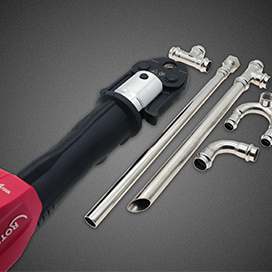
304 stainless steel round tube is a versatile and durable product widely used in various industrial applications. Known for its excellent corrosion resistance and mechanical properties, this material is essential for buyers in sectors such as manufacturing, construction, and HVAC systems. As a purchasing manager, understanding the specifications, quality control measures, and common applications of 304 stainless steel round tube will help you make informed decisions and ensure that you select the right product for your needs.
When evaluating 304 stainless steel round tubes, several key specifications must be taken into account:
Dimensions: The diameter and wall thickness of the tube are critical for determining its strength and suitability for specific applications. Common diameters range from a few millimeters to several inches, with wall thickness typically ranging from 0.5 mm to 10 mm. Always verify that the dimensions meet the requirements of your project.
Material Composition: 304 stainless steel is composed primarily of iron, chromium (18-20%), and nickel (8-10.5%), which contribute to its corrosion resistance and formability. Understanding the chemical composition can help in selecting the appropriate grade for environments with varying exposure to corrosive elements.
Mechanical Properties: Key mechanical properties include yield strength (typically around 215 MPa), tensile strength (around 505 MPa), and elongation (up to 50%). These properties indicate how the material performs under stress and are essential for determining the tube's suitability for load-bearing applications.
Surface Finish: The surface finish can affect both aesthetic appeal and corrosion resistance. Common finishes include mill finish, polished, and brushed. Each finish may impact the tube's performance in specific environments, so consult with your supplier about the best option for your application. Additionally, you might consider using Stainless Steel Pipes for various applications that require high durability.

When selecting a tube for your application, it’s important to compare 304 stainless steel round tube with other materials like carbon steel and aluminum:
Corrosion Resistance: Unlike carbon steel, which is prone to rusting, 304 stainless steel offers excellent corrosion resistance, making it suitable for applications exposed to moisture and chemicals.
Weight: Aluminum is lighter than both 304 stainless steel and carbon steel, which may be a consideration if weight is a critical factor in your design. However, aluminum may not provide the same strength and durability as 304 stainless steel in high-stress environments.
Cost: Generally, 304 stainless steel is more expensive than carbon steel but may offer long-term cost savings due to its durability and resistance to corrosion. Consider your total cost of ownership when evaluating material options.
Weldability: 304 stainless steel is known for its excellent weldability compared to other stainless steel grades. If your application involves welding, this property can be advantageous. You might also explore Carbon Steel Press Fittings for alternative options.
Understanding the differences between these materials will assist you in selecting the best option based on your specific application requirements.

Quality control is paramount in the production of 304 stainless steel round tubes to ensure that they meet industry standards and customer specifications. Key measures include:
Raw Material Inspection: Before production, raw materials are inspected for compliance with specified chemical compositions and mechanical properties. This step helps avoid issues later in manufacturing.
In-Process Quality Checks: Throughout the manufacturing process, regular inspections are conducted to monitor dimensions, surface quality, and mechanical properties. This ensures that any deviations are caught early, minimizing waste and rework.
Final Product Testing: Once the tubes are produced, they undergo various tests, including hydrostatic testing and non-destructive testing, to verify their structural integrity and performance under pressure.
Certification and Traceability: Many manufacturers provide certificates of compliance, detailing the tube's specifications and test results. This traceability is essential for industries that require strict adherence to safety and quality standards.
By implementing rigorous quality control measures, manufacturers can provide reliable products that meet the demands of various applications.
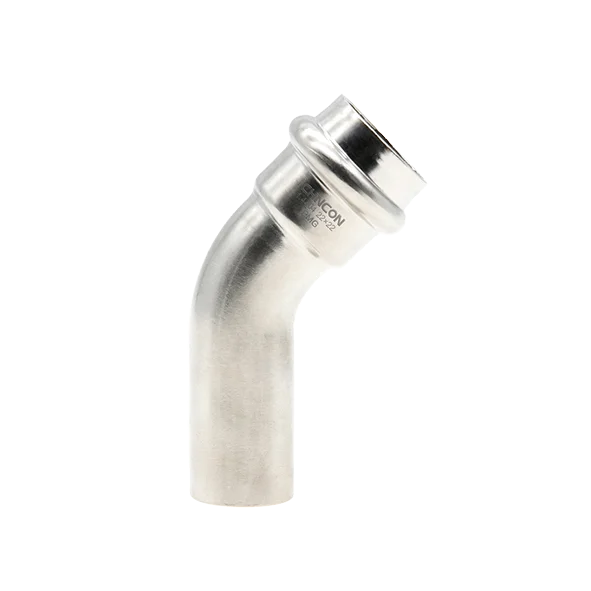
While 304 stainless steel round tubes are known for their durability, certain problems can arise during production or use. Understanding these issues and their solutions can enhance your purchasing decisions:
Corrosion in Aggressive Environments: In environments with high levels of chlorides, such as seawater, 304 stainless steel may experience pitting corrosion. To mitigate this, consider using 316 stainless steel, which offers better corrosion resistance due to its higher molybdenum content.
Weld Cracking: Improper welding techniques can lead to cracking. Always ensure that the welding process is performed by qualified personnel and that proper filler materials are used.
Dimensional Tolerances: Tubes may not meet specified tolerances, leading to issues during installation. It’s crucial to communicate your precise requirements to the manufacturer and to review samples before mass production.
Surface Defects: Scratches or blemishes on the surface can affect both the aesthetic and functional properties of the tube. Implementing strict quality control measures and handling procedures can help minimize these issues.
By being aware of these common problems, you can take proactive steps to avoid them and ensure the longevity and performance of your 304 stainless steel round tubes.
Chncon is a Stainless steel pipe that specializes in the stainless steel pipeline systems for more than 20 years. Their production area of 23000 square metres. Chncon has four product lines, including more than 10,000 fittings to satisfy the needs of all customers. Chncon has earned more 30 qualifications at home and overseas.
Chncon has a skilled En10312 with more than 10 engineers. We can not only provide conventional pipe fittings, but we also offer custom services. During new product's RD period We will do the best we can to offer our professional suggestions and advice to ensure that your ideas will be fully implemented.
Ss press fitting factory has 60 production lines that have an excellent production capacity of more than 300 000 pieces of fittings and pipes annually produced This means that the delivery date can be well guaranteed Chncon has spread its business to more than 500 Chinese cities and exports to over 50 countries which has benefited more than 20 million families Chncon is a top choice for pipelines is a top quality efficient production times and thoughtful service
CHNCON is well-known in China. Quality and service are both at the top of their game. Our company is accredited by ISO9001, V press fitting, ISO14001, DVGW, ICC-ES, WRAS, CSTB and WATERMARK certifications as well as other such. We committed to deliver new pipeline products with significant advantages of healthy, safe efficient and cost-effective to around the world.
304 stainless steel round tubes are utilized across multiple industries due to their unique properties. Here are some notable applications:
HVAC Systems: In heating, ventilation, and air conditioning systems, 304 stainless steel tubes are used for piping and ductwork due to their resistance to corrosion and ability to withstand varying temperatures and pressures.
Food and Beverage Industry: Their hygienic properties make 304 stainless steel round tubes ideal for use in food processing and beverage equipment, where sanitation is paramount. Compliance with industry standards ensures safety in food contact applications.
Construction: In the construction sector, these tubes serve structural and decorative purposes, providing strength and aesthetic appeal in buildings, bridges, and railings.
Medical Equipment: Due to their corrosion resistance and ease of sterilization, 304 stainless steel round tubes are often used in medical devices and equipment, contributing to patient safety and equipment reliability.
By understanding the diverse applications of 304 stainless steel round tubes, you can better assess how they fit into your specific projects and industries.
the selection of 304 stainless steel round tubes involves careful consideration of specifications, quality control measures, and applications. By leveraging this information, you can enhance your purchasing decisions and ensure that you choose the right product for your needs.

Copyright © Zhejiang Zhengkang Industrial Co., Ltd. All Rights Reserved - Privacy Policy